


![Florida Panthers Face Off Against [Team Name] on April 4, 2026](https://www.filmogaz.com/uploads/images/202604/image_430x256_69d2395a47e1f.webp)















Fat Tuesday brings beads, costumes and chaos to New Orleans parades

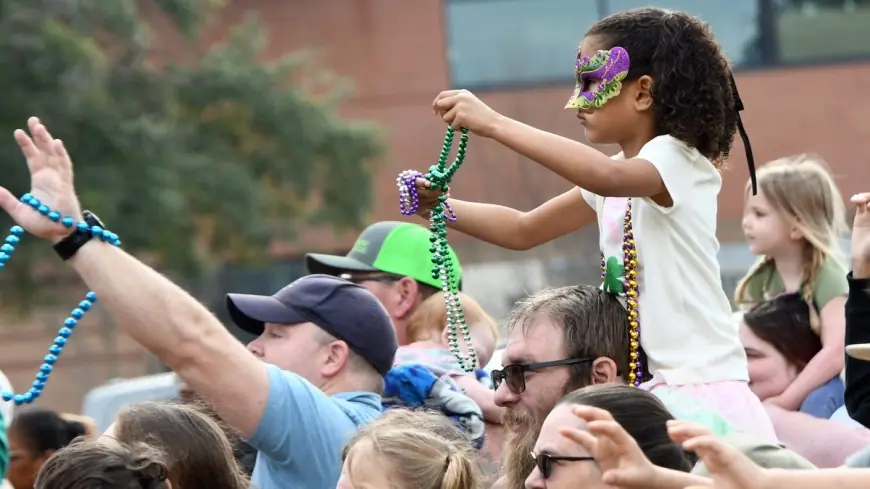
NEW ORLEANS — Crowds stretched along St. Charles Avenue and spilled into the French Quarter on Fat Tuesday, Feb. 17 (ET), as the city closed out Carnival season with music, massive floats and a parade of flamboyant costumes. Revelers began staking out spots at sunrise, ready for one last day of indulgence before Ash Wednesday.
Parade spectacle: throws, headdresses and homemade flair
From wrought iron balconies, people hollered the familiar call, "Throw me something, Mister, " as krewe floats rolled by loaded with the day’s signature throws — plastic beads, candy, doubloons, stuffed animals, cups and toys. A prized item for many was the hand-decorated coconut tossed from the Zulu float; when one was caught, the recipient waved it high while gold glitter on the husk flashed in the sun.
Marching bands and costumed marchers kept the energy high. Some parade-goers wore floor-length, beaded outfits and towering feathered headdresses, while others embraced DIY spirit with homemade costumes that channeled the Big Easy’s irreverent creativity. A small group donned traditional Black masking Indian regalia, their beaded and bejeweled suits topped with imposing feather headdresses that reflect a long local cultural history.
For many, the day-long celebration is as much about ritual as it is revelry. Longtime residents walked the French Quarter to admire outfits, trade greetings and collect keepsakes. Coolers, grills and folding chairs lined the route; some attendees chose festive adult beverages over morning coffee as live music filled the streets.
Statewide and regional traditions extend the celebration
The good times rolled beyond New Orleans. Across the state, private balls, neighborhood parades and rural customs marked the final day of Carnival. In central Louisiana, participants took part in the Courir de Mardi Gras — a rustic run where costumed revelers beg for ingredients, perform antics and chase live chickens for a communal gumbo, keeping an old Cajun tradition alive.
Parades and parties also animated other Gulf Coast cities and international Carnival hubs, underscoring how Fat Tuesday is observed both as a local spectacle and a global moment of pre-Lenten indulgence. In some places the festivities take distinctly local forms, such as pancake-flipping contests elsewhere that playfully mimic the ritual of consuming rich foods before Lent.
High-profile incident and the city’s enduring pull
The day’s exuberance included an unexpected turn when a well-known actor was taken into custody during the festivities, drawing additional attention to the celebration. The arrest underscored how Fat Tuesday can veer from jubilant to chaotic in moments, particularly when crowds are dense and tensions flare.
Despite occasional disruptions, Mardi Gras continues to draw people back year after year. Longtime revelers described the day as a necessary break from everyday life — a time to embrace spectacle and community before the penitential season of Lent begins the following day. "Once you have experienced Mardi Gras, how do you not come back?" one attendee said, capturing the magnetic pull that brings former residents and newcomers alike to the city each Carnival.
As the sun set and floats finished their runs, streets that had been thick with bodies and glitter settled into the slow work of cleanup. For many, the memories — the catches, the costumes and the music — will last until next year’s Fat Tuesday, when the cycle of excess and reflection begins anew.