


![Florida Panthers Face Off Against [Team Name] on April 4, 2026](https://www.filmogaz.com/uploads/images/202604/image_430x256_69d2395a47e1f.webp)




















uk passport rules dual citizenship: Lib Dems demand grace period as deadline sparks travel chaos

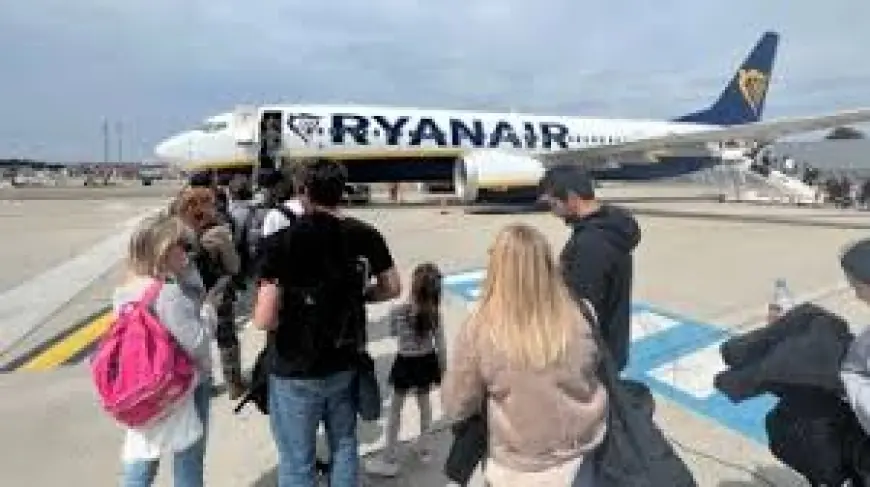
New entry rules coming into force on 25 February (ET) requiring British dual nationals to present either a valid UK passport or a certificate of entitlement have prompted urgent calls for a temporary grace period. Lawmakers and immigration lawyers warn that a lack of preparation and limited communication have left some people overseas facing possible denial of entry, expensive emergency arrangements and heartbreaking personal disruptions.
What changes on 25 February (ET)?
From 25 February (ET), British nationals who also hold another nationality will no longer be able to use their non-UK passport alone to board flights, ferries or trains to the UK unless that passport carries a digital certificate of entitlement. Instead, travellers must present a valid British passport or the new certificate, which is attached to their foreign passport. The move is part of a wider modernisation of border controls linked to the rollout of the Electronic Travel Authorisation (ETA) system.
Dual nationals cannot obtain an ETA and must satisfy the documentation requirement instead. A standard adult UK passport costs roughly £100, while the certificate of entitlement is substantially more expensive—around £589. The ETA fee being introduced for other visitors is low in comparison but is not an option for those with dual citizenship.
Real-world impact: stranded travellers and family emergencies
Critics say many dual nationals were unaware of the deadline until days before it arrives and that some who have never needed a British passport now find themselves racing to secure one. Several people currently abroad reported being forced to change travel plans: a newlywed couple on honeymoon is considering cutting their trip short rather than risk being unable to re-enter the country after 25 February (ET). One traveller in Canada moved his return to 23 February (ET) so he could visit a brother with a terminal brain tumour.
Another person cancelled plans to attend a father’s memorial because of the uncertainty. Business travellers who have routinely used their other nationality’s passport for decades say they could effectively be banned from returning home if they cannot obtain the required documentation in time. Such disruptions are compounded by backlog risks; both passports and certificates take weeks to process in typical circumstances, and fees can be substantial.
Political and legal pressure for short-term relief
The Liberal Democrat shadow immigration and asylum minister has urged ministers to introduce a short, clearly communicated grace period to prevent families being kept apart while the government fixes what critics call a poorly handled rollout. He described the situation as caused by a lack of planning and patchy communication, saying many dual nationals are now in “completely in the lurch. ”
Immigration lawyers expect practical discretion at border control in the immediate term to avoid chaos at major airports. One specialist noted that officials are unlikely to deliberately bring major transport hubs to a halt and may exercise pragmatism, but that provides little comfort to those currently overseas without a UK passport or certificate.
Carrier liability is also a complicating factor: airlines face fines if they allow passengers to board who are later deemed inadmissible, so many operators are obliged to check the new documentation at departure. That obligation creates pressure on travellers to arrive at the gate with the correct paperwork or risk paperwork-related denial of boarding rather than denial at the UK border.
Calls for a low-cost, simplified alternative to the expensive certificate option have been made, alongside demands for clearer, earlier communication and temporary tolerance measures for people in urgent humanitarian circumstances. With the deadline imminent, ministers face a choice between holding to the new regime or introducing short-term measures to protect vulnerable travellers while the system beds in.