


![Florida Panthers Face Off Against [Team Name] on April 4, 2026](https://www.filmogaz.com/uploads/images/202604/image_430x256_69d2395a47e1f.webp)














Inside the real life of carolyn bessette kennedy — what the new series gets right and what it invents

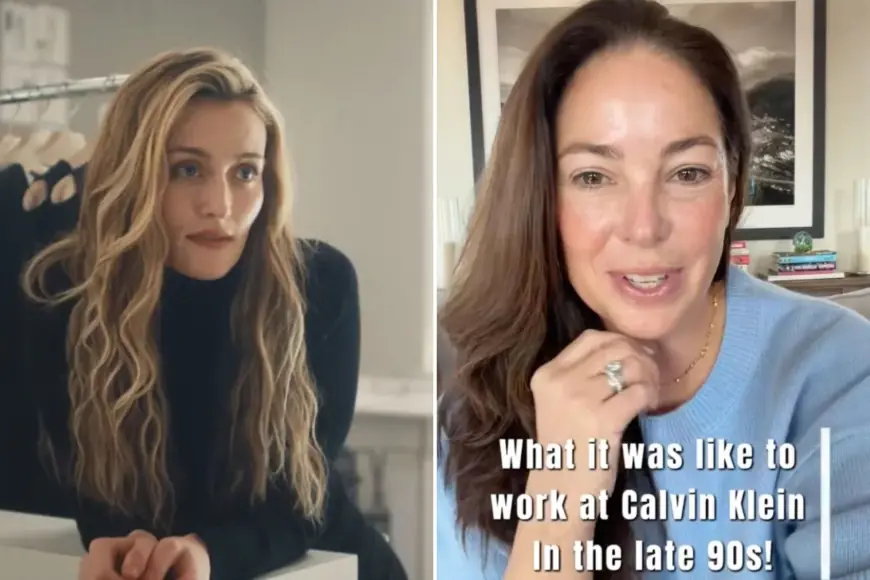
The drama about John F. Kennedy Jr. and carolyn bessette kennedy has dominated conversation since it premiered on Feb. 12 (ET). While the series captures the magnetic style and mystique surrounding Bessette, former Calvin Klein employees and biographical accounts paint a more controlled, sometimes harsher, picture of her professional life and the way she met Kennedy.
Calvin Klein in the ’90s: polished, punishing and rigid
The show leans into the minimalist glamour that defined the era — the flat irons, cropped hair, and quietly immaculate office displays — and that part resonates with people who worked at the fashion house. But those who were there say the day-to-day environment was far more regimented than television suggests. One former sales associate from the 1990s says personal touches were discouraged: employees could not keep family photos on their desks and were expected to remove all items at the end of the day. Floral arrangements in the workplace, for example, had to follow specific tastes; white calla lilies were favored over bright bouquets.
There were strict rules about interaction with the designer. Staffers learned quickly that unless they were spoken to, they should not initiate conversation with him. Eating openly at desks was frowned upon — employees described furtive Slim-Fast cans and hurriedly cleared Tupperware when senior figures entered the showroom. Workspace realities could be cramped: one former associate remembers being assigned to a tiny room that doubled as a model changing area, sometimes while fittings were happening mere feet away.
At the same time, the emphasis on precision was real. Employees recall painstakingly measuring spacing on displays and maintaining a flawless presentation, even if that meant policing the smallest details of how shoes or garments were positioned.
The on-screen meeting and the real-life story
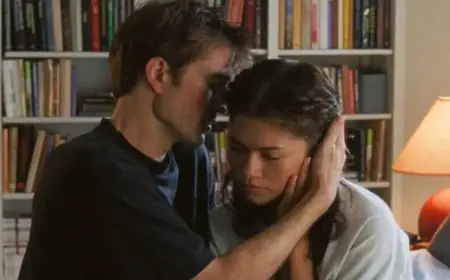
The series condenses and dramatizes events to sharpen narrative momentum, and the couple’s first encounters are treated as cinematic moments. Real-life accounts and a recent biography, however, offer a more prosaic origin: Bessette and John F. Kennedy Jr. met during a VIP fitting in the brand’s private rooms in the early 1990s. Though the designer played a role in introducing them by having Bessette handle the fitting, the relationship moved quickly on its own terms — some recollections note that Bessette gave Kennedy her phone number after their first meeting rather than waiting to be tracked down.
That nuance shifts the emphasis from destiny to the everyday work that put them in the same orbit: Bessette had worked her way up from sales positions to dressing high-profile clients, and later to production and publicity roles. She left the company a few months before marrying Kennedy in 1996 and ultimately stepped away from public fashion life as she and Kennedy retreated into a more private existence.
Style beats and cultural echoes
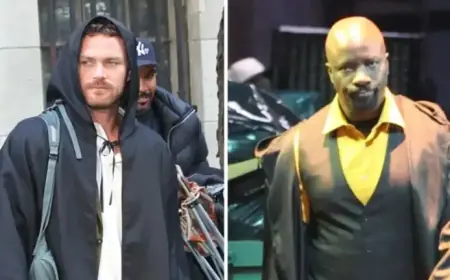
The series has prompted fans to recreate Bessette’s look and to flock to locations that evoke the period. The show’s portrayal of her aesthetic — the chestnut-blonde hair, minimal makeup, thin brows and pared-down wardrobe — captures why her style remains influential. The actress portraying Bessette adjusted hair and wardrobe after early reactions to on-location photos, refining the image to match how many remember the real woman: quietly authoritative, curated and endlessly emulated.
While dramatizations will always abridge and reshape real lives for storytelling, the current spotlight has renewed interest in Bessette’s trajectory: a young woman who held a coveted job in fashion, navigated rigid workplace cultures, and became an icon as much for the restraint of her look as for the mystery that followed her marriage. New interviews and archival work remind viewers that the public figure was built on small, exacting professional rituals as much as on romance and reputation.
As the series continues to reach audiences, those who lived the era are filling in the blanks — not to demystify Bessette entirely, but to show the grind and the rules behind one of modern fashion’s most enduring silhouettes.