




















How jesse jackson’s ‘Hymietown’ Moment and a Life in Sports Shaped a Complicated Legacy

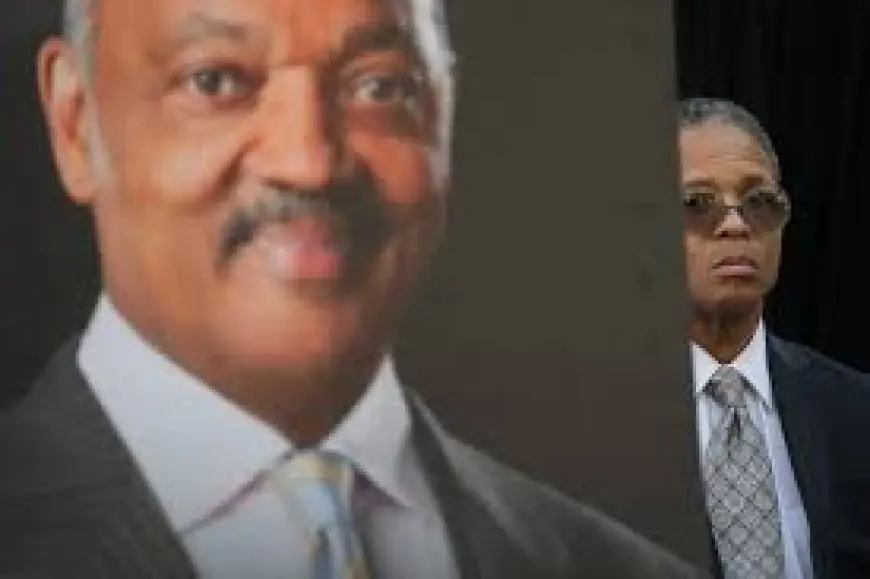
The Rev. jesse jackson died on Tuesday, Feb. 17, 2026 (ET), leaving behind a public life that fused civil rights organizing, competitive politics and a deep affinity for sports. His career advanced causes for Black Americans and working-class voters, even as a single notorious remark in 1984 helped fracture a long-standing political alliance and shadow his national ambitions.
The 'Hymietown' moment and the fraying alliance
Jackson’s 1984 presidential bid was notable for its grassroots strength and a multiracial coalition he dubbed the Rainbow Coalition. But in the run-up to the New Hampshire primary, a private remark about New York that used an ethnic slur surfaced and quickly derailed momentum. He initially denied the remark, then traveled to Manchester, New Hampshire, to apologize at a synagogue and plead for inclusion in his movement. The apology did not repair the immediate damage: the campaign faltered, and many Jewish voters and leaders remained unmoved.
That incident crystallized broader tensions that had been building between Black and Jewish communities since the civil rights era. Shared struggles in the 1960s had produced powerful political cooperation, but the politics of the 1970s and early 1980s — disputes over urban policy, education and international issues — introduced strains. The 1984 controversy occurred at a moment when both communities were reassessing priorities and political identities, and the fallout reshaped Democratic politics for years.
Sports, activism and a public persona
Before politics and national organizing, Jackson was an athlete. He accepted a football scholarship out of high school and later played quarterback at a historically Black college, where he helped win a conference title. Sports remained a throughline in his life: he was a frequent presence at professional basketball games, cultivated ties with players, and used sporting arenas as platforms for outreach and visibility.
That athletic background informed his public style. Jackson’s organizing combined competitive instincts with a flair for performance — energetic speeches, marches and symbolic appearances that kept him visible across decades. Sports also gave him access to cultural figures and wide audiences, helping translate civil rights messages into popular settings at arenas and televised events.
A contested legacy and the road ahead
Jackson’s death renews debate about how to reconcile his achievements with the controversies that shadowed him. He expanded political participation among working-class and minority voters, forcing national parties to contend with issues of economic justice, racial equality and political representation. Yet the 1984 episode remains a cautionary example of how a single misstep can have outsized political consequences, particularly when it intersects with long-running communal sensitivities.
Beyond that rupture, Jackson’s life underscores the complicated nature of political alliances. Movements and coalitions are resilient but fragile; they depend on sustained trust, mutual recognition and careful political stewardship. Jackson’s efforts built tangible gains for many, even as fractures that emerged in the 1980s continued to influence electoral calculations and community relations for decades.
As the nation reflects on his passing at 84, debates over his record will likely continue. His combination of activism, electoral ambition and cultural reach made him one of the most recognizable and consequential Black leaders of his era — a figure whose successes and missteps both shaped modern American politics.