






















ramadan mubarak: Start dates, fasting hours and campus guidance for 2026

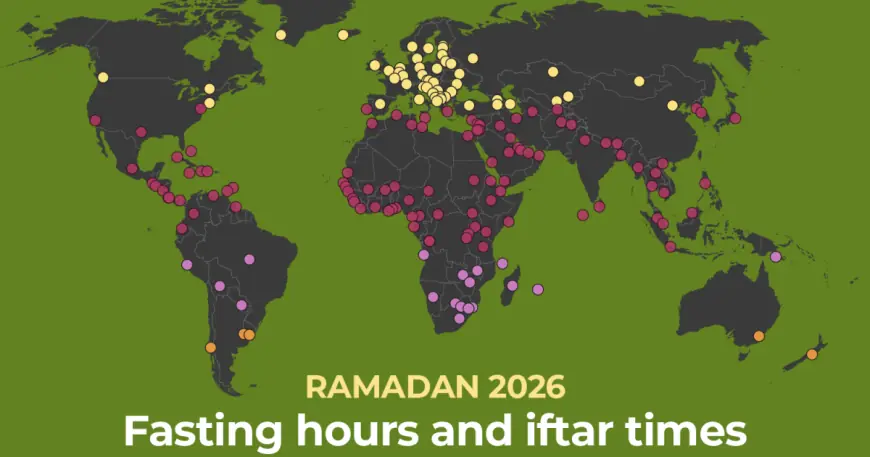
Muslims preparing for the 2026 holy month are sharing messages of support and practical guidance as communities anticipate the first days of fasting. The observance is expected to begin with the evening of either Tuesday, February 17, 2026 (ET) or Wednesday, February 18, 2026 (ET), depending on local moon sightings. This briefing explains the timing, what fasting will look like around the world and how campuses are preparing to support students and staff.
When Ramadan begins in 2026
The start of Ramadan is set by the sighting of the new crescent moon, so precise local dates can differ. Following a crescent sighting, some countries have designated Wednesday, February 18, 2026 (ET) as the first day of fasting. Others may mark the month from the evening of Tuesday, February 17, 2026 (ET) if the moon is seen earlier in their locality. Ramadan lasts either 29 or 30 days, depending on the next moon cycle.
The Islamic lunar calendar moves forward roughly 10 to 12 days each year against the solar calendar, so the month’s placement shifts seasonally. That shift affects fasting hours and the daily rhythm for those observing the fast.
Fasting hours and what to expect worldwide
Daylight fasting — from pre-dawn (suhoor) until sunset (iftar) — will vary significantly by location. The global range for dawn-to-dusk fasting this year stretches roughly from 11. 5 to 15. 5 hours, with most places experiencing a period of about 12 to 15 hours on a typical day.
For many living in the Northern Hemisphere, fasting hours will be shorter this year than in recent years, with initial daytime fasts around 12 to 13 hours on the first day and changing slightly as the month progresses. Southern-hemisphere communities may face longer fasts; in some countries such as Chile, New Zealand and South Africa, first-day durations are expected closer to 14 to 15 hours.
Observers abstain from eating, drinking, smoking and sexual relations during daylight hours as part of a spiritual practice designed to increase mindfulness, compassion and faith. The month is also marked by daily prayers, Quranic reflection and community meals after sunset.
Campus and community guidance for staff and students
Educational institutions and workplaces are preparing adjustments to support those observing the fast. Announcements emphasize understanding for students and staff who will balance academic or professional responsibilities with altered sleep and meal schedules. Practical measures include allowing brief prayer breaks, flexibility around attendance or deadlines where feasible, and designated quiet or prayer spaces on campus.
One campus statement offered a warm greeting to those observing: "Welcome to the Blessed Month of Ramadan! I extend my warmest greetings and heartfelt well wishes to all colleagues and students observing this sacred time. Ramadan Mubarak to you and your loved ones. " The message urged kindness and patience across communities, noting that small accommodations can make a meaningful difference to fasting colleagues and students.
Lecturer Fatima Malik described the month as a kind of extended "spiritual retreat" that unfolds between campus, home and local places of worship. Her reflections underline that Ramadan is as much about communal care and charity as it is about personal discipline.
As communities prepare, common greetings such as "Ramadan Mubarak" (meaning "blessed Ramadan") and "Ramadan Kareem" (meaning "generous Ramadan") will be exchanged widely. Officials and community leaders are encouraging respectful adjustments and open communication so that the month’s spiritual and social goals can be honoured alongside institutional responsibilities.
For those observing, planning meals around suhoor and iftar, staying hydrated during permitted hours, and discussing temporary adjustments with supervisors or lecturers can help manage energy and commitments during the month. For colleagues and classmates not observing, showing patience and offering flexibility are highlighted as practical ways to show solidarity.