



![Florida Panthers Face Off Against [Team Name] on April 4, 2026](https://www.filmogaz.com/uploads/images/202604/image_430x256_69d2395a47e1f.webp)


















Aftershock at the MLBPA: tony clark exit ignites leadership scramble

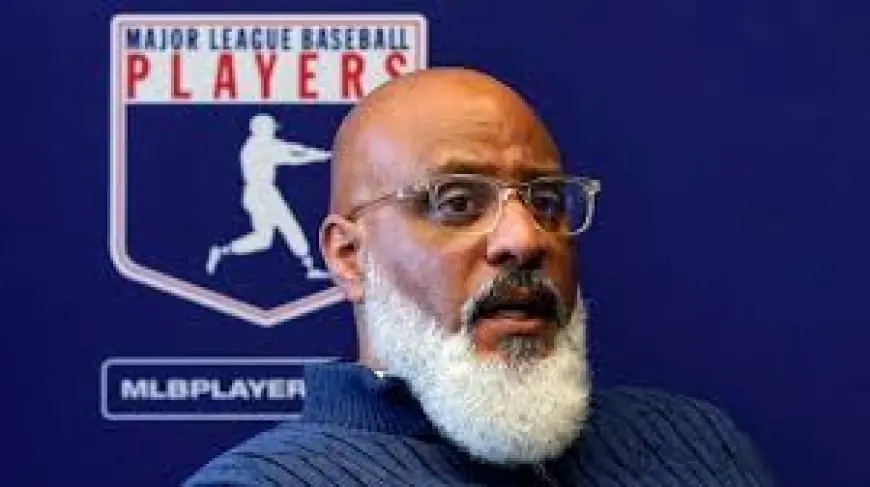
News that Tony Clark resigned as executive director of the Major League Baseball Players Association on Tuesday morning ET has triggered an immediate and intense battle over who should steer the union through the next bargaining cycle. With the collective bargaining agreement not expiring until Dec. 1, player representatives are weighing whether to install an interim chief quickly or conduct a deeper search for a successor.
Front-runners and factional maneuvering
Deputy executive director Bruce Meyer is widely viewed within union circles as a leading candidate for the interim post, but that support is not uniform. The players’ executive board convened a conference call with representatives from all 30 clubs and stopped short of endorsing Meyer outright, a sign of the divisions emerging around the next leadership step.
Some players and agents express concern that Meyer’s potential elevation would be accelerated by powerful influences inside the game. Those critics point to Meyer’s combative negotiating style: admired by allies for his tenacity and legal heft, and criticized by others for what they call limited consensus-building skills. That mix of respect and skepticism has made his path to the top anything but certain.
Other names under active consideration include general counsel Matt Nussbaum, former long-tenured union boss Don Fehr, and former players with union experience such as Daniel Murphy and Andrew Miller. Each prospect brings a different mix of legal expertise, institutional memory and player relations experience, and the balance of those qualities is animating discussions among player reps and executives.
Power plays, personalities and the short-term calculus
Beyond individual resumes, the debate hinges on process. Some members argue the union has time to undertake a methodical search given the current expiration date for the collective bargaining agreement, and they want to avoid a swift confirmation that could deepen internal fractures. Others worry that prolonged uncertainty could undermine bargaining preparation and day-to-day operations.
Several teams called quick meetings after the resignation became public, signaling the urgency felt across the game. Members of the union’s eight-player executive subcommittee include high-profile pitchers and infielders whose votes could prove decisive. The involvement of influential player agents and clients complicates the dynamic, with public statements and private lobbying shaping the contest.
One prominent agent has voiced explicit support for Meyer and emphasized continuity in bargaining posture and legal readiness. Supporters frame Meyer as the candidate who can hit the ground running, keep preparations steady and preserve the union’s leverage in future talks. Opponents counter that long-term unity and trust may be more important than short-term continuity.
Why the vacancy opened and what comes next
The sudden leadership void followed an internal inquiry that found an inappropriate relationship between Clark and a union employee who had joined the staff last year. Word of Clark’s resignation emerged Tuesday morning ET and was confirmed later that evening by the union. The disclosure has intensified scrutiny of governance practices and personnel oversight at the players’ association.
Union leaders now must balance immediate operational needs with a political calculation: naming an interim leader to steady the ship, or pausing for a broader search that could produce a longer-term solution. Expect more conference calls, closed-door meetings and votes in the coming days as player representatives weigh competing priorities: legal firepower, internal cohesion and credibility with the membership.
Whatever path the union chooses, the decision will shape how players approach the next round of bargaining and how they are represented in high-stakes negotiations. The next director, interim or permanent, will inherit both a full docket of labor work and the task of restoring confidence among a membership unsettled by the abrupt departure of its recent leader.