
























From foreheads to crowns: How Ash Wednesday and lent look different worldwide

Catholics around the globe begin the Lenten season marked by ashes, but the visible form that mark takes can vary dramatically by region. In some countries the minister traces a stark black cross on a worshipper’s forehead; in others, ashes are quietly sprinkled on the crown of the head. Both practices are long-established and carry distinct symbolic weight for the faithful.
Two approved gestures, one penitential purpose
Both receiving a cross on the forehead and having ashes sprinkled on the crown are approved ways to observe Ash Wednesday. The ashes themselves are produced by burning the previous year’s Palm Sunday fronds and are imposed with one of two short injunctions: “Remember that you are dust, and to dust you shall return, ” or “Repent, and believe in the Gospel. ”
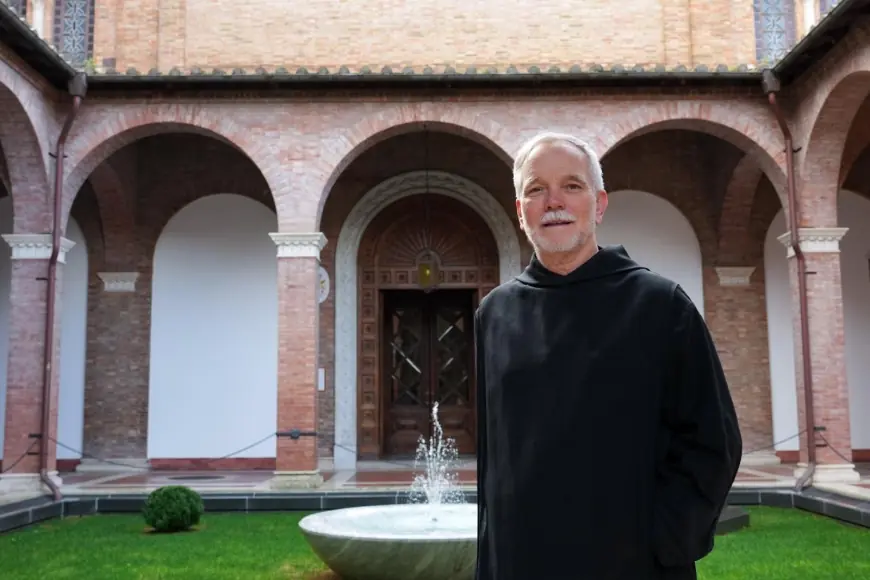
Some clergy and liturgists prefer the crown sprinkle because it aligns with the season’s emphasis on interior devotion. "Because it’s invisible, the person that’s receiving it is under this cloud, literally, under this cloud of ashes, and so it’s really a gesture of humility, " said Benedictine Father Eusebius Martis on Feb. 11 (ET). He noted that prayer, fasting and almsgiving are meant to be practiced quietly and sincerely, not for public recognition.
The forehead cross, by contrast, carries sacramental resonance. It echoes the sign made at baptism and other moments in a Catholic’s sacramental life, a visible reminder of belonging and of bearing the sign of Christ. "The cross on the forehead is a sign of belonging, " Father Martis said, pointing to the communal and public aspect of that gesture.
Customs shaped by history and local rites
Regional liturgical and cultural histories have shaped which practice predominates. In many parts of Italy the crown-sprinkle is the norm; popes who follow that national custom have historically sprinkled ashes atop the heads of worshippers. By the 11th century there were already distinctions in how ashes were administered. One historical explanation holds that men generally received ashes on the head while women had them placed on the forehead because of the head coverings women traditionally wore, ensuring the ashes still touched the body.
Local liturgical families can also affect observance. In some areas that follow the Ambrosian rite, which has roots in Milan, Ash Wednesday itself is not celebrated; instead, the penitential season begins the following Sunday, a practice tracing back to early local tradition.
These variations serve as reminders that ritual form can differ while doctrinal meaning remains intact. Worship practices evolve over centuries, shaped by custom, climate, dress, and local theology, yet they converge on the same Lenten call to conversion.
How a small mark became big conversation
In recent years, the visual variety of ash marks has taken on a life in popular culture, spawning lighthearted infographics and social media chatter about the different shapes and styles people display after Mass. That levity coexist with seriousness: while some share jokes about the shape of their ash, millions still treat Ash Wednesday as a solemn opening to forty days of reflection and penance.
Clergy insist the outward sign—whether visible or hidden—should point worshippers inward. "It’s an expression of humility, " Father Martis said, urging the faithful to let the gesture prompt deeper prayer, fasting and charity. In practice, those inward commitments will look different from person to person, but the season’s spiritual aim remains consistent: to prepare hearts for the celebration of Easter.