
























ramadan 2026: start date, fasting hours and campus guidance

Ramadan is expected to begin on the evening of Tuesday, February 17, 2026 (ET), or Wednesday, February 18, 2026 (ET), depending on local moon sightings. Communities and institutions are preparing for a month of dawn-to-dusk fasting, prayer and reflection, with fasting durations varying widely by location.
When Ramadan begins and how long the fasts will be
Muslims observe Ramadan for 29 or 30 days, beginning with the sighting of the crescent moon. A moon-sighting committee in Saudi Arabia has designated Wednesday, February 18, 2026 (ET) as the first day of fasting following its observation. In many other countries the start may be confirmed on the evening of Tuesday, February 17 (ET) if the new crescent is sighted locally.
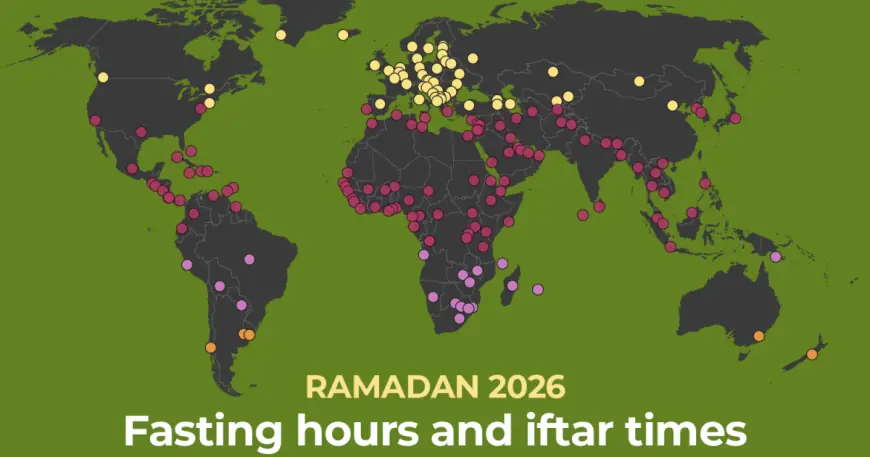
Daytime fasting this year will range roughly from 11. 5 to 15. 5 hours depending on geography. For much of the Northern Hemisphere, where it is winter, the fasts will be on the shorter side — typically around 12 to 13 hours at the beginning of the month, with small variations through Ramadan. In southern locations the daily fast can extend toward the longer end of the scale, often around 14 to 15 hours on the first day, though those hours will also shift as the month progresses.
Common greetings exchanged during the month include "Ramadan Mubarak" and "Ramadan Kareem, " wishes for a blessed and generous month shared among family, friends and colleagues.
Practical impacts for students and staff
Across campuses and workplaces, many observers will fast while continuing academic and professional responsibilities. That can mean altered energy levels, different daily rhythms and the need for practical adjustments such as scheduled prayer breaks, flexible meeting times and awareness of iftar (sunset breaking of the fast) and suhoor (pre-dawn meal) moments.
Institutions are encouraging managers, instructors and peers to be considerate of colleagues and students observing the month. Small accommodations — shifting assessments where reasonable, allowing short pauses for prayer, enabling remote participation when fatigue is a concern — can make a meaningful difference. Messages circulated internally emphasize respect and support, noting that the month is a time for spiritual renewal, charity and increased mindfulness.
Members of the community who observe Ramadan describe it as a sustained period of reflection and discipline, likening it to a month-long spiritual retreat that must be balanced with daily obligations. Many combine time on campus with visits to local places of worship and quiet spaces for prayer and contemplation.
Timing and wellbeing tips for observers
Observers planning their days should take into account local suhoor and iftar times and consider light, balanced meals at pre-dawn and sunset to sustain energy. Hydration during non-fasting hours is important, and those with health concerns are advised to consult medical guidance about fasting safely. Communities often organize communal iftars where people break the fast together, offering both practical sustenance and social support.
For those supporting fasting colleagues and students, simple gestures such as scheduling meetings away from sunset, being flexible with deadlines where possible, and offering quiet rooms for prayer or rest signal respect and inclusivity. Many organizations are preparing guidance and practical adjustments to help the community observe the month with dignity and minimal disruption to learning and work.
Ramadan 2026 will once again be a reminder of the lunar rhythm that defines the Islamic calendar: the month moves earlier by roughly 10 to 12 days each solar year, shifting the length of daylight fasting over time and across hemispheres. For now, communities are focused on preparing schedules, welfare measures and shared moments of reflection for the weeks ahead.