



![Florida Panthers Face Off Against [Team Name] on April 4, 2026](https://www.filmogaz.com/uploads/images/202604/image_430x256_69d2395a47e1f.webp)




















ramadan mubarak — Fasting hours, community guidance and start dates for Ramadan 2026

Ramadan, the annual month of fasting, prayer and reflection for Muslims worldwide, is expected to begin on the evening of Tuesday, February 17, 2026 or Wednesday, February 18, 2026 (ET), depending on local moon sightings. Communities and campuses are preparing for adjustments to schedules, shared greetings and practical support for those observing the fast.
Fasting hours, dates and what changes this year
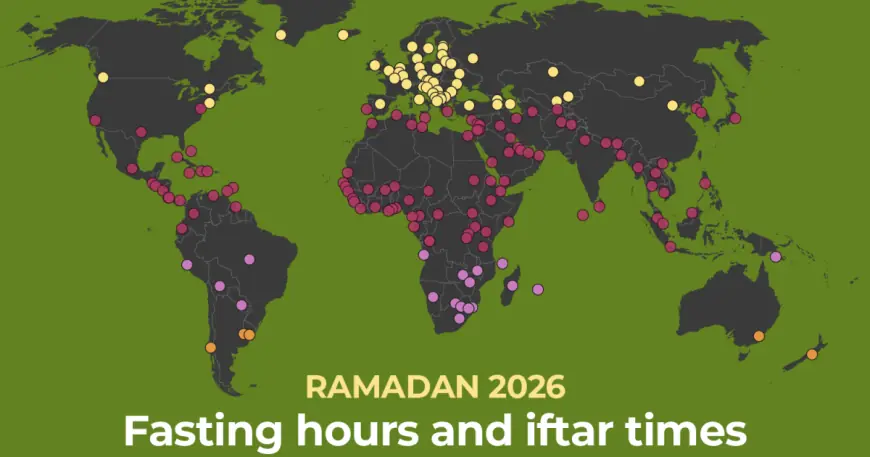
The dawn-to-dusk fast lasts anywhere from roughly 11. 5 to 15. 5 hours depending on location. For much of the Northern Hemisphere this year, initial fasting periods will be relatively short — about 12 to 13 hours on the first day — with durations changing day by day as the lunar month progresses. In parts of the Southern Hemisphere, including countries located farther south, fasts are set to be longer on the first day, typically around 14 to 15 hours.
Ramadan follows the lunar calendar and will run for 29 or 30 days. The start date depends on the sighting of the crescent moon: following a local crescent sighting, Saudi authorities have designated Wednesday, February 18, 2026 (ET) as the kingdom’s first day of fasting. Observers elsewhere may begin on the evening of Tuesday, February 17, 2026 if the moon is seen locally. The lunar calendar shifts the month earlier by roughly 10 to 12 days each year, meaning Ramadan will fall at different seasons over time and in 2030 will be observed twice in the same solar year.
Campus life, workplaces and practical support
Colleagues and students observing the fast may face extra demands balancing academic or professional responsibilities with fasting, prayer and nightly communal meals. Institutions and employers are issuing guidance to encourage reasonable adjustments: allowing flexible scheduling, recognising short prayer breaks, and creating quiet prayer spaces where possible. These measures aim to help fasting staff and students maintain performance while observing religious obligations.
A campus message greeted the month with warm wishes: "Welcome to the Blessed Month of Ramadan! I extend my warmest greetings and heartfelt well wishes to all colleagues and students observing this sacred time. Ramadan Mubarak to you and your loved ones. " It highlighted Ramadan’s role in nurturing self-discipline, compassion and spiritual renewal, and asked for kindness and understanding from the wider community as routines shift across campuses and workplaces.
Frontline practical tips being promoted include planning meetings outside of iftar (the sunset meal that breaks the fast), offering flexibility for early-morning or late-afternoon classes, and ensuring catering and events are sensitive to those who are fasting. Staff and students who are observing are encouraged to communicate needs to managers or tutors, while peers are urged to be considerate around meal times and energy levels.
Community customs and observance
During Ramadan, the daytime fast is traditionally broken at sunset with iftar; the pre-dawn meal is suhoor. Greetings exchanged throughout the month typically include expressions that wish others a blessed or generous Ramadan, commonly heard as warm salutations in mosques, homes and public spaces.
For many observers, Ramadan is more than abstaining from food and drink: it is a period of intensified prayer, charity and reflection. One lecturer described the month as a month-long "spiritual retreat" that moves between home, campus and local places of worship. Communities often mark the end of the month with Eid celebrations when the new moon confirms the close of Ramadan and the start of the next lunar month.
As the month approaches, individuals and organisations are urged to be mindful of the varied experiences of those observing Ramadan and to offer practical support where possible. Simple gestures — flexible scheduling, awareness of fasting hours, and respectful greetings — help maintain inclusivity and a cohesive community spirit during this important period.