






















lunar eclipse 2026: When to watch the March 3 blood moon and who will see it

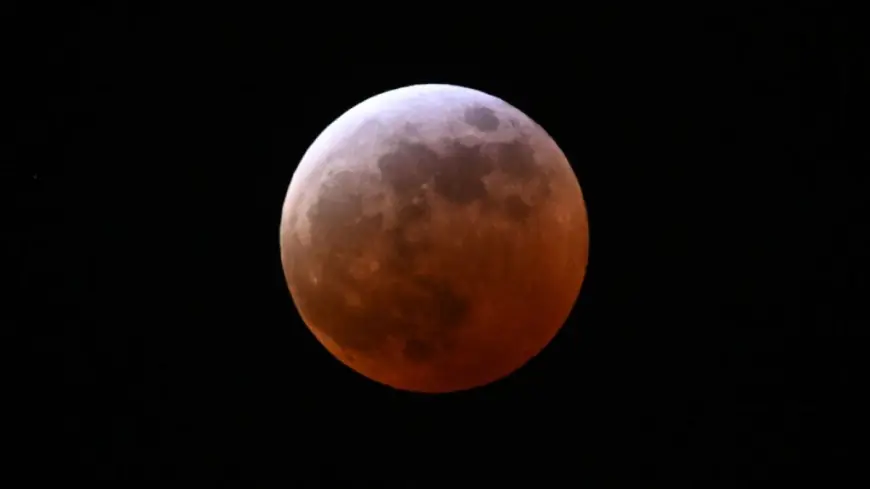
On the morning of March 3, 2026, the full March moon will pass through Earth's shadow and, for a time, take on a coppery red hue. This total lunar eclipse unfolds slowly, is safe to watch with the naked eye, and will be visible across large swaths of the globe. Below are the key Eastern Time milestones, where it will be seen, and how to get the best view.
When it happens (ET timeline)
Mark March 3, 2026 on your calendar. The eclipse progresses over several hours and the major phases in Eastern Time are:
- Penumbral begins: 3: 44 a. m. ET — the moon will start to dim subtly as it enters Earth's outer shadow.
- Partial eclipse begins: 4: 50 a. m. ET — the darker inner shadow becomes clearly visible on the lunar disk.
- Totality: 6: 04 a. m. ET to 7: 03 a. m. ET — the entire moon sits inside Earth's umbra and can take on deep red or orange tones.
- Event ends: 9: 23 a. m. ET — the moon exits the penumbra and returns to its normal brightness.
The full sequence means observers who are willing to be up early will be rewarded. Exact local start and end times can vary slightly with longitude and local horizon, so check a local observatory or astronomy calendar for site-specific timing.
Where it will be visible and what to expect
Visibility stretches across multiple regions. The eclipse will be visible in the early morning hours across much of North and Central America, with the best views in the western parts of those continents. Observers on the East Coast may see the moon set during or shortly after totality, so plan accordingly. Evening viewers in eastern Asia and Australia will watch the event after sunset, while locations across the central Pacific will experience the eclipse overnight. Large areas of Africa and Europe will not be able to see this eclipse.
This is the only total lunar eclipse for 2026, making it a particularly notable target for skywatchers. During totality the moon often appears reddish — commonly called a "blood moon" — because Earth's atmosphere bends and filters sunlight, tipping the color balance toward reds and oranges as those rays reach the lunar surface.
How to watch and photograph the blood moon
One of the nicest things about a lunar eclipse is that no special eye protection is required. A clear, unobstructed view of the moon is all that's needed. Binoculars or a small telescope will enhance surface detail and color, but they are optional. A darker sky away from city lights helps the red coloration stand out during totality.
Smartphones can capture impressive images if you steady the device on a tripod or lean it against a stable surface. For more detailed lunar photography, use a camera with a zoom lens or a small telescope and longer exposures, but no special filters are necessary to protect equipment. Dress warmly for pre-dawn watching and arrive early to let your eyes adjust and to watch the eclipse stages build.
Whether you're a casual viewer or an amateur photographer, the slow pace of a lunar eclipse makes it an accessible, dramatic demonstration of celestial mechanics: Earth sliding between the sun and the full moon, casting a shadow that briefly turns our nearest neighbor a deep, sunset color.