






















Is charles bronson on the verge of freedom? Parole panel weighs 52 years behind bars

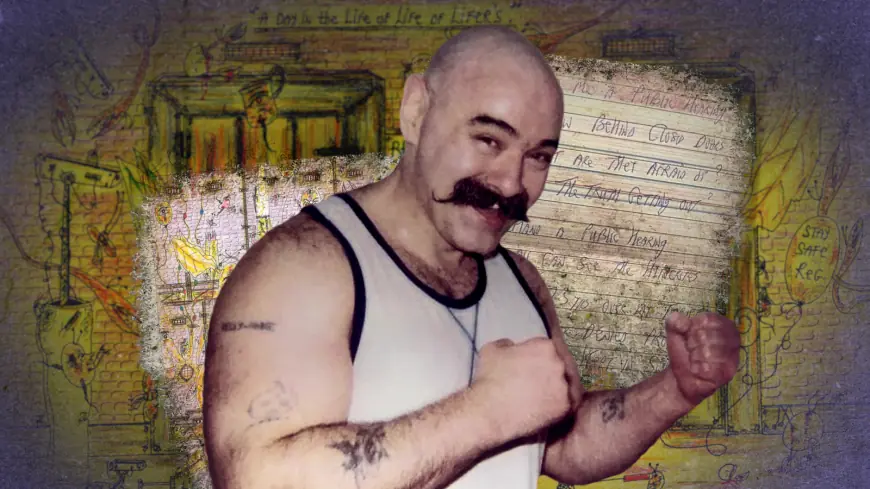
On Feb. 19, 2026 ET a Parole Board panel will consider whether charles bronson, who has spent more than five decades behind bars, can safely return to the community, be moved to a less restrictive prison, or face a delayed oral hearing. The case lays bare a long-running dilemma: how to assess risk when opportunities to demonstrate change are tightly constrained.
Three potential outcomes and what they mean
The panel's review is primarily documentary. Prison staff, psychiatrists, probation teams and Bronson's legal representatives have submitted written assessments and the board will decide whether the risk he poses is low enough to be managed in the community, whether he should be transferred to an open prison for further testing in a less restrictive setting, or whether the matter should be heard in person at an oral hearing.
If the panel clears him for release it will impose conditions designed to protect the public and manage risk. A move to an open prison would allow more interaction and monitoring in a lower-security environment — a step some experts see as the only practical way to test whether long-term behaviour change has taken hold. An oral hearing would delay any immediate decision and give the board an opportunity to question the man at the centre of the application directly.
Why release has repeatedly proved elusive
Bronson, now 73, was first jailed in 1974 for an armed robbery and has spent most of the ensuing half-century behind bars, including long periods in solitary confinement. His record includes repeated violent incidents, most notably a 1999 hostage-taking that led to a life sentence, and a 2014 conviction for assaulting a governor. This history is the core of the board’s risk assessment.
A persistent obstacle is what one former governor described as a Catch-22: he is kept in highly restrictive conditions because of the risk he represents, but those conditions limit opportunities to show sustained, everyday good behaviour in a normal prison setting. That circular problem has left him in high-security regimes even after panels acknowledged pockets of improved behaviour in past reviews.
Critics of the system also point to a changed prison environment. Increased pressures from organised crime, drug-related issues and levels of unrest inside establishments make authorities more cautious when weighing release or transfers, and can tip decisions toward continued containment rather than gradual reintegration.
Bronson's stance and views from inside
In advance of the current review he dismissed his legal team and said he would not take part in the process, protesting that his request for a public hearing had been turned down. In a letter he used colourful language to characterise parole as a farce and questioned why authorities resisted a public forum.
A psychiatrist who treated him three decades ago said Bronson's anger is understandable given what he has endured, and suggested that refusal to engage is not necessarily fatal to his case. Former prison managers who worked with him over the years recall short runs of helpful engagement but also violent setbacks, underscoring how difficult it has been to establish a reliable pattern of reform.
The panel will weigh all of this: decades of serious incidents and the practical limits of evidence gathered while a man remains in near-total isolation. For many observers the central question is procedural as much as clinical — can assessment processes be configured to give a prisoner a genuine chance to prove change, without exposing the public to unreasonable risk?
Whatever the decision, it will be another chapter in a case that has tested the limits of the parole system for more than half a century. The panel’s outcome will either open a path toward gradual reintegration, keep a long-standing containment in place, or force a public, in‑person reckoning of a life lived almost entirely inside the prison estate.