
























mikaela shiffrin storms to emphatic Olympic slalom gold in Italy

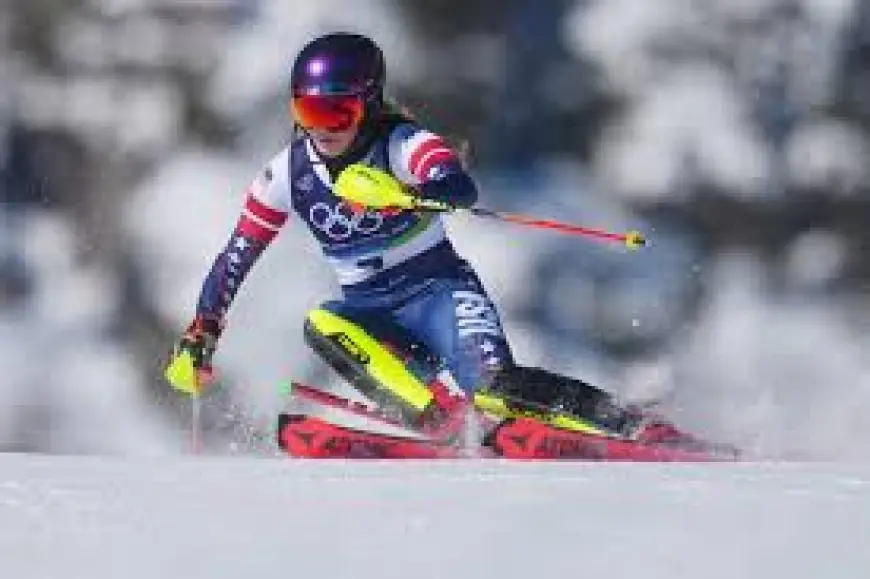
Mikaela Shiffrin produced a commanding performance to win her third Olympic slalom gold, delivering a margin of victory rarely seen at this level and turning a long, painful stretch without an Olympic medal into a powerful comeback moment.
Emotional triumph and tribute to her father
Crossing the line with an overall time of 1: 39. 10, the 30-year-old did more than add another gold to an already extraordinary résumé. Her thoughts immediately went to her father, who passed away six years ago. In the moments after the finish she embraced her mother and coaches and spoke plainly about loss and acceptance. "For my dad, who didn't get to see this. This was a moment I had dreamed about. I have also been very scared of this moment, " she said. She described the period after his death as like an "invisible injury" and likened moving forward to "being born again, " admitting that arriving at this race and being able to accept life without him felt like a new step.
Shiffrin has been open about the role her mental health and grief have played in her career trajectory. She spent almost a year away from competition following her father's death, and has spoken publicly about the challenge of simply "showing up" for races. On this day she distilled the task into a pragmatic approach: remove the noise, stay simple, and execute the two runs she knows how to do.
Dominant performance on the slopes
The victory in Cortina was authoritative: Shiffrin won by an extraordinary 1. 50 seconds, a margin that underlines how she controlled both runs from start to finish. Entering the event as the heavy favourite under intense scrutiny, she delivered a clean, measured display and left no doubt about who was best on the course.
Her season form explained much of that confidence. She has been near-flawless in World Cup slalom events this season, winning seven of eight races and finishing second in the other, enough to secure the overall title with races still to spare. Those results feed into a larger career ledger that already marks her as the most successful alpine skier in history: 108 World Cup race wins, five overall titles and a string of championship victories and podiums that few can match.
Legacy and what comes next
This gold completes a rare Olympic hat-trick in the slalom for Shiffrin, who first stood atop the podium in Sochi as a teenager and added another gold in Pyeongchang in 2018. The eight-year gap between Olympic medals had been filled with challenges both on and off the snow, yet Wednesday's result underlined her longevity and capacity to respond after hardship.
For the sport, the result is a reminder of Shiffrin's place among alpine skiing's elite. For her personally, it is a milestone in a recovery story that has been as much about emotional resilience as athletic excellence. She framed the day simply: the process of showing up, doing the work and letting the runs speak for themselves. That philosophy paid off in emphatic fashion — a dominant win, a long-awaited Olympic redemption and a deeply personal tribute rolled into one.
As the Games progress, attention will turn to how Shiffrin channels this victory into the remainder of the season and what further records she might chase. For now, however, the image of her accepting the gold while quietly taking a moment for her father will remain the defining memory of this slalom.