

























pam bondi's Hearing Sparks Fierce Backlash Over DOJ Mishandling of Epstein Files

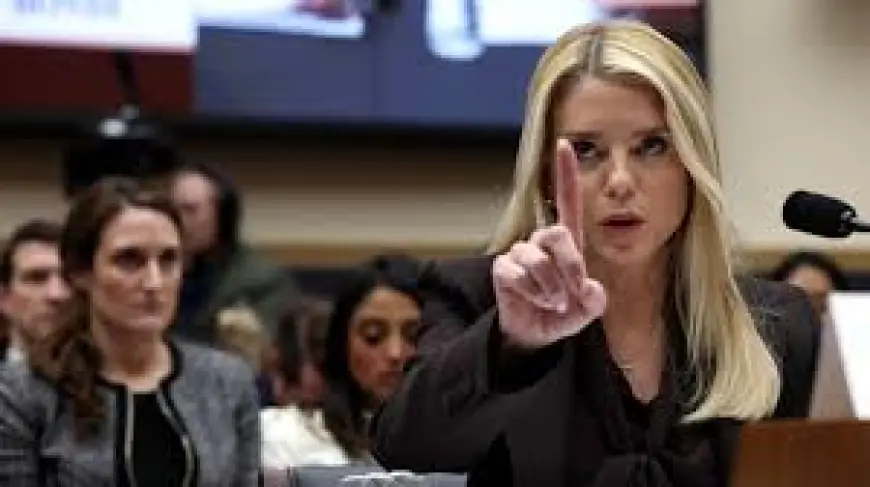
The attorney general drew intense criticism this week after a combative congressional appearance and a botched release of long-sought files tied to Jeffrey Epstein. Survivors who attended the hearing described the moment as humiliating, while lawmakers and advocates condemned the Justice Department’s handling of sensitive records that were meant to provide transparency.
Combative testimony in a fraught hearing
The hearing in the House Judiciary Committee chamber became a flashpoint. Victims of Epstein sat in the gallery seeking answers and accountability; on the witness stand, the attorney general declined to apologize and instead challenged members of both parties. In exchanges that many observers called undignified, she branded the committee’s ranking member a “washed-up, loser lawyer, ” derided a representative who had pushed for release of the documents as a “failed politician, ” and at one point invoked the stock market in response to a question she did not welcome.
The confrontational tone intensified outrage. For survivors who testified about years of legal and personal harm, the spectacle felt like a renewed betrayal. Lawmakers pressed the attorney general on why the Department of Justice had delayed disclosure of the materials and why the department’s redactions appeared inconsistent—shielding certain powerful figures while exposing intimate details of victims’ lives.
Errors in the document release exposed victims and protected elites
The public release of the files was intended to advance transparency. Instead, the department’s rollout included grievous errors: dozens of unredacted images were uploaded, some showing nude photos of young women and possibly teenagers. That failure to safeguard victims’ identities and dignity has been described by advocates as one of the most startling lapses in a process already fraught with secrecy.
At the same time, a large portion of the material remained heavily redacted, preserving the anonymity of several wealthy and influential men whose names still do not appear in the public record. Representatives who reviewed the fuller files indicated that roughly four out of five pages remain obscured, leaving unanswered questions about whom the department prioritized protecting. The uneven approach—carelessness with survivors’ privacy coupled with meticulous shielding of elite figures—has raised suspicions that the release functioned as a selective, partial reckoning rather than a full accounting.
Political and legal fallout ahead
Critics are framing the episode as both an administrative failure and a political maneuver. The attorney general had the authority to make some of these documents public earlier but only did so after congressional pressure compelled a release. The subsequent mistakes and inconsistent redactions have increased calls for independent review of the department’s handling of the files and renewed scrutiny of how authorities weigh victims’ protections against other interests.
For victims, the immediate damage is personal: the confidence that a federal agency would guard their privacy has been eroded. For lawmakers and the public, the episode has become emblematic of broader concerns about selective transparency and the potential for powerful actors to escape full exposure. The coming days are likely to see additional congressional demands for explanations and possible administrative or legal steps to address both the disclosure failures and the lingering opacity surrounding the identities protected in the files.
Whatever the next moves by investigators or legislators, the hearing and the flawed document release have transformed a technical records dispute into a national controversy about justice, accountability and who is protected in the corridors of power.