




















love story fx spotlights East Village eatery, sparking reservation surge

A longtime New York City restaurant is experiencing a fresh wave of attention after being depicted as the on-screen first date location in the new series love story fx. The spotlight has produced a measurable business uptick for the East Village venue and renewed discussion about how dramatizations of famous lives affect the places and people they portray.
Local restaurant reports 20–70% rise in business after episode
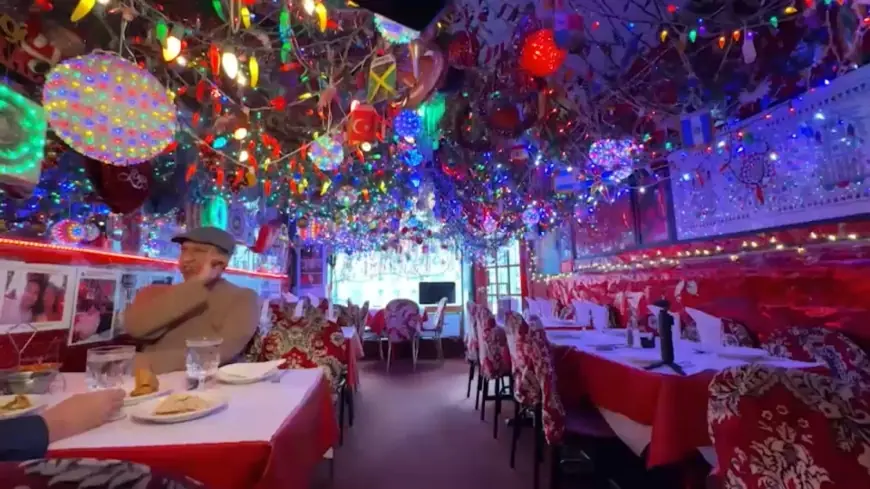
Panna II Garden Indian Restaurant, a modest establishment in Manhattan's East Village, says reservations have climbed significantly since the episode featuring the couple aired. Owner Boshir Khan said foot traffic and bookings have increased anywhere from 20 to 70 percent, a boost he attributes directly to the restaurant's depiction as a key early date spot in the series.
Khan described the couple's real-life habits, saying they would often dine there before the evening rush: "Usually before six so they would come before rush hour and be the only ones. " He added that the pair tended to avoid attention, sometimes hiding beneath the restaurant's distinctive lighting to escape paparazzi. The location has a small track record of serving as a filming site over the years, and crew activity tied to the recent production brought renewed curiosity from passersby and fans.
The surge has practical effects for the business: longer reservation waitlists, an uptick in walk-ins seeking the booth associated with the dramatized moment, and staff fielding more questions about the couple's real habits. For a neighborhood eatery, such publicity can be a windfall — but it also forces adaptation to higher demand and heightened visitor expectations.
Casting choices and online backlash fuel broader conversation
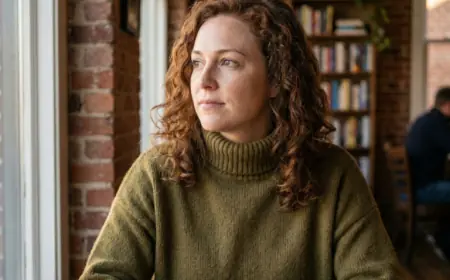
The series has not escaped controversy. Early casting images and stylistic choices prompted lively online debate about accuracy and intent, with critics focused on hair, wardrobe and the visual portrayal of one of the story's central figures. The show's creators describe the reaction as intense, noting that the scrutiny mirrored the real-life experience of the woman at the center of the story, who moved from relative anonymity into relentless public attention.
Producers say they conducted an exhaustive search for actors to inhabit the central roles, seeing more than a thousand candidates before settling on leads who are relatively new to high-profile work. One of the leads is making a significant leap into major on-screen prominence, while the other has been praised by the creative team for carrying the role's guarded yet magnetic qualities.
Not all responses have been positive. A family member of the central figure publicly criticized the project for what he called the monetization of a private life, labeling the portrayal inappropriate. Producers and cast members have pushed back, emphasizing care and respect in their storytelling and expressing hope that the work will be judged on its intent to honor those involved.
What’s next: schedule and cultural ripple effects
The series continues to roll out episodes on a weekly schedule, with new installments dropping on Thursdays at 9 p. m. ET on a streaming service. As episodes air, locations connected to the story — from restaurants to residences and shooting sites — are likely to remain points of public interest, driving tourism, local foot traffic and social-media conversation.
For businesses like Panna II Garden, the picture is mixed: a welcome increase in customers and revenue, coupled with operational challenges and the occasional influx of visitors seeking a piece of dramatized history. For the creative team, the attention underscores how tightly entwined modern storytelling, fandom and place-based nostalgia have become. Whether the surge in interest proves lasting will depend on the series' reception in the weeks ahead and on whether audiences convert curiosity into repeat patronage.
Either way, a small East Village restaurant that once offered late-afternoon privacy to a famous couple now finds itself part of a broader cultural conversation — and serves as a reminder that on-screen portrayals can reshape real-world behavior in a matter of days.