















how to get to heaven from belfast — review: a darkly funny, frenetic caper you must see

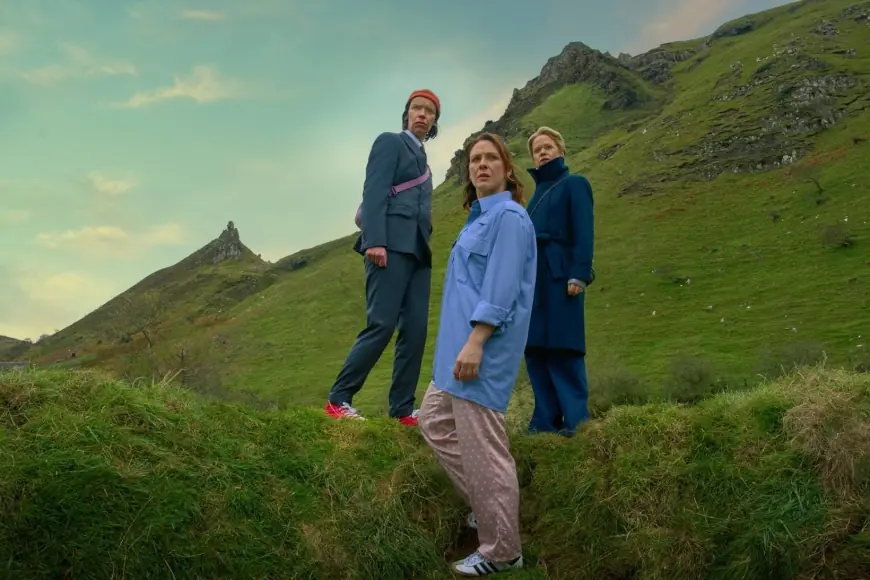
Lisa McGee’s latest series reteams razor-sharp comic instincts with a pile‑up of mystery, violence and loyalty. What begins at a wake quickly turns into a road-trip investigation as three former schoolfriends chase a secret that has shadowed them for two decades. The show blends laugh-out-loud lines with genuine dread, and a standout cast keeps the momentum taut for the run of the eight episodes.
Three leads, infinite energy
The engine of the series is the trio at its centre: a TV crime writer, a weary mother, and a carer who have been bound since adolescence by a shared trauma. Their chemistry — smouldering, sparky and occasionally combustible — sells every scene. One cast member delivers a sensationally bright, anarchic turn that repeatedly shifts the tone from cosy to dangerous within a single beat. The other two provide sturdy counterpoints: one playing exasperation and practical common sense, the other conveying guarded vulnerability and simmering resentment.
What makes McGee’s writing feel fresh is how she treats the women as fully rounded protagonists rather than punchlines. They drink, swear, argue and bicker, but they also carry old shame and loyalty that propel them into risky decisions. That mix of humour and pathos recalls the creator’s earlier work while leaning into darker impulses: occult motifs, a possibly faked death, and the unsettling suggestion that someone in the town — or closer to home — might be capable of real violence.
Plot and tone: a caper that keeps its foot down
The plot detonates at a funeral when the friends notice something wrong with the body in the coffin. An occult tattoo that once linked the four girls is missing, and one of them immediately suspects foul play. Initially reluctant, the others are pulled into the investigation by loyalty and fear that the past is resurfacing. From there the narrative careens through flashbacks, tense confrontations and a string of revelations that rarely let the audience rest.
McGee balances comedy and menace with an expert hand. The pace is unapologetically frenetic: scenes move quickly, quips land amid peril, and the soundtrack of the women’s shared history keeps the emotional stakes high. The show occasionally threatens to run out of breath, but the momentum rarely flags; a propulsive plotting choice after another keeps viewers leaning forward rather than asking for pauses. Dark humour is used to defuse, not to undermine, the series’ more serious beats.
Place, production and supporting players
Visually and geographically the series travels. Filming spans a wide swathe of locations across the island of Ireland and beyond, which gives the show a road-trip breadth that offsets the claustrophobia of small-town suspicion. Rural roads, abandoned buildings and a ruined convent are used to striking effect: the landscape feels like another character, one that holds memory and menace in equal measure.
Supporting performances add texture and threat. A local law-enforcement figure who is also personally tied to the missing woman is played with a quietly terrifying intensity; another elder presence in the community reads as almost as forbidding. A cast of locals and occasional outsiders complicates the trio’s investigation, giving the plot room to cross genres — from black comedy to sudden, sharp thriller beats.
At a time when many dramas opt for dour minimalism, this series wears its noise proudly. It traffics in cathartic laughter and shock in equal measure, and it’s likely to divide viewers who prefer one tone over the other. For those willing to ride the collision of comedy and dread, it rewards with smart character work, a propulsive mystery and a clear, unapologetic voice from a creator who knows her strengths.
Verdict: an often uproarious, frequently chilling mystery that cements Lisa McGee’s gift for mixing heart and havoc, anchored by three central performances that keep the show’s charge alive from the first wake to the last reveal.