











Emerald Fennell’s wuthering heights movie Splits Audiences Over Tone and Casting

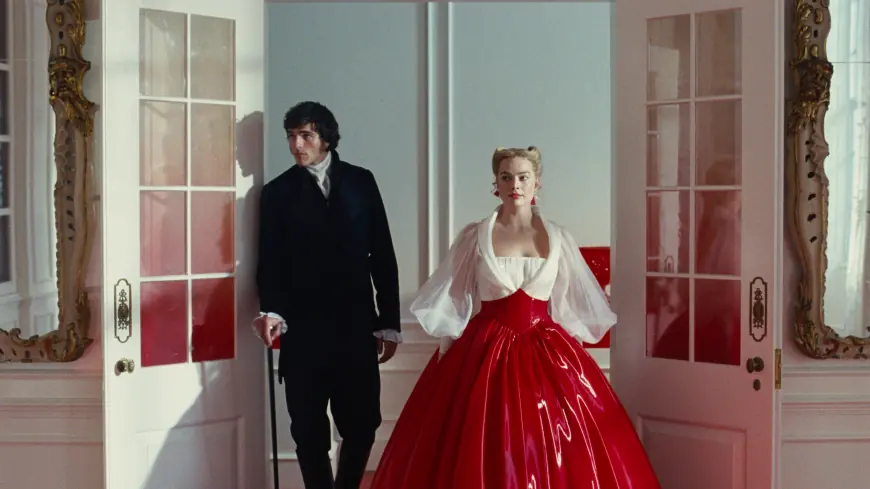
Emerald Fennell’s bold take on the classic novel opened the weekend of Feb. 14, 2026 (ET) and has immediately provoked a polarized response. Fans at packed screenings praised its erotic energy and glossy design, while another group of viewers and critics argue the film strips away the novel’s essential darkness and moral ambiguity.
Aesthetic overhaul: fantasy over Gothic brutality
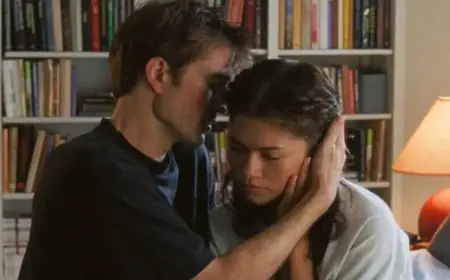
Fennell frames her version as a fantasia rather than a literal retelling, and that choice shows clearly in the film’s production design and soundtrack. Lavish, fetish-tinged interiors — rooms that read as skin-toned, close-ups on unsettling textures, and clothing that leans into latex and transparent sheens — signal a deliberate prioritization of style and sensuality. A contemporary pop soundtrack further telescopes the story away from the 19th-century moors and toward a modern, heightened fantasy.
That visual and sonic boldness has won the film ardent defenders who find it exhilarating and unorthodox. But many readers of the source material contend the approach softens the novel’s ferocity. The original work’s mix of feral violence, generational trauma and moral contradiction is where its power lies for many; critics argue that by foregrounding eroticism and spectacle, the adaptation loses the strange, unsettling quality that made the book singular.
Casting, race and the question of fidelity
Casting choices have been a focal point of the controversy. The leads are presented with Hollywood glamour rather than the rough-hewn, ambiguous origins the novel gives them, and that shift has prompted accusations that the film whitewashes one of the story’s most complicated elements. The novel’s depiction of Heathcliff as visibly other, racially ambiguous and socially marginal is integral to how his outsider rage and the social dynamics around him develop; critics argue that reframing him as conventionally handsome diminishes that dimension.
Proponents of the film counter that this reimagining is part of a deliberate re-centering: the director has explicitly treated the material as a snippet of the novel refracted through a modern sensibility. The result is a tighter focus on desire and image, with less attention to the cycles of abuse and the generational consequences that many consider central to the original narrative.
Why audiences are so divided
The debate over the film crystallizes a broader question about what an adaptation should do: translate, reinterpret, or reinvent. For viewers seeking a faithful transposition of the novel’s brutality and structural complexity, the film feels like a betrayal—an adaptation that trims the corners that made the book both repellent and irresistible. For others, the director’s choices produce a provocative, modern work that stands on its own as a stylized exploration of obsession.
Public reactions have been strikingly immediate. At a private screening on Feb. 13, 2026 at 3: 30 p. m. (ET), viewers responded with raucous enthusiasm to the leads and the film’s erotic charge. At the same time, literary commentators and longtime readers have denounced the film’s sanitizing of the characters’ moral responsibility and its excision of much of the novel’s intergenerational suffering.
Ultimately, the film’s early reception underscores the enduring difficulty — and vitality — of adapting a work that is itself both deeply unsettling and, for many readers, profoundly romantic. Whether this version will be judged a fresh, defensible reimagining or a misfire that masks the novel’s core tensions will likely be decided in the months ahead, as viewers continue to parse what was changed, and why.