



















look mum no computer eurovision song: UK picks eccentric electronic artist for Vienna 2026

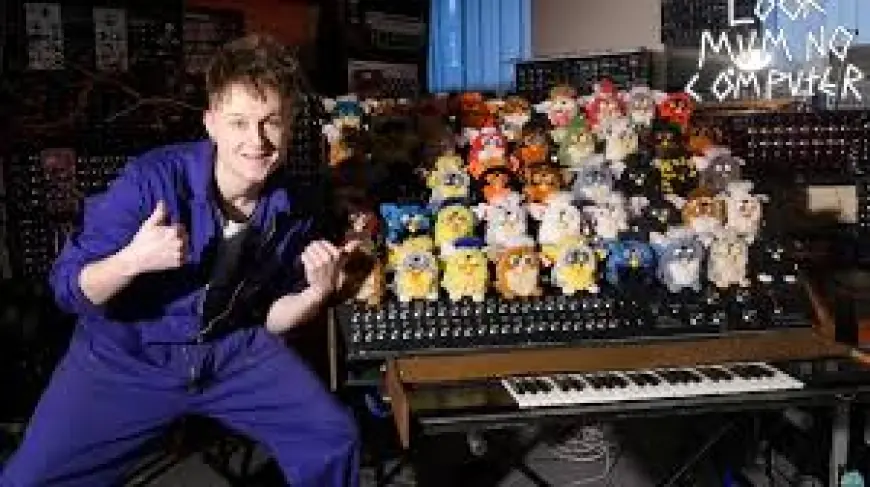
The United Kingdom has chosen electronic musician and inventor Look Mum No Computer as its entrant for the Eurovision Song Contest in Vienna. The announcement sets up a high-concept entry from an artist known for building unusual instruments and documenting his creative process for a large online audience.
Who is Look Mum No Computer and what will he bring to the stage?
Look Mum No Computer is the performing name of Sam Battle, a Kent-based composer, performer and maker who first emerged as the frontman of an indie band before pivoting to experimental electronics. He has built a reputation for turning obsolete toys and vintage hardware into playable instruments — from organs made from Furby toys to Game Boys programmed to reproduce century-old organ tones, synthesiser-equipped bicycles and even flame-throwing keyboards. He also holds a world record for creating the largest drone synthesizer, a feat that underlines the scale of his technical ambition.
Battle has documented his work across video channels and social platforms, amassing a sizeable audience that follows both the music and the engineering behind it. He runs a small museum dedicated to experimental and obsolete musical and scientific technology, which has become a public showcase for his installations and pieces.
On being selected, he described the decision as "completely bonkers" in the best possible way and said he has always been a massive fan of the contest. "I will be bringing every ounce of my creativity to my performances, " he added, promising a visually striking and sonically adventurous show when he appears in Vienna in May 2026 (ET).
Why this choice matters for the UK's Eurovision approach
The selection signals a clear shift toward risk-taking. The country has struggled for consistent top finishes in recent contests, and broadcasters appear willing to back unusual, boundary-pushing ideas rather than safe pop formulas. Choosing an artist whose work sits at the intersection of music, invention and internet culture is an embrace of a different strategy: aim to stand out and create a memorable moment rather than blend into the pack.
That gambit could pay off. Eurovision's recent history rewards acts that arrive with a strong visual identity and a story to tell, and Battle's hands-on approach to crafting instruments and stage concepts gives him both. Expect a performance that foregrounds bespoke machines and a DIY aesthetic rather than conventional staging. A senior entertainment executive involved in the decision praised the pick for its bold vision and electric performance style, saying the selection embodies creativity, ambition and a distinctly British wit.
What comes next and what fans can expect
The song itself has not been released publicly yet. A radio presenter has suggested they have heard the unreleased track, but the team has kept details tightly under wraps while preparations continue. Battle’s public comments indicate that he and his collaborators are taking a hands-on approach to writing, producing and staging — and that he plans to document much of the process.
With Eurovision scheduled for May 2026 (ET) in Vienna, rehearsals and production planning will ramp up in the months ahead. The artist’s established fanbase and knack for viral, eye-catching projects mean the entry will already be arriving with attention. Whether that attention converts into votes will depend on how the performance lands with pan-European audiences and juries. For now, the selection represents a clear choice to experiment — a gamble that could either reinvent the national formula or underline the difficulty of translating niche creativity into broad continental appeal.
Either way, the UK will head to Vienna with one of its most unconventional representatives in years. If Eurovision is ready for an immersive, machine-driven spectacle, this entry will be hard to ignore.