

















bombay Talks See Push for India-Made Component in Rafale Negotiations

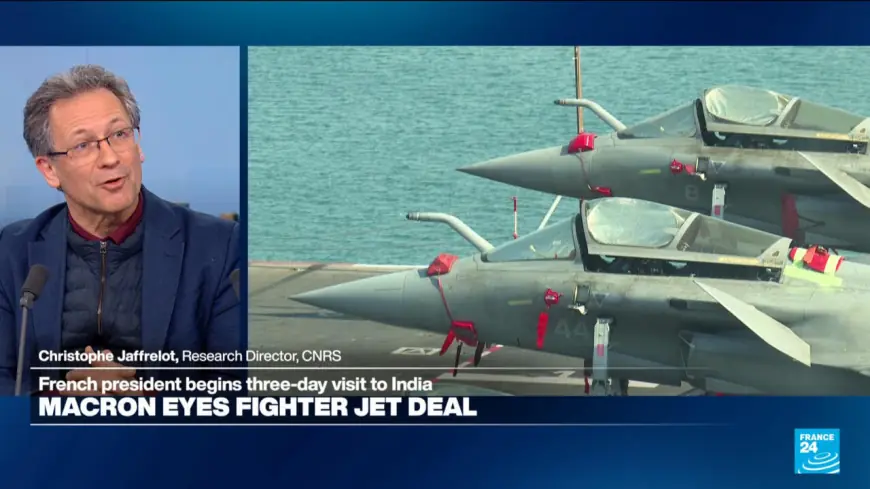
India pressed France to increase India-made content in ongoing discussions over additional Rafale fighters during a high-level visit that underscored a widening defence and industrial partnership. The move comes as both capitals advance plans for joint production and deeper technology cooperation amid a shifting global security landscape.
Defence minister presses for higher India-made content
Defense Minister Rajnath Singh raised the demand to raise India-made components in the Rafale package during talks with French counterparts, seeking a clearer roadmap for localisation and transfer of technology. The push aims to expand the role of Indian industry across the Rafale supply chain rather than limit domestic firms to follow-on assembly and maintenance tasks.
Officials framed the request as part of a broader national objective to build sovereign defence manufacturing capacity, create high-skilled jobs and strengthen supply-chain resilience. The ask covers avionics, composite parts, electronic warfare systems and maintenance, repair and overhaul work that could be phased into Indian factories over time.
Paris and New Delhi are also discussing the scale of any new Rafale order, with French proposals including offers for as many as 114 additional fighters. Negotiators are weighing the industrial offsets that would accompany any contract, and India’s defence leadership is pushing for a larger share of manufacturing content to be produced locally.
Macron-Modi engagement accelerates defence-industrial cooperation
French President Emmanuel Macron met Prime Minister Narendra Modi in Mumbai on Feb. 17, 2026 (ET), a visit that highlighted expanding ties across defence, technology and energy. Alongside the Rafale talks, the leaders marked the inauguration of a final assembly line for light helicopters built in partnership with Indian private industry — a first in the domestic private sector for rotorcraft production.
The helicopter facility, described by both governments as a model for future joint ventures, signals a new phase in which major defence vendors will increasingly place production and key value‑chain activities inside India. That pattern is central to India’s wider industrial strategy: attract long-term foreign capital, develop indigenous suppliers and anchor strategic manufacturing capabilities onshore.
Strategic and economic implications
An expanded Franco-Indian defence partnership could reshape regional defence procurement patterns and accelerate India’s ambitions to become a global defence exporter. Higher India-made content in a Rafale package would create opportunities for local firms but also place a premium on rapid skills development, certification systems and stricter quality controls to meet Western standards.
There are geopolitical considerations as well. A marked pivot toward Western platforms raises questions about long-standing defence relationships with other partners, and New Delhi will need to balance strategic priorities while managing existing ties. Meanwhile, the commercial stakes are significant: large fighter orders come with industrial offsets, long-term servicing contracts and potential technology transfers that can seed entire supplier ecosystems.
For France, deeper industrial integration provides a stronger foothold in the Indo-Pacific and a stable partner for advanced defence production. For India, securing a bigger role in manufacturing could reduce import dependence, expand export potential and reinforce a domestic defence industrial base able to support both national needs and global supply chains.
Outlook
Negotiations over the Rafale follow-on order and localisation targets will continue in coming months as technical teams and industry representatives work through capability, cost and certification challenges. Delivering on higher India-made content will require sustained political commitment, clear timelines and investment in supplier development — elements both capitals flagged as priorities during the bombay-level discussions.
As talks progress, attention will turn to the specifics of any deal: the number of jets, the scope of technology transfer and the mechanisms to ensure Indian industry benefits in a lasting, measurable way. The outcomes will be a bellwether for the future of defence industrial cooperation between the two countries.