



















Why Chiefs Shouldn't Seek tyreek hill Reunion: Nostalgia Will Get You In Trouble

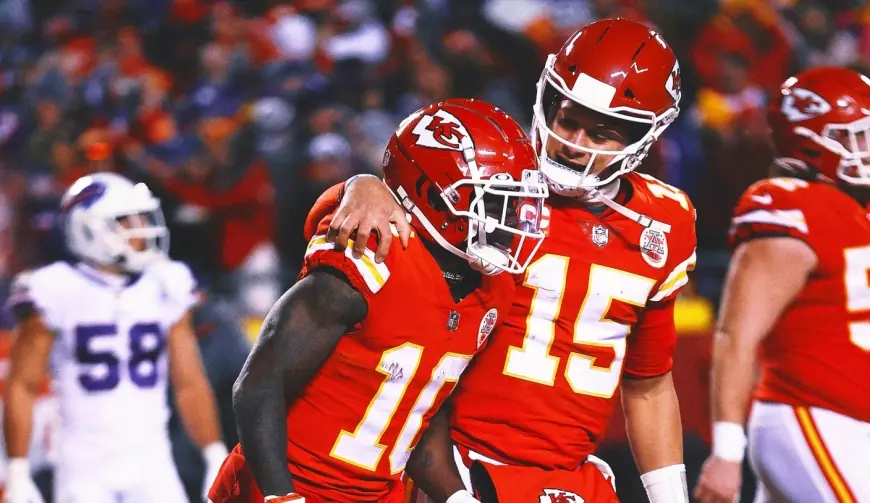
The release of Tyreek Hill has sparked immediate speculation about a possible return to Kansas City. But franchise realities — an acute salary-cap squeeze, Hill's serious knee injury and the Chiefs' own roster uncertainties — make a reunion a risky proposition rather than a clear boost.
Cap reality and roster trade-offs
Kansas City enters the offseason with a significant salary-cap problem, forcing difficult choices about where to allocate scarce resources. The team is currently operating tens of millions of dollars over the limit, which effectively rules out bidding wars for high-dollar veterans. Even if Hill is willing to accept a pay cut relative to recent seasons, signing a top-tier receiver would likely require sacrificing depth elsewhere or restructuring contracts that could destabilize the roster.
That reality pushes the franchise toward lower-cost options: short-term, team-friendly deals, mid-tier veteran signings, or internal development. Any commitment to a sizable contract for a single receiver would reduce flexibility to re-sign key contributors or address other pressing needs. In short, a nostalgic splash move could hamstring the team’s ability to patch multiple holes this offseason.
Health, age and diminishing returns
Hill remains one of the most dynamic receivers of the last decade, but he is also on the wrong side of 30 and recovering from a significant ACL tear coupled with a knee dislocation. Those are not minor concerns for a player whose game relies on sudden bursts of speed and sharp route separation. The medical unknowns elevate the gamble: there’s no guarantee the player who dominated defenses will return to the same level after such a major injury.
Beyond the recovery timeline, the statistical picture matters. The Chiefs’ receiving corps last season produced uneven results, with no player topping 600 receiving yards. Adding Hill could theoretically solve the playmaking problem, but it also raises the question of whether the team would be better served by investing in multiple moderate-impact players or preserving cap space for other priorities. Betting big on a single comeback hit amplifies the downside if the recovery falls short.
Opportunity cost: protecting pillars and retaining youth
There are compelling alternatives to pursuing a high-risk reunion. The franchise has a pair of pivotal offseason decisions: retaining veteran leaders who remain productive and keeping promising younger pieces. One veteran tight end-probably the team’s primary security blanket for the quarterback-is weighing retirement but remains an influential offensive presence when healthy. Meanwhile, a promising young linebacker has emerged as a defensive anchor and could be pivotal to the team’s plans if retained.
Committing cap room and roster spots to a single marquee receiver would make it tougher to extend or re-sign these internal building blocks. Preserving flexibility would allow the team to pursue a series of low-to-mid-cost upgrades, rather than concentrating risk on one headline splash. Depth additions, scheme fit, and continuity — particularly on offense and along the defensive front — may yield more reliable gains than chasing a reunion rooted in past success.
Ultimately, the choice is about balance. Emotional connections to past dynasties are powerful, but roster construction in salary-cap eras rewards prudence and contingency planning. For a franchise facing multiple decisions and limited financial room, leaning into safer, multipronged improvements looks like the more sustainable path than banking on a high-profile comeback.