





















mikaela shiffrin reclaims Olympic slalom crown in emphatic fashion

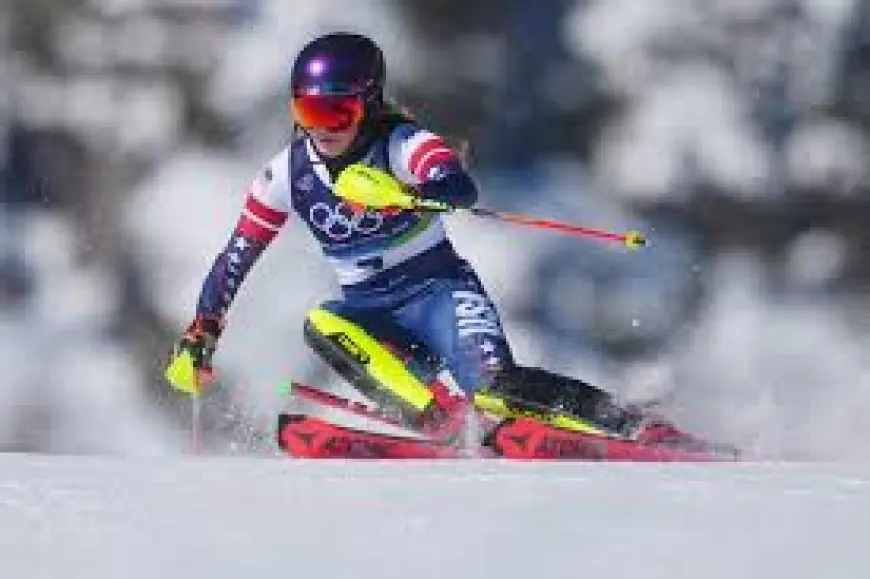
On Wednesday evening (ET) in Cortina, Mikaela Shiffrin produced a decisive slalom performance to claim her third Olympic gold, stamping a return to the top of alpine skiing after years of hardship and expectation. The 30-year-old American crossed the line with an overall time of 1: 39. 10, outpacing the field by an extraordinary 1. 50 seconds.
Dominant skiing ends a long Olympic drought
Shiffrin’s victory was emphatic rather than marginal. Having first won Olympic slalom gold as an 18-year-old in Sochi and again in Pyeongchang in 2018, she had endured eight years without an Olympic medal amid crashes, self-doubt, and the pressure that comes with being the most successful World Cup skier in history. This season she arrived in Cortina as the heavy favorite, having won seven of eight World Cup slalom races and finishing second in the other, and she translated that form into two composed runs on an unforgiving course.
The margin of 1. 50 seconds underlines the level at which she competed: comfortable, controlled and technically superior. That gap in slalom—where hundredths of a second often separate the podium—is a statement of dominance. Switzerland’s Camille Rast took silver and Sweden’s Anna Swenn-Larsson claimed bronze, but both were left trailing by Shiffrin’s near-flawless turns.
Personal resilience: a victory beyond sport
More than a sporting triumph, the win was deeply personal. Shiffrin spent almost a year away from competition following the death of her father, Jeff, a loss she has described as an "invisible injury". She dedicated the victory to him, reflecting on the new reality of life after loss: "For my dad, who didn't get to see this. This was a moment I had dreamed about. I have also been very scared of this moment. "
Her openness about mental health and the struggles that followed two major crashes and a stretch without podium finishes has been a defining part of her recent narrative. She spoke candidly about how showing up—simply turning up for two runs and doing what she knows how to do—was an achievement in itself. "It's so much work just to show up for two runs and do something that is within me and I know how to do, " she said, describing the mental discipline required to cut through external noise and be simple with the task at hand.
Legacy cemented and the road ahead
With 108 World Cup victories to her name, five overall World Cup titles and a total of dozens more podiums, Shiffrin’s place among the sports all-time greats is secure. Winning Olympic gold again 12 years after her first creates a rare Olympic bookend and marks the longest gap between individual golds in the same Winter Games event.
The emotional weight of this triumph—sharing the finish line with her mother and coaches, and naming the moment for her father—adds texture to an already remarkable competitive record. It also offers a reminder that elite sport often intersects with life’s deepest challenges: resilience, grief and recovery are as much part of an athlete’s story as medals.
On the practical side, Shiffrin’s form this season suggests she will remain the athlete to beat in technical events for the foreseeable future. For now, however, the focus will be on processing this milestone: a dominant two-run performance, a third Olympic gold, and a hard-won moment of closure and celebration after years of struggle.
As the Games continue, Shiffrin’s victory will resonate beyond the podium. It is a headline-making result on the mountain and a human story of perseverance that will be remembered long after the final lift closes in Cortina.