

















How the world is marking the lunar new year as the Fire Horse returns after 60 years

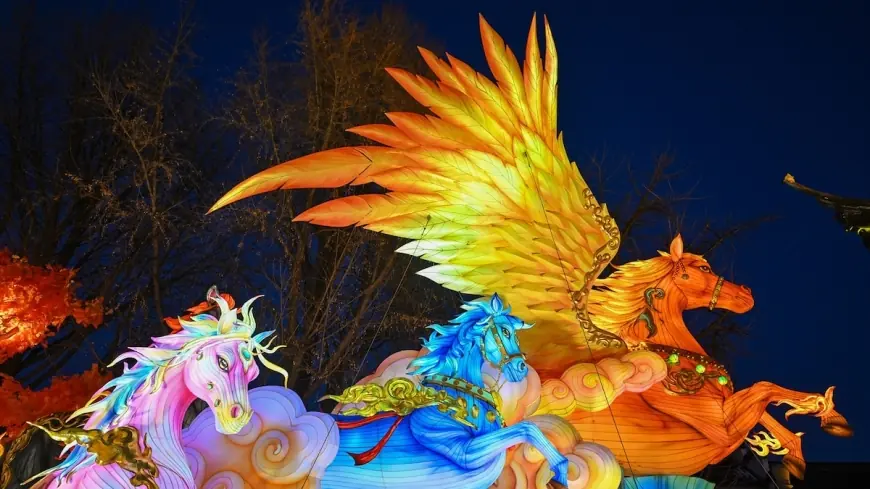
Millions of people across the globe are marking the lunar new year with ceremonies, street festivities and private gatherings as communities welcome the Year of the Fire Horse. The holiday, which begins with the first new moon of the lunar calendar and runs within the traditional window of January 21 to February 20 (ET), is being observed from Hong Kong to Buenos Aires and in cities in between.
Global celebrations and local customs
Community events this year span a wide range of public and private rituals. Urban centers are staging evening processions, cultural performances and family reunions, while smaller communities and diasporic groups hold temple visits and communal feasts. Public spaces are commonly decorated with thematic motifs tied to the new year, and seasonal markets have been busy as households prepare gifts and traditional foods for visiting relatives.
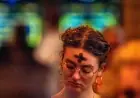
Some of the most visible displays include parades and lantern-lit gatherings in major cities, while other observances focus on personal rites—such as visits to places of worship and ceremonies that ask for good fortune in the coming months. In parts of Southeast Asia, age-old customs continue to attract large numbers of participants, including events where singles seek blessings for future relationships.
What the Year of the Fire Horse signifies
This year’s zodiac sign pairs the horse with the element of fire, a combination that appears only once every 60 years. The horse is traditionally associated with movement, independence and endurance; when paired with fire, those qualities are seen as heightened and more dynamic. Cultural scholars frame the horse’s energy as active and forward-driving, a symbol of ambition and rapid change.
The five-element cycle—earth, wood, fire, metal and water—rotates more slowly than the 12-animal zodiac, which is why particular animal-element pairings recur on a six-decade rhythm. The last time the fire-horse configuration appeared was 60 years ago, making this a notable return. For many households and retailers, the fire horse motif is appearing on red envelopes, cards and wrapping paper, intended to both celebrate and channel the symbolic vigor of the year ahead.
Expectations and cultural ripple effects
The fire-horse year is widely interpreted as a time that rewards decisive action and encourages personal initiative, while also urging caution against recklessness. Observers note that the horse’s quick-moving nature may translate into a sense that events and opportunities can accelerate this year—prompting people to be ready to act when chances arise.
Beyond symbolism, the lunar new year traditionally generates notable economic activity due to travel, gift-giving and seasonal commerce. Cities with large festival programs see an uptick in tourism and hospitality demand, while neighborhood celebrations foster small-business trade in food, decorations and festive goods. The cultural reach of the holiday also continues to expand, with communities from Buenos Aires to North American and European neighborhoods hosting public events that reflect a blend of traditional practices and contemporary local flavors.
As the 15-day festival unfolds between January 21 and February 20 (ET), customary greetings, family visits and public spectacles will keep the new year in focus. For many, the Year of the Fire Horse will be a moment to embrace change, pursue goals with renewed vigor and celebrate communal ties around the world.