




















mamdani Threatens 9.5% Property Tax Increase if Wealth Tax Is Not Passed

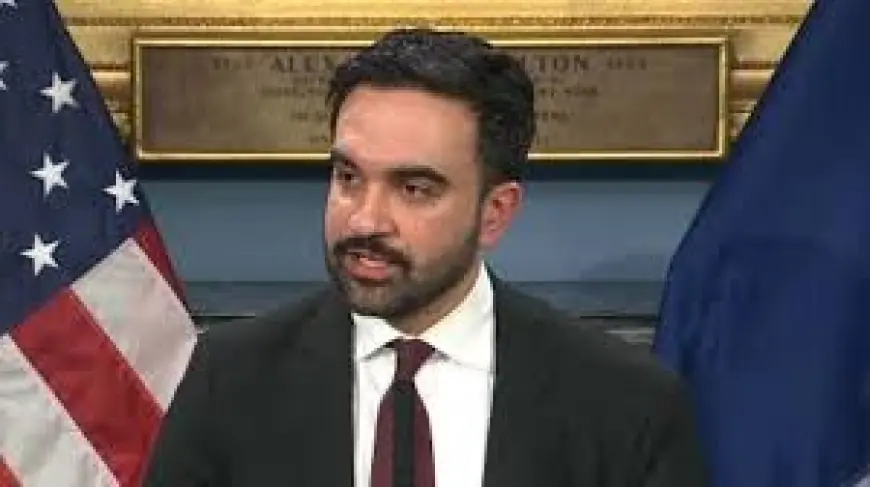
New York City's new mayor put a near‑10 percent property tax increase on the table as a "last resort" while urging state lawmakers to approve a targeted tax on the very wealthy to avert steep cuts and reserve raids in the coming fiscal years.
Proposal, scale and fiscal math
The preliminary budget unveiled by the mayor seeks to close a forecasted shortfall projected to reach $5. 4 billion over two years. The plan totals $127 billion — roughly $5 billion more than the current budget — and relies first on an income tax surcharge on households earning $1 million or more. If that path fails, the administration says it will move to increase property tax rates by about 9. 5 percent.
That proposed increase would touch more than 3 million single‑family homes, co‑ops and condos as well as over 100, 000 commercial properties. City officials frame the property tax option as an emergency lever: costly and politically fraught, but among the limited tools available to municipal leaders without Albany's cooperation.
Albany showdown and political context
The mayor has presented the property tax hike as a pressure tactic aimed at state leadership, urging a statewide income tax adjustment that would shift a larger share of the burden to top earners. He has described the property increase as a fallback that would hurt working‑ and middle‑class households — language that underscores the political risk of pressing the measure.
State leaders have signaled skepticism that a municipal property tax rise is inevitable, suggesting the city could find relief through spending cuts, accounting changes, or additional state cash assistance. The mayor has pointed to recent state advances to the city — including a large allocation for city services — while continuing to press for a broader income tax solution at the state level.
Locally, the proposal has already drawn criticism from elected city officials who wield influence over the final budget. Those officials warn that a property tax increase would be deeply unpopular and could prompt demands for alternative cost‑cutting measures and closer scrutiny of reserves and one‑time fiscal moves in the mayor's plan.
What comes next and the budget timeline
The mayor's budget will be revised through negotiations with the City Council before the city must adopt a balanced budget by the June 30 (ET) deadline. Officials say the initial plan is both a policy statement and a bargaining posture: the property tax option may be reduced or abandoned if Albany agrees to the proposed wealth tax or if other revenue and savings options materialize.
Beyond the headline threat of higher property taxes, municipal leaders are weighing use of reserve funds and potential cuts to city programs if a state‑level solution does not emerge. With the June 30 (ET) deadline approaching, expect an intensifying push from the mayor to secure state action and an equally vigorous defense from city officials focused on minimizing pain for households and local businesses.
The coming weeks will test whether a negotiated compromise can be reached or if the city must pivot to the difficult choices the mayor labeled a "second path" — one defined by higher property levies and drained reserves.