
















colbert: Late Show says network spiked Talarico interview over FCC fears

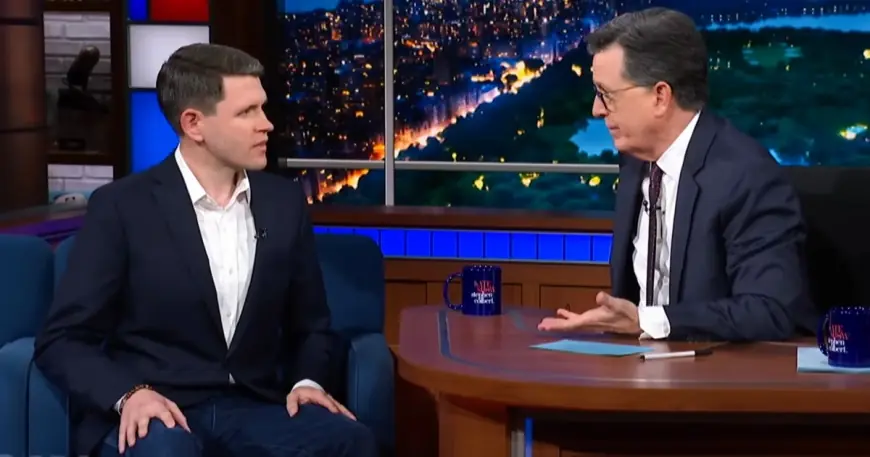
Stephen Colbert opened his Monday night (ET) broadcast by telling viewers that an interview booked for the show had been pulled by the network's lawyers over concerns about a Federal Communications Commission rule. The host said he was also warned not to mention the cancellation on air — a prohibition he promptly defied by making the segment the lead topic of the program and publishing the conversation on the show's online channel.
What Colbert and the guest said
Colbert said the interview's guest, Texas state Representative James Talarico, had been barred from appearing on the broadcast after legal counsel warned the show the segment could trigger the FCC's equal-time obligations. When the on-air slot vanished, Colbert said he was initially told he could not even speak about the change. "Because my network clearly doesn't want us to talk about this, let's talk about this, " Colbert said on air.
The unaired interview, later released online by the program, featured Talarico discussing what he described as an increasingly aggressive FCC approach to political appearances on television. Talarico, who is running for the U. S. Senate, argued the push to police broadcast appearances amounted to a threat to First Amendment protections and accused the administration of trading away free speech guarantees to curry favor with political allies. He also suggested the crackdown was tied to broader political calculations about competitive races in Texas.
Network counsel, equal-time concerns and the administration's response
The show said legal guidance from network counsel warned that airing the interview could obligate the broadcaster to provide equal time to other candidates, including one who had previously appeared on the program. Faced with that possibility, the production opted to post the full interview online and use the broadcast to direct viewers to the online version rather than arrange equal-time accommodations on the linear channel.
The decision has intensified a broader standoff between broadcasters and the regulator. The FCC chairman has in recent months signaled a more assertive posture toward broadcast outlets, renewing attention on enforcement of the equal-time rule and opening formal inquiries into programming that drew complaints. Critics argue the shift amounts to political pressure on journalists and performers; supporters of the tougher enforcement say the agency is merely upholding longstanding rules that ensure fairness in election coverage.
A White House spokesperson issued a harsh statement defending the regulator's actions and criticizing Colbert personally, language that underscored how fraught the dispute has become. At a campaign event in Austin on Tuesday night (ET), hundreds of supporters cheered when Talarico told the crowd the interview was being suppressed by a collusion of the regulator and corporate media executives — an assertion that energized his supporters as early voting opened ahead of the March 3 primary (ET).
Implications for late-night, broadcasters and free-speech debates
The clash raises practical and political questions for late-night and daytime programming. Broadcasters face a choice: air political candidates and potentially trigger equal-time obligations, or exclude candidates and face accusations of censorship. Some shows have sought to sidestep the issue by shifting material to digital platforms where the equal-time rule does not apply, but those moves fuel complaints about uneven access to mass audiences and whether digital redistribution truly remedies the broadcast limitation.
For media executives and producers, legal advice about election-law exposure is now a front-burner issue. For viewers and candidates, the dispute highlights how rules written for a very different media era are being contended over as regulators and political actors test the bounds of broadcast law. Whatever the legal merits, the episode has already become a campaign talking point and a flashpoint in the debate over how politics, regulation and corporate broadcast decisions interact during tightly contested races.
As the primary approaches, the interplay between network counsel, regulators and on-air talent is likely to remain under scrutiny, with more interviews, statements and strategic choices expected to shape the conversation in the weeks ahead.