





















How jesse jackson helped free three US soldiers in 1999, a POW recalls

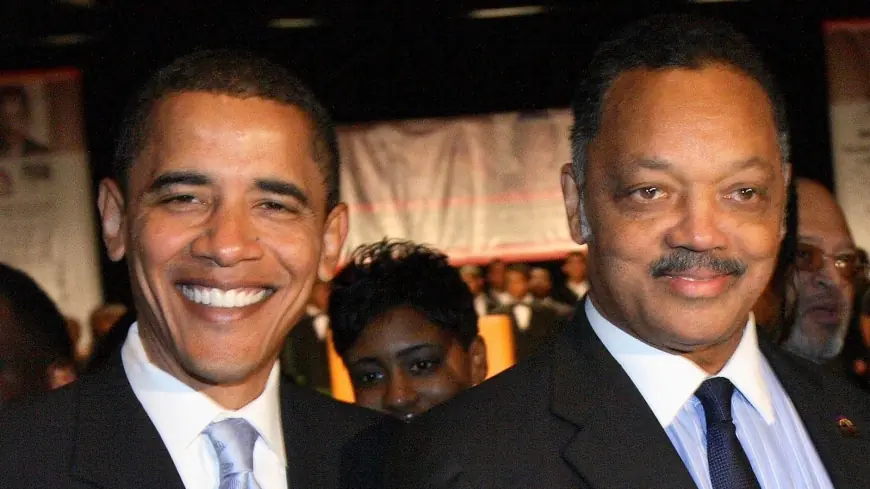
One of three US soldiers held by Yugoslav forces in 1999 says he has little doubt the intervention of the Rev. Jesse Jackson saved their lives. Jackson, who died on Tuesday, Feb. 17, 2026 (ET), pressed Belgrade leaders to release the men during a fraught moment early in NATO’s air campaign over Kosovo.
A dramatic rescue behind the scenes
Sergeant Andrew Ramirez was held for weeks after a March 1999 patrol near the Macedonian-Yugoslav border turned into a brief firefight and the three US servicemen were taken prisoner. Ramirez later described days of dark confinement and interrogation. He says he had no idea that a parallel effort was underway to secure their freedom until the day of their release.
Ramirez remembers being escorted from a holding cell and seeing television cameras and a figure he did not expect: the Reverend. He later joked with Jackson that the scene felt chaotic enough to make it look as if Jackson had been taken captive as well. Ramirez said the moment made clear that someone had been working on their behalf, and that the delegation’s presence directly precipitated their release in May 1999.
The operation was not an official mission of the US government at the time. The soldier recalls that Washington had privately discouraged outside initiatives because military strikes were ongoing, but Jackson and a small delegation—working with an Illinois congressman who had ties to Belgrade—insisted on travelling and securing access to the prisoners. Ramirez says that access was crucial: without a visible and forceful demand, he believes the captors might not have let them go.
Private diplomacy amid public conflict
Jackson’s intervention in 1999 was one of several examples of what he called private or back-channel diplomacy. Over decades, he had travelled to hostile or closed capitals to seek the release of detained Americans and to press for humanitarian outcomes. In this case, his delegation met directly with Yugoslav leaders late in April as NATO bombing continued, arguing that diplomacy could yield a humanitarian result even as military pressure mounted.
Those close to the effort cautioned it was dangerous and warned that the bombing would continue regardless of whether the delegation went forward. Jackson and his allies pushed on anyway, demanding the right to see the prisoners and pressing for their immediate release. Ramirez’s recollection underscores the tangible result of those efforts: three men returned home alive after weeks of captivity.
Remembering Jackson’s broader impact
News of Jackson’s death has prompted reflections from veterans and national leaders who point to both this episode and his decades-long civil rights work. Many emphasize that his willingness to step into volatile situations—whether negotiating for captives or campaigning for voting rights—was consistent with a lifetime of activism that connected the civil rights era to more recent political milestones.
Former and current officials and activists have highlighted how Jackson helped open political space for new generations of leaders and how he combined moral urgency with practical action. Ramirez’s account is one of several personal stories that illustrate Jackson’s hands-on approach: he did not only speak from pulpits or stages, he travelled to meet dictators and negotiators directly, sometimes against prevailing political advice.
For Ramirez and the two other soldiers he served with, that intervention remains a defining memory. "He did it for us, " Ramirez said of the Reverend’s involvement. In the wake of Jackson’s death at 84, that simple assertion captures both the human consequences of his work and the complicated, often controversial, nature of private diplomacy during times of war.
As national conversations continue about Jackson’s legacy, the rescue of three US troops in 1999 will stand as a reminder that his influence extended well beyond domestic politics and into moments where lives were directly on the line.