






















lunar new year 2026: Year of the Fire Horse sparks global celebrations

Communities across continents marked the lunar new year 2026 on Feb. 17, 2026 (ET), greeting the rare Year of the Fire Horse with parades, lanterns, dragon dances and a surge of public and digital tributes. Photographers captured street-level scenes from Beijing to Manila, Panama, Moscow and New York as families, faith groups and civic officials took part in ritual and spectacle.
Street festivals and public pageantry
Early-morning lion and dragon dances spilled into wide avenues and neighborhood lanes alike. In many cities, traditional processions moved through packed streets, punctuated by firecrackers and percussion that built toward crescendos in public squares. In the Chinese capital, preparations were visible days ahead as merchants and temples set up altars and red decorations that are customary for luck and renewal.
Across Southeast Asia and in diasporic communities worldwide, processions blended local customs with lunar new year staples: market stalls with seasonal foods, families exchanging red envelopes, and temple visits that drew worshippers offering incense and prayers for the year ahead. In dense urban centers, municipal authorities coordinated with cultural groups to stage parades that balanced long-standing ritual with crowd management and traffic plans.
Smaller, improvised street displays also punctuated the day. In Panama and Moscow, photographers documented colorful floats and community groups who adapted the holiday’s symbols to local contexts, demonstrating how the celebration has been adopted and reinterpreted far from the festival’s historical origins.
What the Year of the Fire Horse means this cycle
The Fire Horse returns once every 60 years and carries a reputation for intensity and independence. Astrological interpretations circulating this season emphasized traits commonly associated with the sign: passion, drive and a willingness to take risks. Cultural commentators noted that while the Fire Horse is celebrated for its momentum and ambition, some traditional readings also warn of volatility and the need for restraint.
For many celebrants the symbolism of the Fire Horse provided a narrative for planning and resolutions. Business owners, community leaders and families spoke of ambition for new projects and renewed energy for long-term goals. At the same time, many observant participants balanced that fervor with customary rituals meant to temper luck—careful choices about colors, timing and offerings—underscoring continuity between symbolic belief and everyday decisions.
Digital tributes and civic gestures
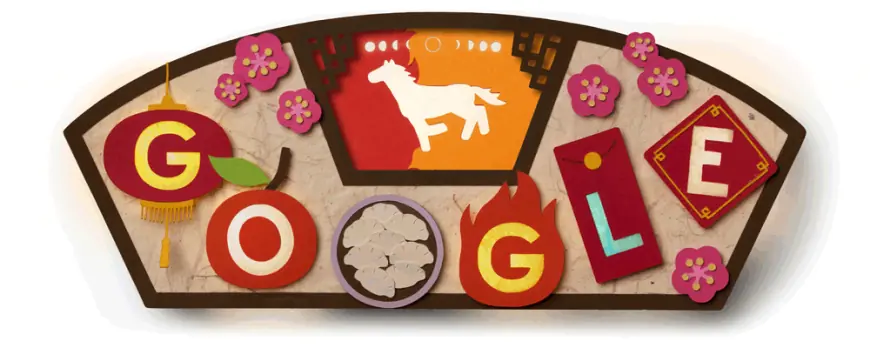
Digital platforms and municipal initiatives amplified the day’s imagery and messaging. Animated tributes and public graphics celebrating the Fire Horse motif appeared across official and community channels, offering stylized interpretations of the animal’s fiery energy. City halls and cultural institutions ran exhibitions and programs that combined performances with educational panels about lunar calendar history and diaspora traditions.
In major global cities, public officials often issued greetings timed for festival events, and community centers followed with concerts, lantern displays and family-friendly workshops. Those civic engagements helped anchor the holiday to local cultural calendars and provided accessible entry points for newcomers seeking to learn about lunar new year customs.
As night fell in many places, lanterns and lights transformed streetscapes into warm scenes that mixed ancient ritual with contemporary urban life. For participants, the holiday was both a moment to honor heritage and a chance to look forward—a blend of memory and momentum that many said captures the spirit people hope the Fire Horse will bring this year.