























Tyra Banks Faces Reckoning in New Docuseries Reappraising America’s Next Top Model

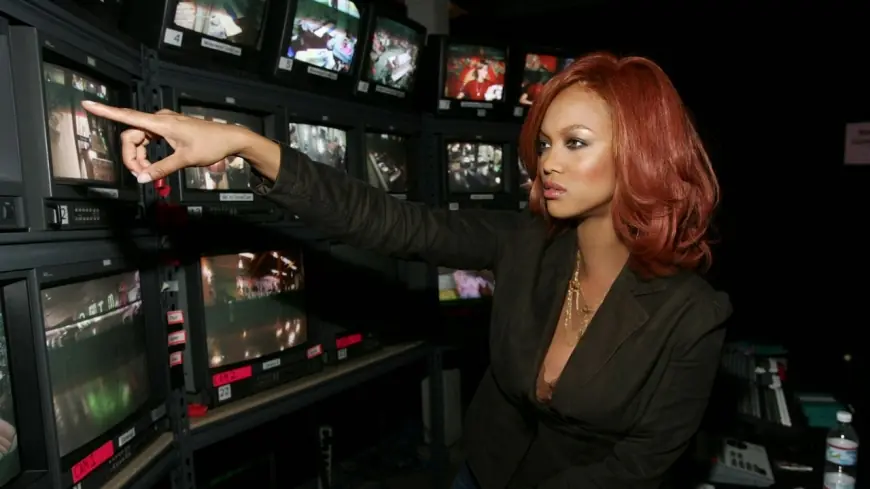
The model-turned-creator and longtime face of America’s Next Top Model finds herself under renewed scrutiny after a three-part documentary that premiered on Feb. 16, 2026 (ET) reopened the show’s archive and aired blunt reflections from former staff and contestants. What was once hailed as a breakthrough platform for diversity is now being widely re-evaluated for a pattern of cruelty and questionable practices behind the cameras.
Viral moments revisited and new revelations
The series stitches together widely seen on-air confrontations with previously unseen testimony, creating a fuller, darker portrait of the show’s culture. One infamous clip — Banks shouting, “I have never in my life yelled at a girl like this!” while confronting a contestant — is reframed as part of a larger pattern of off-camera exchanges that participants say were worse than what aired. Longtime creative staffers and judges, now older and in many cases reflective, suggest production choices amplified humiliation and rivalry for entertainment value.
Beyond on-screen theatrics, the documentary surfaces startling episodes that deepen concerns. Interviewees recount an on-set sexual assault captured on camera, abrupt firings of cast members, and production decisions that pushed contestants into distressing situations. Several former judges and crew members wrestle publicly with their roles, admitting that actions once justified as “tough love” now read as harmful and exploitative. The series also reveals a serious health crisis for a veteran coach, underscoring how the show’s human costs extended long after the final credits.
Complex legacy: opening doors and causing harm
The show’s creator and host is presented in the documentary as a study in contradictions. She is credited with breaking barriers in the modelling world and popularizing techniques and terminology that influenced fashion and pop culture. At the same time, the program’s editing, casting and on-air critiques are shown to have reinforced narrow beauty standards and racial biases, often exposing young contestants to humiliating treatment.
Former contestants weigh both sides. Many acknowledge that the platform offered unprecedented visibility and opportunities, particularly for models from underrepresented backgrounds who had few pathways into major fashion outlets. Yet several participants say those career openings came at significant personal cost. The series highlights moments in which producers and on-air authority figures pressured contestants to change their appearance or accept framing that demeaned them — practices that some say would be considered unacceptable today.
Why the reappraisal matters now
The documentary arrives in an era when audiences routinely re-examine cultural touchstones through a more critical lens, and when calls for accountability around representation and workplace treatment are louder. The program forces a public reckoning with how reality television constructs narratives that can reward confrontation and shame. Contributors in the film urge viewers to see the show’s history as both influential and flawed: a case study in how entertainment can perpetuate damage even while spotlighting talent.
For the creator at the center of the story, the series offers an uneven portrait — one that acknowledges pioneering achievements while pressing for responsibility and change. Former colleagues and contestants suggest the path forward requires more than retrospective interviews: it demands structural shifts in how competitions are produced, how young people are protected on camera, and how power dynamics are interrogated in real time.
As the documentary’s interviews continue to circulate, reactions are likely to shape how this era of reality television is remembered: not solely as a quirky cultural landmark but as a moment that exposed uncomfortable truths about fame, diversity and the ethics of televised transformation.