

























iPhone Fold rumors: What to expect from Apple’s first folding iPhone

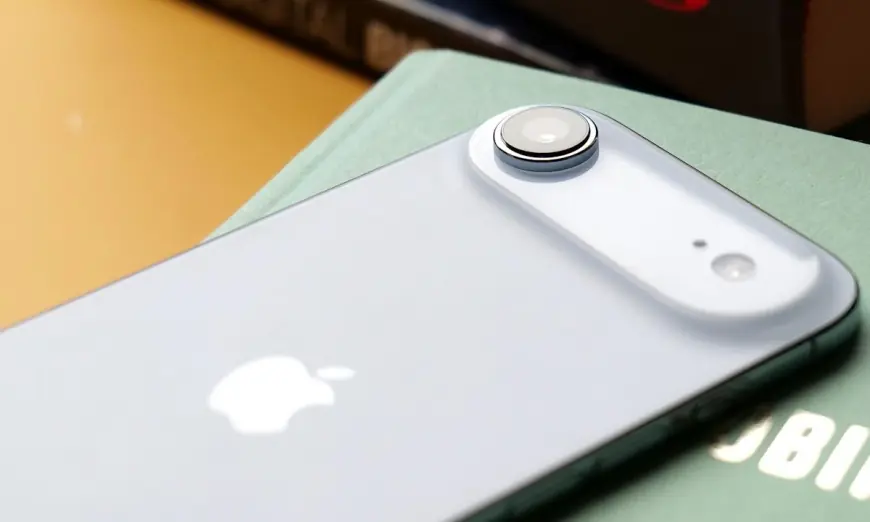
Apple has not announced a foldable iPhone, but recent coverage has crystalized a clear picture of what the device might be. While plans can change, the strongest consensus points to a book‑style foldable slated for late 2026, with design mockups, dimensional leaks and display advances forming the backbone of current expectations.
Launch timing and production risks
Most analysis now places a debut in the second half of 2026, with a likely commercial push in late 2026 and broader availability through 2027 (ET). That timeline reflects a pattern of gradual ramping: prototypes and internal tests in the near term, followed by a timed announcement alongside Apple’s regular fall lineup.
That schedule is not guaranteed. Manufacturing and durability remain potential sticking points, especially for components that must meet Apple’s high standards. Engineers are believed to be focused on hinge reliability and display longevity; any unresolved issues there could push the launch into 2027. Historically, Apple has deferred product launches rather than ship hardware it considers unfinished, so a slip remains plausible if testing uncovers persistent problems.
Design, size and the physical footprint
Current consensus favors a book‑style foldable rather than a clamshell flip. In open mode the device is expected to resemble a compact tablet, roughly in the neighborhood of an 8. 3‑inch slate but narrowing toward a 7. 7–7. 8‑inch internal display in leaked dimensions. When folded, the external screen is expected to act like a conventional smartphone display, estimated around 5. 5 inches.
Leaked CAD files and case‑maker molds suggest Apple’s foldable will be shorter and wider than a standard iPhone when closed, producing a squarer footprint that better matches the inner display’s aspect ratio. Thickness estimates land in a range that would echo a thin iPhone model when unfolded—roughly 4. 5 to 5. 6mm—and climb to just over 9 to 11mm when folded, depending on hinge mechanics and internal stack design.
Design cues from recent thin handset prototypes have circulated as potential previews of how Apple might engineer each half of the foldable. If those thin‑chassis experiments carry over, they could help explain the device’s anticipated compact tablet feel when opened and a relatively sleek profile when closed.
Display technology and supplier setup
The display is widely understood to be the central engineering hurdle. Multiple coverage threads point toward a flexible OLED approach paired with a stiffening support that helps disperse stress across the fold. The goal is a near‑invisible crease and a durable surface that can withstand thousands of folds without visible degradation.
Demonstrations of a new crease‑minimizing foldable OLED panel in early 2026 (CES 2026, January, ET) align with the type of technology Apple would likely prioritize: a flexible organic panel bonded to a laser‑drilled metal support plate that reduces localized bending stress. If this or similar tech is adopted, it could deliver a markedly smoother interior display than early foldable generations offered.
Supply relationships will be crucial. The display supplier landscape for foldables is concentrated, and Apple’s approach typically relies on large, established manufacturers for mission‑critical components. That concentration can simplify integration, but it also ties the device’s timeline to partner yields and production scale‑up.
What remains uncertain is how pricing will shape demand. Early foldables have carried premium tags; Apple may position its first effort as a high‑end, halo product with limited initial availability. Whether that strategy is sustained will depend on manufacturing yields and how quickly Apple can drive efficiencies.
For now, the iPhone Fold is best thought of as an advanced prototype in the final stretch of refinement: familiar in broad strokes but still subject to change. Watch for further hardware leaks and supply‑chain signals through 2026 as the company refines hinge mechanics, display assembly and the overall industrial design ahead of a possible fall launch (ET) late in the year.