























Eurovision 2026: Look Mum No Computer to represent the UK in Vienna

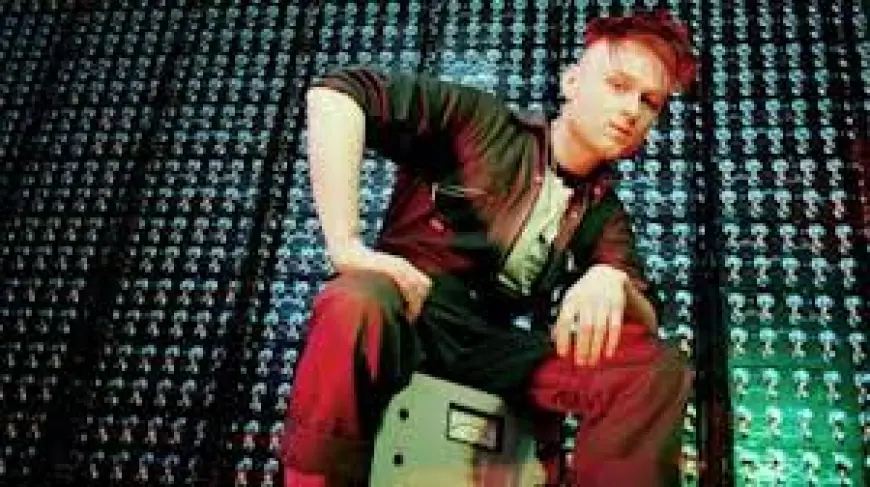
Electronic musician, inventor and online creator Look Mum No Computer has been selected to represent the United Kingdom at the Eurovision Song Contest in Vienna in May 2026 (ET). The Kent-based artist promises a highly produced, gadget-heavy performance and a song that organisers say will break from recent UK entries.
A performer built on invention and internet reach
Look Mum No Computer is the stage name of Sam Battle, a solo artist and songwriter who first emerged as frontman of indie rock band Zibra in 2014. Since launching his solo project he has built a substantial following by documenting the construction of unusual electronic instruments and performing with them live. He holds a world record for building the largest-ever drone synthesiser and has attracted attention for creations including organs made from toy electronics, modified Game Boys, a synthesiser-equipped bicycle and flame-throwing keyboards.
"I find it completely bonkers to be jumping on this wonderful and wild journey, " Battle said. "I have always been a massive Eurovision fan, and I love the magical joy it brings to millions of people every year, so getting to join that legacy and fly the flag for the UK is an absolute honour that I am taking very seriously. "
Battle is also a content creator with roughly 1. 4 million combined followers across his channels. He says he has been "creating, writing, and producing my own visions from scratch, and documenting my process" and that he will "bring every ounce of my creativity to my performances. "
What the UK hopes to achieve in Vienna
The selection structure used by the national broadcaster is internal, with input from industry professionals. The head of entertainment described the pick as a bold move, praising Battle's "unique sound and electric performance style" and calling him an artist who embodies creativity and ambition. Organisers expressed confidence that the act would stand out on the international stage.
The song itself has not yet been released. A national radio DJ who previewed the track suggested it mashes up a range of influences — from high-energy dance anthems to Britpop and synth-pop sensibilities — and likened it to blending elements of Basshunter, Blur's Parklife, Pet Shop Boys and The Human League into a big arena-ready chorus. The same commentator added that this year's approach is intentionally different from past, more conservative UK entries.
For a country that has managed a top-10 Eurovision finish only sporadically in recent years, the choice signals a willingness to experiment rather than revert to nostalgia or safe pop formulas. "We're going to try something different, " the DJ added. "Why not? Let's try something different, and it is different. "
Context and challenges heading into 2026
The contest in Vienna will take place against a backdrop of political and audience shifts. Several countries have announced boycotts of this year's edition, and television viewership across the continent has shown signs of decline over recent contests. Organisers and participating delegations are therefore grappling with how to capture attention in a changing landscape while remaining mindful of the contest's traditional appetite for theatrical, memorable performances.
For Battle, that environment presents an opportunity: a chance to deploy his theatrical inventiveness on one of Europe's biggest stages and to push the UK entry into stranger, more adventurous territory. He has signalled that the staging will be as much about custom-built machines and surplus electronics as it is about the song itself, promising a performance that aims to be both sonically and visually distinctive.
With the UK entry still under wraps and rehearsals yet to begin, questions remain about how international audiences will respond in May 2026 (ET). For now, the decision marks a deliberate gamble — leaning into innovation and internet-era showmanship in an effort to reclaim attention at Eurovision.