
























How to Get to Heaven From Belfast: Lisa McGee’s Witty, Women‑Led Murder Caper Lands with a Bang

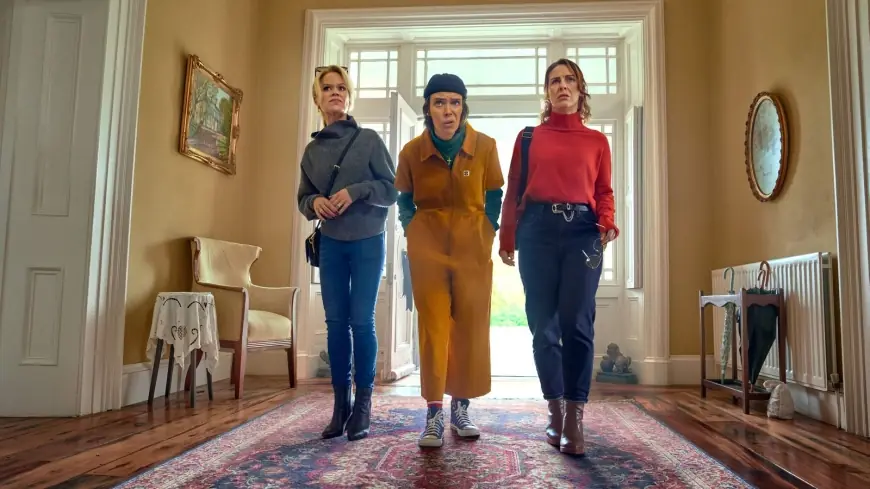
Lisa McGee's latest series reunites the writer’s sharp comic instincts with a twisty murder mystery, centring on three old friends who find themselves pulled back into the past after the funeral of a childhood companion. Early coverage highlights electric performances, a brisk pace and a distinctly local flavour that mixes levity with menace.
Premise, cast and the central mystery
The series follows Dara, Saoirse and Robyn, three women who reconnect at the funeral of their fourth friend, Greta. What is presented to the town as an accidental death quickly feels wrong to the trio, particularly when small but uncanny details at the wake unsettle them. Flashbacks reveal a traumatic night from twenty years earlier – a burning shack, satanic symbols and a shared secret that binds the friends together and may hold the key to what really happened.
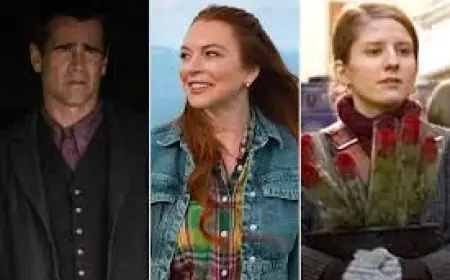
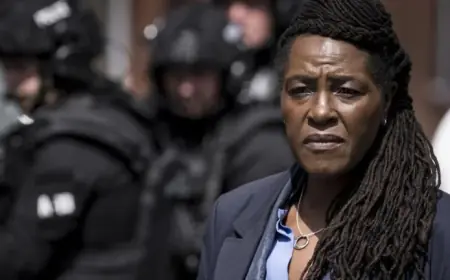
Performances have been singled out in early write‑ups. One lead turns in a performance that critics have called sensational, while a supporting cast injects the proceedings with menace and gravitas. Notable names in the ensemble bring both warmth and threat: the friend who died; a local police chief whose presence complicates the investigation; and a deeply imposing matriarch who looms over small‑town dynamics. The series moves between present‑day investigations and charged flashbacks, allowing the actors to play both the weight of middle‑age and the recklessness of youth.
Tone, influences and the writer’s approach
McGee blends the comic DNA that made her earlier work resonate with a grown‑up appetite for mystery. She has long spoken of childhood obsessions with classic crime storytellers and of making work that feels authentically female‑led and a little messy. The new series leans into that sensibility: sharp, character‑driven humour sits alongside genuine unease, creating a tonal balance that turns small domestic betrayals into high‑stakes emotional puzzles.
Rooted in the writer’s upbringing, the show carries a strong sense of place. Everyday details of life in Northern Ireland – from the ordinary routines of communities shaped by a particular history to the idiosyncratic local gossip and loyalties – are used as texture rather than exposition. That familiarity allows the series to surprise viewers who are new to the setting while rewarding those who recognise the rhythms of such towns.
Reception and what viewers can expect
Critical response has been enthusiastic, with reviewers praising the show’s energy, plotting and the way it uses three women at its centre to propel a crime caper. The storytelling is described as frenetic in the best sense: propulsive, layered and unwilling to let a dull moment linger. Fans of sharp‑edged comedy with a dark undercurrent should find plenty to enjoy, while viewers craving a tightly assembled mystery will appreciate the clues and red herrings threaded through the episodes.
Expect episodes that alternate between laughter and creeping dread, and a finale that aims to reconcile the messy bonds of female friendship with the consequences of secrets kept for decades. The series establishes itself as a distinct piece of work in the writer’s catalogue: it’s playful and defiant, mischievous and serious by turns.
For viewers looking for a mystery that foregrounds women’s lives and friendships while delivering genuine suspense, this series is shaping up to be one of the season’s standout dramas.