























Bombay at the crossroads: access troubles shadow surge in interest over India‑France helicopter plan

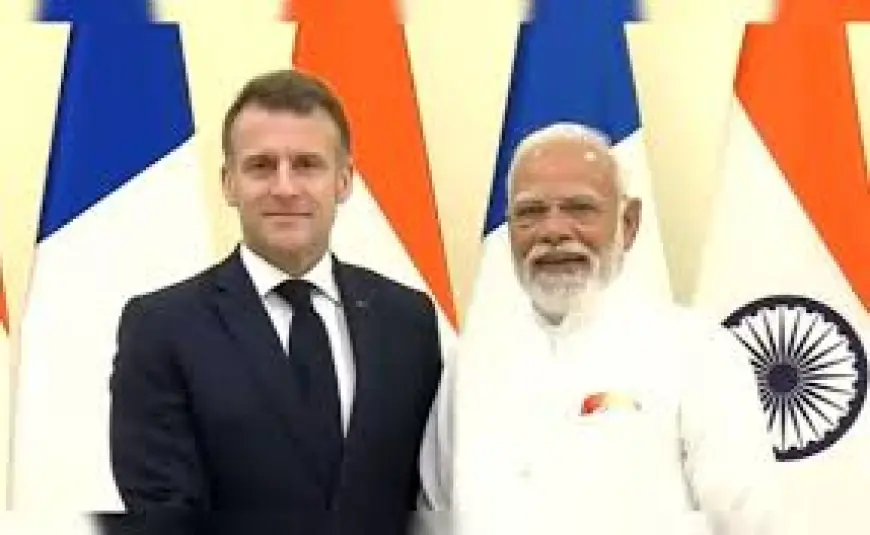
Interest in Bombay has intensified after the announcement of a bilateral effort to develop a helicopter capable of flying to Mount Everest altitudes. At the same time, readers seeking deeper reporting on the topic are encountering access hurdles — from paywall framing described as a "Client Challenge" to an "Access Denied" error flagged as Reference #18. 8ea72917. 1771337042. 4c94ae0 — that curb the flow of information and stoke frustration.
Helicopter deal shines a light on Bombay’s aerospace and film ecosystems
The prospect of manufacturing a high‑altitude helicopter in partnership with a European counterpart has stirred interest in the industrial and creative hubs clustered around Bombay. The city’s long history as a centre for aviation support services, engineering contractors and specialised supply chains positions it to benefit if new production lines or component workshops are established.
For suppliers of precision parts, avionics firms and maintenance, repair and overhaul shops, the project could open new contracts and skills development opportunities. Educational and training institutions in and around the city may see demand for specialist curricula that address high‑altitude aeronautics, while private sector investment could target local engineering clusters.
Bombay’s film industry is also watching closely. Improved helicopter capability for extreme altitudes could ease logistics for location shoots in the Himalayas, enabling filmmakers to capture challenging aerial sequences with greater safety and reliability. Tour operators and destination marketers tied to the region could likewise recalibrate offerings, and the broader travel economy might anticipate changes in access and seasonality.
When coverage is blocked: paywalls and error pages leave readers wanting
Despite heightened interest, a noticeable portion of the public has struggled to access full details on the initiative. Elements of the coverage are framed in ways that emphasise a "Client Challenge, " and at least one access barrier surfaced as an "Access Denied" error showing the reference string #18. 8ea72917. 1771337042. 4c94ae0. These obstacles are complicating efforts to follow developments, evaluate economic implications for Bombay and track timelines for design, testing and production.
The mix of restricted articles and technical access failures raises a wider question about how crucial infrastructure and industrial plans are communicated. When coverage is fragmented or gated, civic debate about urban readiness, workforce development and environmental assessments is harder to sustain. Local stakeholders — from municipal planners to industry associations — need clear, timely reporting to shape responses and investment strategies.
What this means for residents and industry in Bombay
For residents and businesses in and around the city, the immediate impact will depend on where production and testing end up being located. If design centres or manufacturing facilities are sited nearby, the payoff could be new jobs and expanded supplier networks. If the work is offshore or concentrated elsewhere, the city’s role may be limited to service provision and talent supply.
Either way, transparent public coverage will matter. Local media, trade groups and civic institutions can help by pushing for clearer access to project timelines, procurement plans and safety studies. Industry players should meanwhile prepare for potential shifts in demand for specialized skills, while municipal authorities might use the announcement as an impetus to sharpen workforce development and infrastructure planning.
As the story evolves, the interplay between high‑profile defence and aerospace initiatives and everyday access to reporting will shape how quickly and effectively Bombay can capitalise on new opportunities. For now, the dual picture is clear: a technical ambition that could alter supply chains and creative production, and information bottlenecks that risk leaving many observers on the outside looking in.