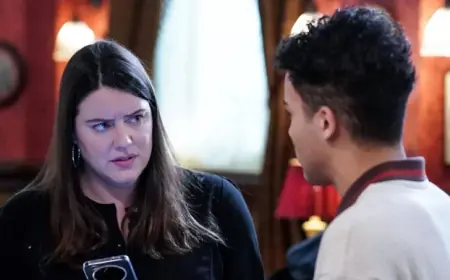

























How to Get to Heaven From Belfast: Lisa McGee’s female-led mystery wins praise

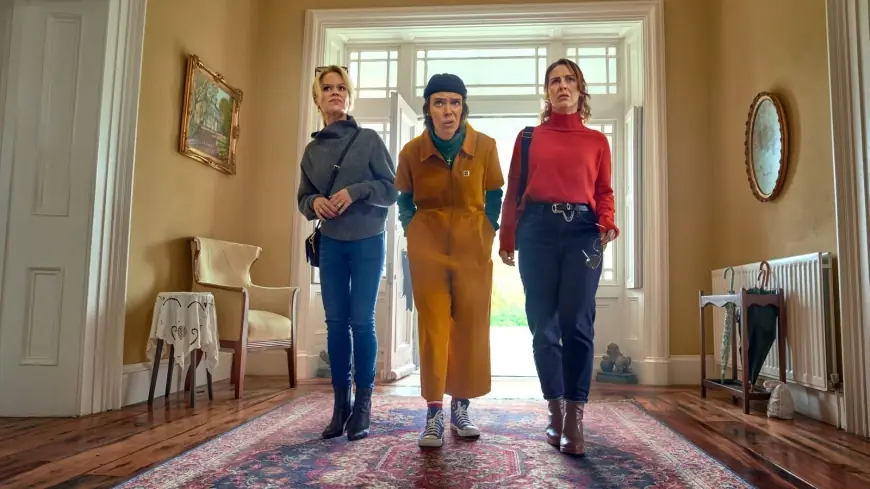
Lisa McGee’s latest series reunites several strands that made her earlier work a cultural touchstone: sharp comic timing, a fierce loyalty to place and a willingness to let darkness peek through the laughs. The new show centres on three middle-aged friends drawn back together by a funeral and a secret that refuses to stay buried, delivering a fast-paced, female-led caper that critics have highlighted for its energy and performances.
Roots, tone and the maker’s touch
McGee carries the voice that established her reputation into this project: a fondness for riotous ensemble scenes, an ear for the rhythms of Northern Irish speech and an inclination toward stories that mix levity with the uncanny. Her storytelling instincts are grounded in childhood theatre-making and memories of life in a city shaped by conflict, elements that give the series its distinctive textures. She has said she’s long loved classic murder-mystery fare and wanted to make one on her own terms—female-forward, messy when it needs to be, and threaded with dark humour.
Plot, performances and critical response
The plot opens with the reunion of three former schoolfriends—Dara, Saoirse and Robyn—who gather for the funeral of their missing fourth member, Greta. What begins as an apparently straightforward wake quickly curdles into suspicion: the body in the coffin lacks a matching occult tattoo that links the four friends to a traumatic incident from their youth. One of the women, a crime-writer by trade, becomes convinced something sinister has happened and rallies the others into an investigation that threatens to unearth long-buried secrets.
Reviewers have singled out the series’ keening combination of comic bravado and propulsive plotting. The momentum rarely flags as the trio chase leads, argue, and revisit a past that still exerts a hold on them. The tone can veer from near-slapstick to genuinely unsettling within the space of a scene, and that volatility is central to the show’s appeal.
Performances are consistently praised across the board. The three leads bring different emotional registers: wry cynicism, brittle urgency and simmering domestic strain. Supporting turns—particularly the menacing local figure who doubles as a spouse and the formidable matriarchal presence—add teeth to the mystery and keep the stakes personal rather than purely procedural.
Why it lands and who it’s for
The series works on several levels. At surface it’s a cracking whodunit that rewards viewers who enjoy puzzling through clues and motives. Beneath that, it’s a character piece about the force of teenage bonds and the ways trauma can ripple decades later. The Northern Irish setting isn’t mere wallpaper: local detail informs character, comedy and conflict, lending authenticity to both the laughs and the darker beats.
Fans of McGee’s previous work will find familiar fingerprints—the exuberant ensemble writing, the fearless mix of heart and bite—while viewers drawn to female-driven mysteries will appreciate how the story keeps the women’s interior lives at its centre. The series’ brisk pace and tonal swings make it an engaging springboard for discussion about friendship, memory and accountability.
As the show continues to circulate among critics and viewers, it appears poised to become another defining entry in McGee’s catalogue: smart, messy and defiantly alive to the particularities of place and friendship.