

























Robert Jenrick named Reform UK's pick for chancellor as Farage unveils top team

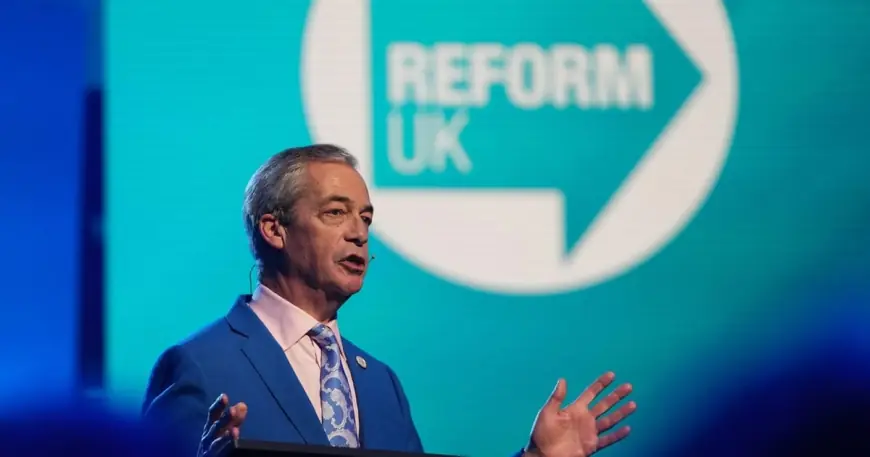
Reform UK has named Robert Jenrick as its choice to serve as chancellor if the party wins the next general election, a move that places a former Conservative minister at the centre of Nigel Farage's bid to present his party as government-in-waiting. The announcement on Tuesday morning (ET) also handed senior briefs to recent Conservative defectors and signalled a sharper focus on immigration, energy and education policy.
Jenrick's role and ministerial background
Robert Jenrick, who left the Conservative Party last month, was elevated above other contenders to become the party's lead on economic affairs. He has previously served as housing secretary and held roles at the Home Office and the health department, including a junior Treasury post as exchequer secretary under Theresa May. Party leaders say Jenrick will outline his economic agenda in a City of London speech on Wednesday (ET), promising plans to cut waste, reduce the benefits bill and lower taxes to restore what he calls economic stability.
His elevation leapfrogs two other figures who had been mooted for the chancellor role — the deputy leader, Richard Tice, and the party's head of policy, Zia Yusuf. Both retained influential positions in the new lineup: Tice was given a combined brief covering business, trade and energy and will serve as deputy prime minister in any future Reform administration, while Yusuf takes the lead on home affairs with a focus on cutting legal and illegal migration.
Policies, personnel and political positioning
Nigel Farage framed the new configuration as a "shadow cabinet" intended to broaden the party beyond a single personality and to counter narratives that Reform is a one-man outfit. The appointments include Suella Braverman — another recent defector — as the party's education and skills lead. Braverman said the party would target getting 50% of young people into trades rather than university, and announced plans to scrap the role of equalities minister and repeal the Equality Act, which provides legal protections against discrimination.
On energy and growth, Richard Tice promised a pivot away from net zero targets, favouring greater use of domestic oil and gas and the creation of a sovereign wealth fund to aid reindustrialisation. Jenrick has pledged to confront what he calls decades of economic mismanagement and to position Reform as a government-in-waiting able to deliver fiscal stability and growth.
The press conference also produced a contentious exchange when a female financial journalist, Anna Gross, asked a two-part question about migration enforcement and the private-school backgrounds of those on the platform. The party leader replied with a sarcastic remark, telling her to "write some silly story, " an intervention that drew criticism from opponents and commentators who described it as dismissive and patronising.
Reaction and political fallout
Opponents were quick to characterise the line-up as recycled ministers returning to frontline politics and warned that previous records in government would be under renewed scrutiny. Labour figures highlighted the ministerial pasts of the defectors and argued those who had served in earlier administrations should not be entrusted with running critical departments again. Trade unions raised alarms about repealing equality protections, warning that removing the Equality Act would expose workers and minority groups to discrimination.
Reform's decision to dub its team a "shadow cabinet" is also a direct challenge to established political norms: the official opposition is entitled to an official shadow cabinet that mirrors government departments, but Reform's polling strength has emboldened it to present an alternative power structure. With the party consistently polling strongly since last spring, the new appointments are likely to sharpen debates about migration, the economy and the country's climate and education agendas ahead of the next election.
For Robert Jenrick, the move represents a rapid rise within a party seeking credibility on economic matters. Whether his appointment reassures markets and voters worried about fiscal competence, or reinforces scepticism about recycled politicians, will be tested in the coming weeks as he outlines concrete fiscal plans in London (Wednesday, ET) and as opponents continue to probe the record of Farage's top team.