

























Pam Bondi’s Testimony Sparks Backlash as Justice Department’s Epstein File Release Draws Criticism

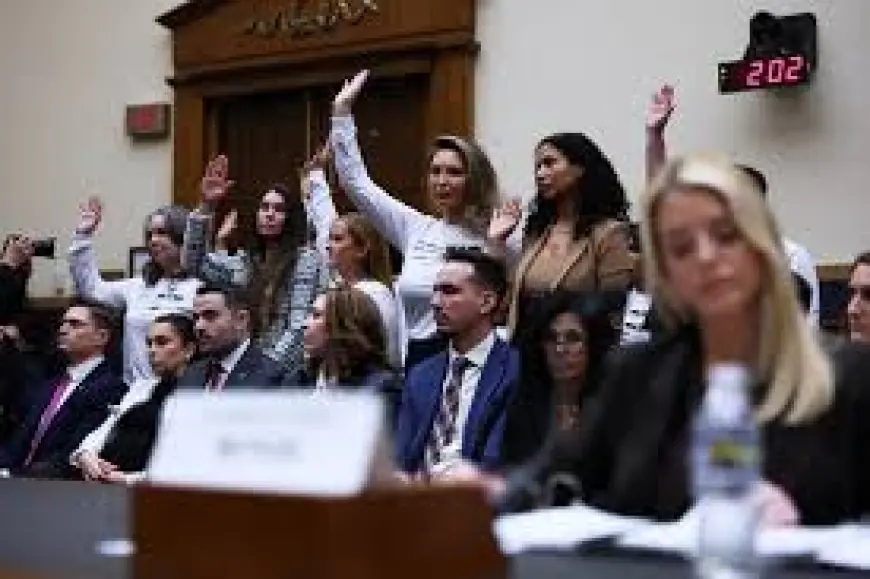
Attorney General Pam Bondi’s appearance at a congressional hearing this week intensified scrutiny of the Justice Department’s release of documents tied to Jeffrey Epstein, as victims in the gallery and members of Congress condemned both the handling of sensitive material and Bondi’s conduct on the record.
Heated hearing punctuated by taunts and refusals
The hearing unfolded in a tense atmosphere, with survivors of Jeffrey Epstein sitting in the gallery seeking answers and accountability. When asked to apologize for the department’s handling of the files, Bondi declined and shifted the focus, demanding an apology to President Trump. The exchange included sharp personal barbs directed at members of the panel. Bondi labeled the ranking member a “washed-up, loser lawyer” and mocked other lawmakers who had pressed for transparency as failed or ineffectual. At one point she interjected an unrelated boast about the Dow Jones industrial average surpassing 50, 000 points, a remark that many observers found jarring given the subject at hand.
Survivors in attendance expressed disbelief and anger at the tone of the testimony. For many, the hearing was meant to provide clarity and some measure of respect after years of painful public scrutiny; instead, it became a flashpoint for renewed frustration over how sensitive material has been treated.
Botched document release reignites privacy concerns
The Justice Department’s public dissemination of Epstein-related records has been characterized by both delay and error. Officials had long control over the documents before finally making them available, but the rollout has been criticized as a series of missteps. The department was charged with balancing transparency against protecting victims’ privacy, safeguarding ongoing investigations and considering national security concerns. Instead, multiple unredacted images—some containing nude photographs of young women who may have been minors at the time—were posted to the department’s website, an outcome survivors called devastating.
Lawmakers who forced the release said a substantial portion of the materials remain heavily redacted. Members who reviewed the unredacted files noted that roughly 80 percent of the content remains concealed, including redactions that obscure the identities of several wealthy, prominent individuals. The Justice Department has not offered a clear public rationale for many of those redactions, which has intensified suspicions that the process favored protection of elite reputations over survivor privacy and public accountability.
Survivors and advocates argue the mismanagement amounts to a secondary victimization. One survivor who testified about her experience with Epstein’s circle said it is difficult to imagine a more egregious way of failing to protect people who were already harmed by exploitation and institutional neglect.
Political and institutional fallout
The episode has widened partisan and cross-aisle tensions. Some lawmakers who played roles in securing the documents’ release have defended the move while questioning why so much remains redacted. Others have demanded explanations for what they view as inconsistent or selective transparency. The political optics of the hearing—marked by personal insults and what some called performative deflection—have complicated efforts to focus on substantive reforms to document-release protocols and victim protections.
Calls are growing for a review of the department’s procedures governing the release of sensitive material, including new safeguards to prevent inadvertent exposure of private images and clearer standards for when and why identities are withheld. Advocates say such reforms are essential to restore trust with survivors and to ensure that future disclosures do not compound past harms.
For now, the hearing left many questions unresolved: why the department delayed release for months, how such a large set of unredacted images was posted, and why certain redactions were maintained. Those unanswered questions are likely to propel additional oversight and further scrutiny of the Justice Department’s practices in the weeks ahead.