
























Tell Me Lies to End After Season 3: Showrunner Says Series Reached Its Natural Conclusion

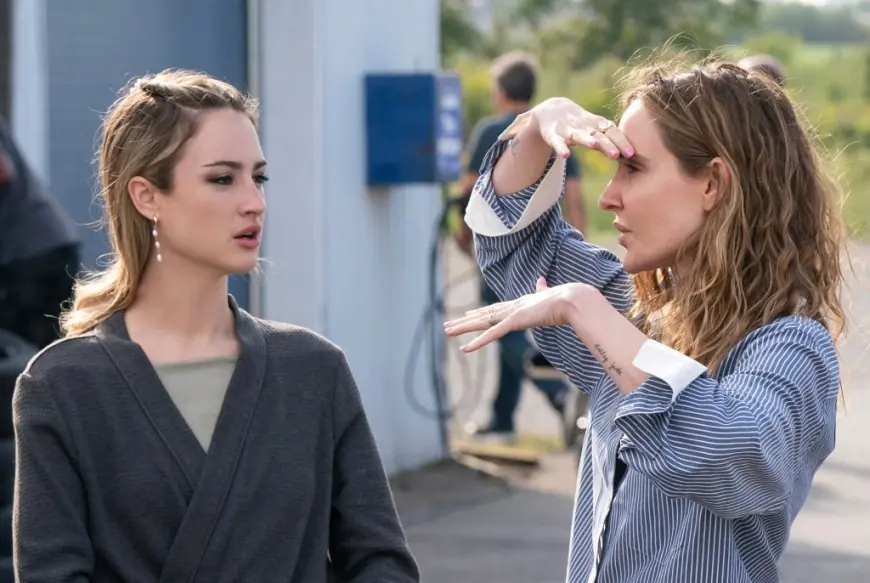
The buzzy coming‑of‑age drama Tell Me Lies will not continue past its third season. Showrunner Meaghan Oppenheimer confirmed that the Season 3 finale on Monday, Feb. 16 (ET) serves as the series finale, saying the story has reached a natural stopping point and that the writing team had this ending in mind from the start.
Why the show stops here
Oppenheimer framed the decision as a creative choice rooted in story logic rather than a premature cancellation. She explained that the characters’ trajectories — most notably Lucy Albright — move beyond the college setting that has been central to the series’ voice and structure. With characters graduating and dispersing to different paths and places, the original connective tissue that held the ensemble together would have been difficult to preserve without fundamentally reimagining the show.
“My main goal has always been to protect the quality of the show and give you the best experience I can give you, ” Oppenheimer said, adding that the writers briefly explored whether there was another organic way to continue the story but ultimately concluded the arc was complete. She described three seasons as the ideal length to give the series a beginning, middle and end while avoiding a stretch that could weaken its impact.
Cast reactions and what the finale ties up
Cast members have responded with a mix of gratitude and bittersweet relief. Lead actor Grace Van Patten, who plays Lucy, called the ending “bittersweet” and expressed appreciation for being able to perform an entire, intentional arc over three seasons. The core ensemble — whose roles include a circle of friends entangled in toxic relationships and manipulations — were invested in leaving the characters’ journeys on a note that felt honest to the show’s themes.
The series follows Lucy and Stephen DeMarco through an on‑again, off‑again relationship that increasingly reveals dark secrets and psychological manipulation, dragging friends like Bree, Pippa, Diana, Wrigley and Evan into the fallout. The final episodes aim to offer closure for those strands while preserving the messy, uncomfortable truths that made the show resonate with viewers.
What this means for the future — for cast, crew and viewers
Oppenheimer framed the decision to end the series as a privilege: the ability to write an ending and walk away while the show is still strong. She emphasized that insisting on a forced fourth season would risk delivering something that no longer felt like the same story, and that protecting the show’s integrity outweighed the temptation to keep going purely because of a devoted audience.
For the cast, the wrap is also a launching pad. With characters moving beyond the university setting, actors now have the chance to take on new projects and interpretations that aren’t tied to the show’s original framing device. Oppenheimer hinted that she and her team are already considering new storytelling projects, though she did not share specifics.
Fans who hoped for a prolonged run will have to take solace in a closed, carefully plotted narrative rather than indefinite serialization. The creative team’s choice underscores a growing trend among contemporary TV creators to plan limited, satisfying arcs rather than extend stories until creative momentum stalls.
On Monday, Feb. 16 (ET), viewers will see the finale that Oppenheimer and her writers designed as the intended conclusion. For many, it will mark the end of a tense, sharply observed portrait of toxic intimacy and its ripple effects among young adults trying to find themselves — and, for the creative minds behind the show, the end of a story told on their own terms.