

















Daryl Hannah Portrayed in ‘Love Story’: Dree Hemingway’s Letter and Jackie O. Tension Take Center Stage

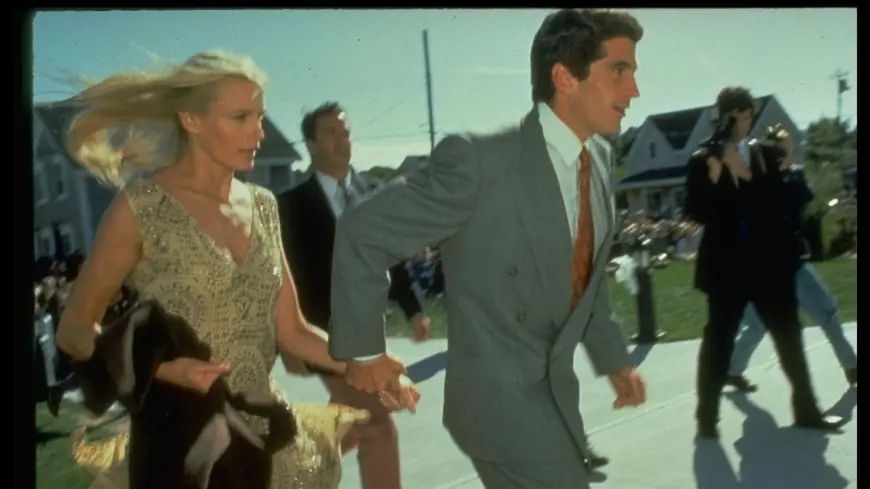
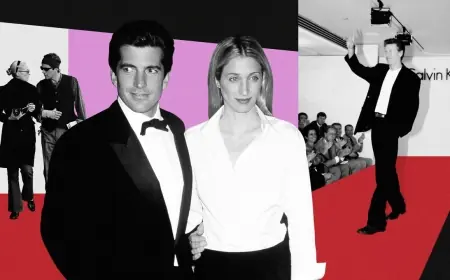
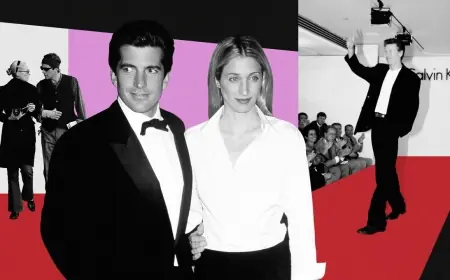
FX’s nine-part dramatization of John F. Kennedy Jr. and Carolyn Bessette’s romance places Daryl Hannah squarely in the narrative, casting the actress as a brief but combustible presence in JFK Jr. ’s love life. The series, which debuted Thursday, Feb. 12, with three episodes available and new chapters rolling out Thursdays at 9 PM ET, explores Hannah’s on-again, off-again relationship with Kennedy and the social frictions that swirled around it.
Dree Hemingway’s ‘love note’ to Daryl Hannah
The role of Daryl Hannah is played on screen by Dree Hemingway, who has publicly described a personal gesture she made before taking the part. Hemingway — whose family has ties to Hannah through her mother — says she wrote what she called a "love note" to Hannah expressing admiration and gratitude for the chance to portray her. Hemingway framed the missive as a tribute rather than a request, noting she had no expectation of a response but wanted to convey "how much I appreciate her as a woman, as an actress, and what an honor of my life this has been. "
Hemingway also acknowledged the peculiar challenge of stepping into a role that stands in for a living, recognizable figure. The production team leaned into dramatization where historical record is thin, crafting a portrayal shaped by research, script choices and performance rather than presenting a definitive reconstruction of private moments. Hemingway described the opportunity as "an incredible and iconic shoe to fill, " and has spoken of wanting, at some point, to meet Hannah in person.
On-screen friction with Jackie O. and narrative choices
The series compresses and reframes episodes from the public record to keep the story propulsive. The initial chapters leap through moments in the pair’s courtship, and those editorial decisions shape how viewers see Daryl Hannah’s role. Early on, a tabloid snapshot of Kennedy with Hannah prompts Carolyn Bessette’s unease in the dramatized narrative, a moment that sets the stage for jealousy, reconciliation and public scrutiny.
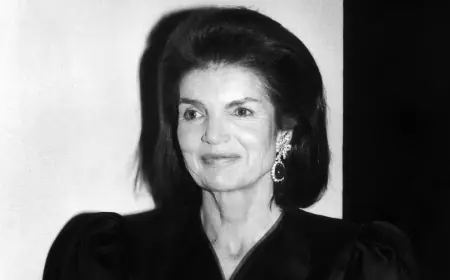
A dinner sequence places Hannah at the center of a family scene that exposes ticklish dynamics beneath a polite surface. In the dramatization, Hannah leaves a gathering at Jackie Kennedy Onassis’s residence after learning the former first lady would be dining alone and not feeling well. On the street, Hannah challenges Kennedy with a question about why his mother might disapprove, saying, "Have you ever asked yourself why your mother doesn’t like me?" The line serves as a narrative hinge, signaling real emotional stakes even as the show acknowledges it compresses and fictionalizes private rhythms the public was never privy to.
The series also addresses darker, real-life events that intersect with personal drama. A depiction of Jackie’s collapse and subsequent health struggles appears in the early episodes; the show traces her decline, noting the diagnosis that would later be identified as non-Hodgkins lymphoma and memorializing her passing on May 19, 1994, at age 64. Those moments are handled as part of the larger portrait of a family under the glare of public fascination.
Legacy, fidelity and the limits of dramatization
Producers and writers behind the project lean into the idea that not every moment can — or should — be rendered as literal truth. The on-screen Daryl Hannah is drawn with affection and curiosity, a figure whose celebrity complicates her private relationships and whose presence forces a famed family to wrestle with image, expectation and loyalty. Viewers watching the early episodes see a shorthand for a complicated history: flashes of glamour, tabloid flashes and the intimate bewilderment of people trying to balance desire with duty.
For Daryl Hannah, the renewed attention comes as yet another chapter in a long public life that has included breakout film roles, high-profile relationships and a reputation for both independence and mystery. The series does not claim to settle debates over motive or memory; instead, it offers a dramatized exploration of how celebrity, family and romance collided in a moment that still fascinates decades later.