








Reality Check review: Tyra Banks comes across badly in sobering exposé

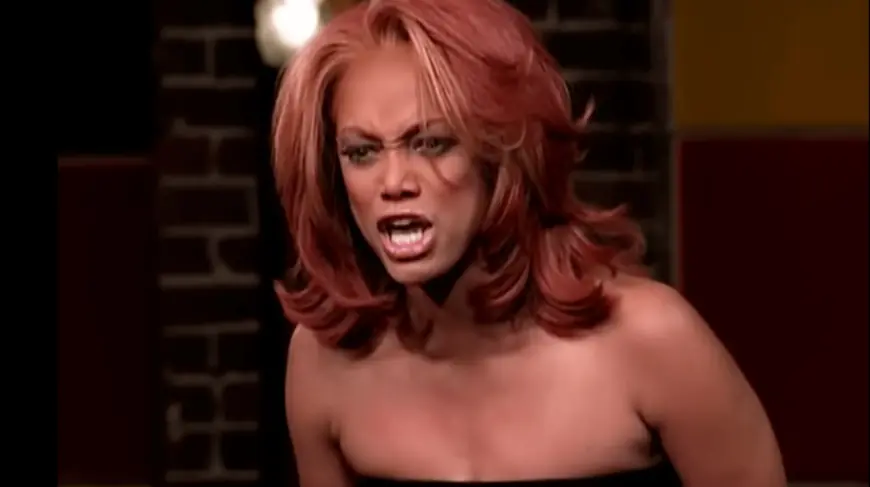
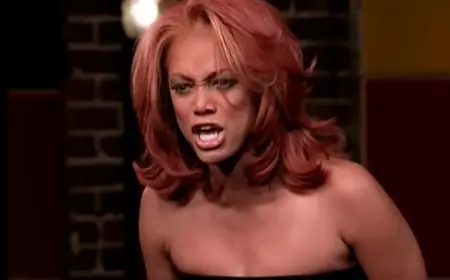
The three-part documentary revisits the rise and fall of a 2000s reality juggernaut and offers remarkable access to its creators, judges and dozens of former contestants. What emerges is a damning catalogue of body-shaming, humiliating challenges and contested production choices — and a central figure who, at times, struggles to reconcile her stated intentions with the show’s harm.
Extraordinary access, uneven execution
The film gains unusually candid interviews with the series’ host, core creative team and many former contestants, which should have produced a tight, powerful reckoning. Instead, the documentary stretches to three hours with breathless editing that often undercuts its own evidence. Flashy, TikTok-style cuts and a scattershot pace dilute the emotional weight of key testimonies, denying the film the focused impact it could have had as a shorter feature.
Interviewees repeatedly frame the original programme as both trendsetting and damaging: it popularised fashion catchphrases and manufactured viral moments, but it also normalised invasive judgments and on-camera humiliation. Several members of the production acknowledge missteps, yet the film shows uneven levels of accountability among those who ran the show.
Toxic practices on screen: body-shaming and dangerous stunts
The documentary lays bare examples that make for deeply uncomfortable viewing today. Contestants were weighed on camera and subjected to scathing commentary about their bodies. One alum who was celebrated by the host for being cast later recounts public ridicule about her figure. A themed photoshoot cast a woman in the role of an elephant, an instance that viewers see as grotesque and dehumanising rather than playful.
Other segments highlight ethically fraught creative decisions. A contestant was pressured to close a gap in her teeth under threat of elimination; another was asked to pose with a simulated bullet wound that reopened a real, traumatic family history. Production figures concede some shoots were mistakes or ill-judged celebrations of violence, yet those acknowledgements sit alongside interviews in which responsibility is minimised or redirected.
The film also foregrounds how many contestants arrived on the show from precarious circumstances and were led to believe it would be a ticket to a better life. Instead, numerous former participants describe feeling manipulated, coerced, or publicly shamed — harms that the series suggests were often rationalised as entertainment or tough love.
Contrition, deflection and an incomplete reckoning
Many of the judges and staff on camera express remorse or new awareness about how the show aged badly by 2026 standards, yet accountability is inconsistent. Some senior figures offer contrition; others dismiss troublesome episodes as production territory or mistakes not worthy of deeper responsibility. The host presents a narrative of diversification and empowerment, but the documentary repeatedly shows that the show simultaneously upheld abrasive industry norms.
Perhaps most unsettling is an episode the film frames as especially troubling: a recounting by a contestant of a trip abroad that the documentary treats as a stark example of the environment contestants sometimes found themselves in. The series makes clear that cries for help and expressions of distress existed at the time, and that many participants felt pressured into choices that harmed them.
As a piece of cultural archaeology, the documentary succeeds in compiling a striking record of what the series did and how it affected people. Yet its broad access and clear revelations are hampered by uneven storytelling and incomplete follow-through on accountability. The result is less a definitive exposé than a necessary, if flawed, prompt for further scrutiny of an era of television that once thrilled millions.