





















Reality Check: Tyra Banks Cast in a New, Unflattering Light

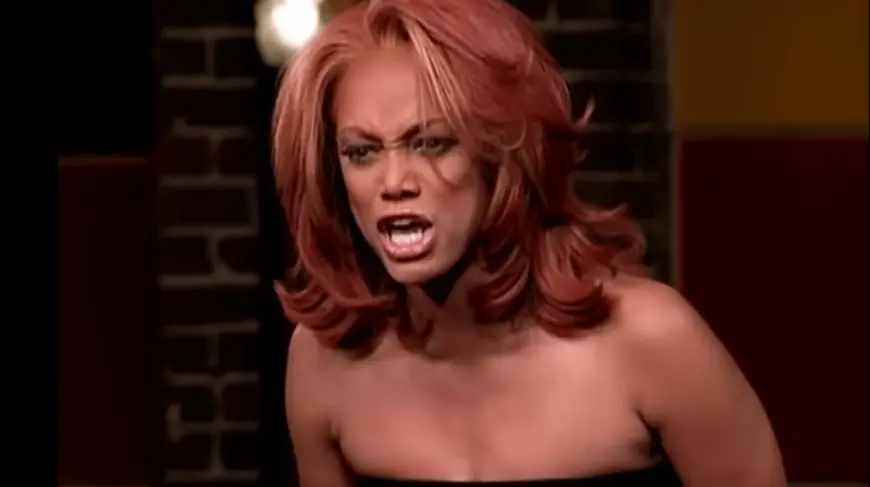
The new three-part documentary Reality Check: Inside America’s Next Top Model returns viewers to the shock-and-awe era of early-aughts reality television and places its most famous architect, Tyra Banks, at the centre of a debate about exploitation, image and responsibility. With striking access to former judges, producers and dozens of contestants, the series revisits the show’s most infamous moments—many of which now read as cruel or exploitative.
Close access, uncomfortable revelations
The documentary brings together interviews with Banks and many of the show's long-time collaborators and on-screen personalities. That access yields vivid recollections: contestants describe being weighed on camera, criticised for their bodies and pressured into aesthetic changes that left lasting emotional scars. Scenes once consumed as appointment television—extreme makeovers, themed photoshoots and sharp-tongued critiques—are reframed as instances of humiliation and coercion.
Several accounts stand out. A contestant named Giselle recalls being mocked for her body shape; a safari-themed shoot forced a larger model into an elephant role. Another contestant, Dani, says she faced intense pressure to have a tooth gap closed or risk elimination. Dionne describes being asked to pose as a violent crime victim despite a family history of real trauma. Producers acknowledge missteps; one admits a violent-themed photoshoot was a regrettable error, but many former participants say apologies have felt insufficient.
For viewers who grew up with the program’s catchphrases and viral moments, the series recontextualises those cultural touchstones—turning memes and shorthand into reminders of how entertainment can normalise harsh treatment under the guise of “tough love. ” Contestants who came to the show hoping for a route out of financial hardship say they were often steered into situations that prioritised spectacle over welfare.
Creators, contrition and the limits of explanation
On camera, Banks positions herself as a pioneer who widened doors in fashion, celebrating diversity and inventing phrases that entered pop culture. At the same time, the documentary surfaces tensions between that stated mission and the programme’s execution. Some collaborators offer contrition and distance from particular creative choices; others remain defensive. One executive characterises a tasteless shoot as an isolated mistake, while a creative director recounts feeling frozen out after expressing discomfort, describing the split as painful and isolating.
The series also turns a critical eye on production choices: what felt like high-concept television two decades ago now reads as manipulative editing and manufactured drama. Contestants describe being pushed into decisions at emotionally fraught moments—some recounting pressure to alter their bodies or accept storylines that exploited personal trauma. Judges and staff who appear on screen provide varying degrees of apology or explanation, but many former contestants say those responses stop short of accountability.
Beyond the individual stories, the documentary argues that the programme’s influence on fashion and culture was more limited—and more damaging—than its creators claimed. While it popularised certain aesthetics and terminology, it failed to shift industry practices in any meaningful, lasting way and often reinforced narrow standards of acceptability masked as innovation.
For viewers revisiting the series now, the documentary offers a mixture of catharsis and frustration. Its editing choices and pacing occasionally undermine the power of its testimony, stretching material over three hours in a way that sometimes dilutes rather than deepens the impact. Still, the personal accounts shared here—of shame, manipulation and regret—make a persuasive case that the show’s production model deserves scrutiny and that the emotional costs to its participants were real and consequential.
Whatever one's view of Banks’s intentions, Reality Check forces a reckoning: the cultural currency once earned by theatrical critiques and viral put-downs now comes with an ethical price that contestants are asking to be recognised and addressed.