














JFK Jr.: How 'Love Story' Is Reigniting 1990s Style and Sparking Family Pushback

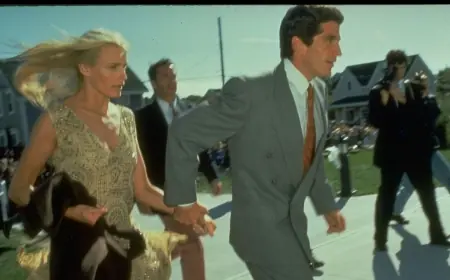
Ryan Murphy’s dramatization of John F. Kennedy Jr. and Carolyn Bessette Kennedy has done more than retell a high‑profile romance cut short by tragedy: it has sent fashion commentators backward to a specific 1990s minimalism while provoking renewed debate over who owns the Kennedy story. The series’ premiere run landed in mid‑February, with episodes 1–3 debuting on Feb. 12 and new chapters now arriving weekly on Thursdays at 9 p. m. ET.
Carolyn Bessette Kennedy’s look returns to the runway
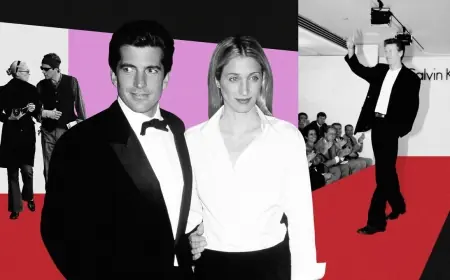
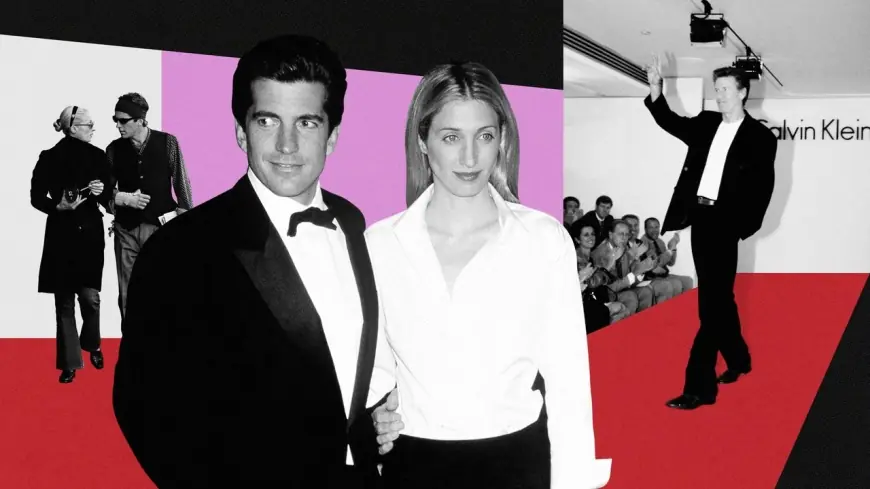
The show's meticulous costume work has been credited with reviving interest in the restrained, no‑nonsense aesthetic associated with Carolyn Bessette Kennedy and the Calvin Klein era she inhabited. That revival dovetailed awkwardly with a recent Calvin Klein runway presentation: the series reanimated the brand’s 1990s staples—slip dresses, pencil skirts, stark white shirts—while the fashion house’s creative director chose to mine the late ’70s and early ’80s instead of leaning fully into the decade the show celebrates.
The juxtaposition illuminated how pop culture can reshape brand territory. Designers and buyers watch what viewers and social feeds embrace; when a high‑profile drama reintroduces an iconic look, knockoffs and capsule collections follow quickly. For some, the show’s clothes felt like an authentic tribute to a quietly magnetic personal style. For others, the timing raised questions about creative ownership: if a streaming drama reboots a look, what does that mean for a legacy label that has evolved through multiple creative directors and eras?
Fact, fiction and family friction
The series does not confine itself to wardrobe work. Its narrative blends well‑known public moments with intimate recreations that have prompted scrutiny and, in one high‑profile case, anger from a family member. A descendant of the family publicly criticized the dramatization as exploitative, arguing that profit is being made from a private tragedy. The showrunner’s comments in response intensified the dispute, turning a creative clash into a public dispute about stewardship of memory.
Alongside the controversy, observers have checked the show’s portrayals against historical accounts. Several scenes draw on documented incidents: the couple’s well‑publicized cremation after their 1999 plane crash is part of the series’ framing, and a recreation of a teenage robbery echoes an episode from the mid‑1970s. The dramatization also includes a sequence of Jacqueline Kennedy Onassis disposing of personal letters in a fireplace—a detail that aligns with biographical accounts describing her deliberate efforts to limit what remained of her private correspondence.
These intersections of dramatized intimacy and verifiable history explain why viewers and commentators are parsing each episode closely. Some argue the series humanizes figures who are otherwise mythologized; others contend that reenactment risks flattening complex lives into tidy narrative beats. Either way, the attention has amplified both the show’s cultural reach and the stakes around representing a family whose public image has long been fiercely managed.
Where the story goes from here
With new episodes airing weekly, the series’ influence is likely to ripple further—through fashion, conversation and commerce. Designers may continue to reinterpret the show’s silhouettes, while critics and relatives will keep debating its choices about what to dramatize and what to preserve. For viewers, the show is offering a renewed look at a couple whose lives were shaped by fame and who remain, decades later, touchstones for questions about privacy, taste and the costs of cultural mythmaking.