
























Chinese New Year 2026: Year of the Horse ushers in global celebrations and modern twists

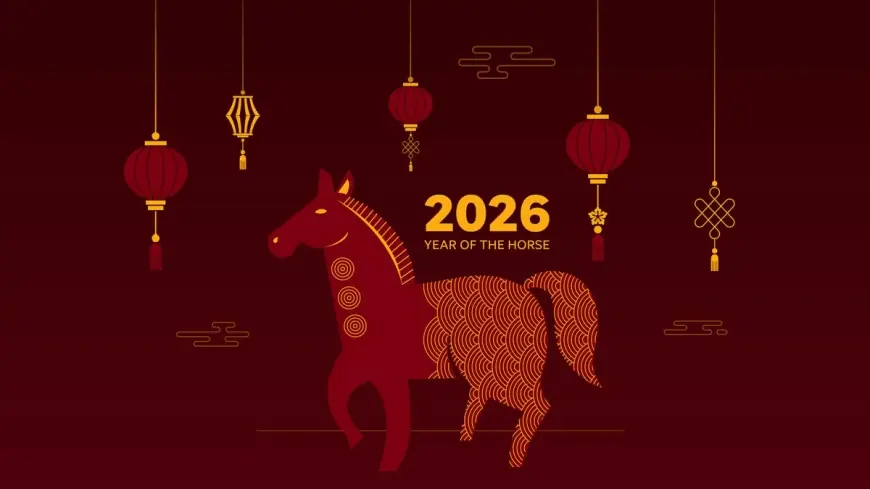
Chinese New Year 2026 begins on Feb. 17, 2026 (ET), marking the start of the Year of the Horse and triggering two weeks of ceremonies, public holidays, and community events around the world. From incense-filled temple courtyards to futuristic stage productions featuring humanoid robots, the holiday blended time-honored rituals with high-tech spectacle as communities welcomed the lunar new year.
Rituals, reunions and parade routes
Preparations for the festival followed familiar patterns: homes were cleaned to sweep away last year’s misfortune, spring festival couplets and red lanterns were hung, and families gathered for the reunion dinner on New Year’s Eve. The 15-day celebration officially runs into early March, concluding with the Lantern Festival on March 3, 2026 (ET). Many workplaces observed a weeklong public holiday through Feb. 23, 2026 (ET), enabling extended family travel and regional festivities.
Across cities and towns, people attended temple rites and made offerings. Early-morning ceremonies included the solemn tolling of temple bells and the lighting of incense sticks to honor ancestors and seek blessings for health and prosperity. Street-level events ranged from dragon and lion dances to martial arts demonstrations, while outdoor countdowns and fireworks displays drew crowds in major urban centers. Communities outside East Asia — from Chinatowns in Latin America to public squares in Europe — staged parades and cultural programs, underscoring the holiday’s global reach.
Tradition meets technology
Alongside customary ceremonies, the celebrations showcased an embrace of modern entertainment and technology. Gala programs featured choreographed performances that integrated humanoid robots with child performers in martial arts sequences, highlighting advances in robotics and artificial intelligence. Light shows animated bridges and skyscrapers in some capitals, synchronizing visuals with fireworks and live music. These high-profile productions illustrated how contemporary spectacle has become part of lunar new year programming, even as many participants maintained traditional observances.
Outlook for the Year of the Horse
The Year of the Horse is commonly associated with movement, independence and forward momentum in the zodiac cycle, and outlooks shared around the holiday emphasized themes of travel, career activity and social connection. Community elders and feng shui practitioners offered guidance on preparations and small rituals intended to welcome good fortune for the coming year, echoing longstanding advice to close out old debts, refresh living spaces and gather with family. For many, the new year represents both a moment to honor continuity and an opportunity to embrace change.
As festivities wind down toward the Lantern Festival, organizers and participants alike reflected on a holiday shaped by a mix of reverence and reinvention: temple courtyards filled with incense and offerings, city skylines lit by laser shows, and stages where traditional art forms met cutting-edge machines. The result was a vivid, plural celebration of Chinese New Year 2026 that reached well beyond regional borders and into new cultural and technological territory.