

















‘Love Story’ Reimagines JFK Jr. and Carolyn Bessette’s Brief, Tragic Romance

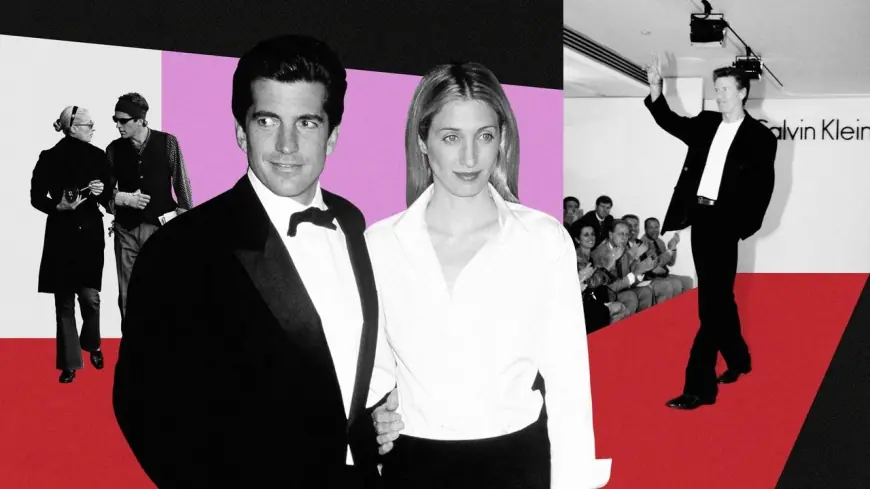
Ryan Murphy’s new anthology series returns to a familiar terrain: celebrity, style and the corrosive glare of the press. The first installment dramatizes the relationship between John F. Kennedy Jr. and Carolyn Bessette, opening on the day the couple died and then tracing their ascent, their marriage and the scrutiny that shadowed them. The project has provoked both fascination and anger—renewing long-running questions about privacy, legacy and who gets to tell family stories.
How the series frames the romance
The drama begins with a prologue that places viewers at a small airport: Carolyn, her sister and John meet before a flight that lingers on the screen for those who know the historical outcome. From that moment the narrative flashes back to 1992, following the couple from their first encounters through a private wedding and the pressures that built around them. The series builds around a central assumption that many viewers will already be familiar with the Kennedys and the 1990s New York worlds of media and fashion; for others it aims to supply context, sketching John’s life as a childhood figure in the national imagination and Carolyn’s rise from a regional upbringing to a senior role in fashion public relations.
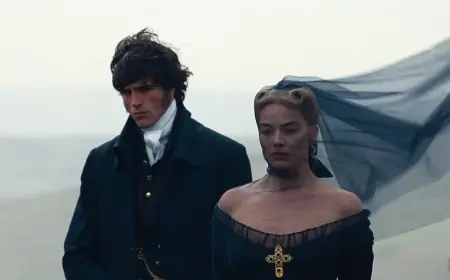
Performances lean into that contrast. The actress portraying Carolyn emphasizes the subject’s famously restrained style—an aesthetic that helped create her public mystique—while the actor playing John brings forward the legacy he carried as a presidential son, a magazine founder and a man whose private struggles were often public. The storytelling choice to open on the couple’s final hours and then move backward underlines the series’ elegiac tone: this is a show conscious of how tragedy reframes even the smallest domestic moments.
Style, scrutiny and the cultural afterlife
One persistent through-line is fashion as identity and armor. Carolyn’s spare, high-contrast wardrobe—crisp shirts, long coats, clean silhouettes—became shorthand for a certain 1990s refined minimalism that has been rebranded in recent years as “quiet luxury. ” The series leans into that visual language while also showing how style fed public fascination and speculation about character and temperament.
At the same time the show examines how fame distorted normal rhythms: a celebrity courtship that made a private relationship public property, and a couple that was alternately idealized and caricatured. The depiction of magazine shoots, tabloid frames and the social circuits of Manhattan reinforces how little of the pair’s inner life could escape external narrative pressures.
Backlash, ethics and the question of ownership
The project has not been free of controversy. Family members and fans have voiced objections to dramatizing a tragedy that remains raw in cultural memory. Early production images prompted debate about costume and casting choices—down to hair color and even footwear—underscoring how fiercely devoted some viewers remain to the couple’s visual record. A prominent relative publicly accused the showrunner of profiting from a family tragedy, and the exchange that followed on a podcast intensified criticism, casting the series as part of a broader debate over who may profit from personal loss.
Those objections feed into larger ethical questions: what responsibility do dramatists have when they recreate very recent grief? Whose memories get priority when a public figure’s life is retold? The series is explicitly inspired by a recent biography of Carolyn, and that source material guides its choices; even so, the pushback illustrates how adaptations of public lives can reopen private wounds.
For viewers drawn to glossy period detail, the show supplies familiar pleasures—clothing, set design and the particular cadence of 1990s Manhattan. For others, the appeal will hinge on whether the dramatization adds empathy and new insight rather than merely repackaging myth. Either way, the series has revived questions about fame, memory and the costs of living in full view.