






















New Feature Reexamines Jackie Kennedy’s Final Days and Enduring Legacy

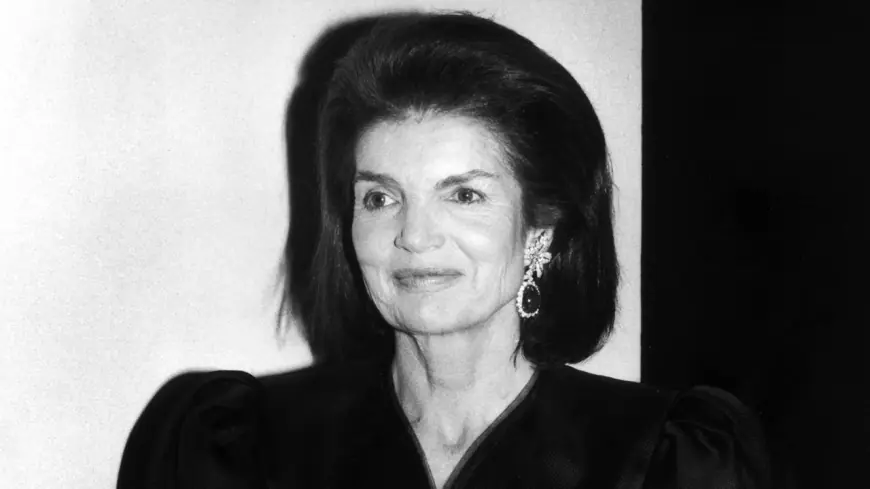
A new feature has prompted renewed attention on the final years of Jackie Kennedy, peeling back layers of public myth to examine the private routines, personal losses and quiet pursuits that marked the end of her life. The piece frames her last chapter with a mixture of archival detail and recollection, prompting discussion about how the former first lady managed fame, grief and family away from the spotlight.
Private routines and public distance
The feature offers a portrait of a woman who guarded her privacy while remaining an inevitable public figure. In the years after her marriage to a famed editor and her time in the White House, she is shown as increasingly selective about what she shared with the public and who she permitted into her inner circle. Quiet habits, artistic interests and loyal friendships emerge as central to her daily life, providing a counterpoint to the image many remember from the 1960s.
While details about specific medical matters and intimate conversations remain closely held by family and estate representatives, the overall impression is of someone who used routine and a carefully curated social circle to manage the pressures that came with an unmistakable historical role. The piece suggests that privacy was not merely a preference but an assertion of control over her own narrative.
Reframing memory: grief, family and cultural resonance
The feature also revisits how grief and family obligations shaped her later years. It highlights the ways she navigated personal loss alongside public commemoration, balancing the responsibilities of a mother and wife with the persistent public fascination that followed her chronically. Contributors in the piece reflect on gestures large and small that demonstrated a focus on family continuity and preservation of memory.
Beyond the personal, the story explores how her image continued to influence fashion, publishing and historical memory. References to cultural touchstones are used to place her final years within a broader tapestry of American life in the late 20th century, suggesting that her influence extended well beyond ceremonial moments to affect literary, social and aesthetic conversations that persisted decades after her time in the White House.
What the revisitation means now
For historians and the public alike, the renewed attention offers an opportunity to reassess the narrative arc of jackie kennedy's life. The feature encourages readers to consider how memory is constructed and the role of newly surfaced recollections and archival material in reshaping long-held impressions. It also raises questions about the ethics of storytelling when dealing with private lives that intersect with public history.
Reaction among scholars, biographers and those who continue to study presidential families underscores a persistent appetite for nuanced portraits rather than simplified iconography. The piece is likely to spur fresh research and public interest in the decisions made by caretakers of archival material and the ways private recollections are woven into public narratives.
Ultimately, the revisitation does not aim to settle the debate over a contested public figure, but to complicate the story—reminding readers that the last years of a life can be as revealing and instructive as its most famous moments.