
























Lunar New Year 2026 live: Year of the Fire Horse ushers in travel, food and new rituals

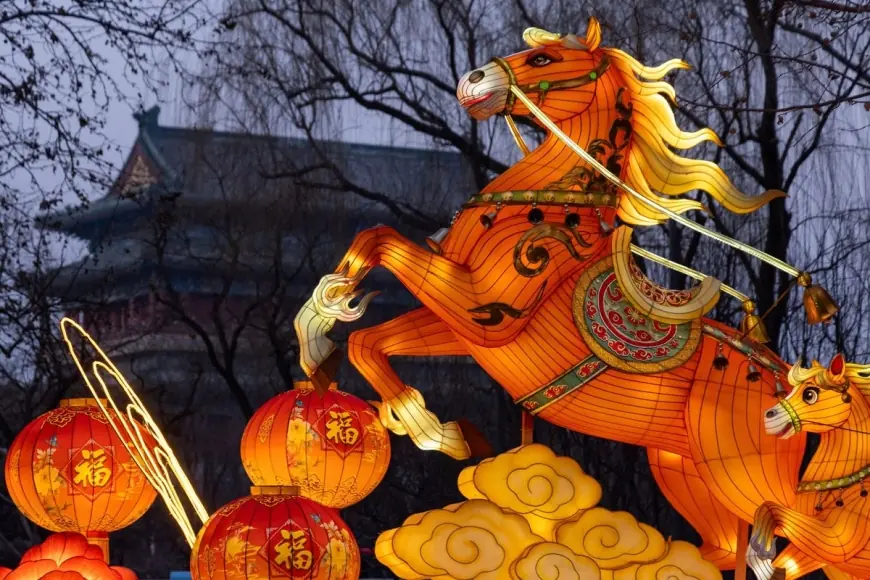
From Beijing to Bangkok, millions began marking the Lunar New Year as communities welcomed the Year of the Fire Horse. The holiday coincides with the first new moon of the lunar calendar and is celebrated with a 15-day festival observed between January 21 and February 20 each year. This year the new moon falls on February 17, 2026 (ET), setting off a wave of travel, traditional feasts and evolving customs across East and Southeast Asia.
Markets, food and packed transport hubs
Streets and markets are dense with shoppers and revellers. Red envelopes are exchanged, noodles are cooked and communal dishes are shared as families mark the start of the cycle. Food remains central: in parts of Malaysia and Singapore, yusheng—a raw fish salad—is tossed by everyone at the table with chopsticks before it can be eaten. In South Korea, tins of luncheon meat have become a surprisingly popular New Year gift, while in the Philippines’ Binondo district long-established stalls attract crowds hunting for dumplings, toasted pork buns and beef noodles that reflect the city’s layered culinary history.
Transport terminals and major stations are crowded as people journey home or set off on holiday visits. Many travellers said they planned brief stays with relatives, preferring short reunions to extended visits. The festival’s rhythms—street lion dances, market specials and family banquets—remain intact even as the scale of movement grows year-on-year during the holiday period.
Generational tensions and changing rites
For some younger adults, the festival is a source of strain as much as celebration. A number of people described family gatherings as opportunities for unwanted questioning about careers, relationships and finances. One woman, Zhang Yunxi, said she spent New Year’s Eve at a hotel near the airport and booked a last-minute flight back from her parents’ home after a career-related argument. "I no longer understand the concept of family reunion, " she said. "This isn't a gathering; it's an annual humiliation. My dignity is thrown to the ground and rubbed against me, left to be judged at will by my closest relatives. "
That sentiment has fed viral online trends, including searches and hashtags like "returning to my rented home during the Spring Festival" and phrases such as "I can't go back. " In several places, rituals are being simplified or skipped: in South Korea more than 60% of people polled said they would not set up the traditional, elaborate charye ancestral tables this year, favoring quieter or abbreviated observances instead. The shift highlights a broader tug-of-war between long-standing practices and the realities of modern life, where mobility, work pressures and changing family structures shape how the holiday is experienced.
Online fervour, superstition and policy currents
Social media has amplified both hope and caution tied to the Fire Horse. Memes and short videos frame the year as a chance for renewal and bold change—language around courage, new beginnings and letting go is widespread. Some younger people have embraced the zodiac as a lens for fresh starts, using the holiday moment to announce life changes or cast off lingering frustrations.
At the same time, some governments have tightened online content rules during the holiday period. One set of enforcement efforts this year has targeted posts that promote the virtue of not having children, part of a wider push against what authorities classify as antisocial content. The policy emphasis intersects with personal choices young people are making about family life and fertility, and adds another dimension to the public conversation unfolding during the festivities.
As celebrations continue across cities and neighbourhoods, the 15-day festival will alternate between reunion dinners and quieter moments—street parades and domestic negotiations—highlighting the complicated mix of tradition and transformation that defines the Lunar New Year in 2026.