

























Pam Bondi Faces Bipartisan Backlash After Volatile Hearing and Mishandled Epstein Files

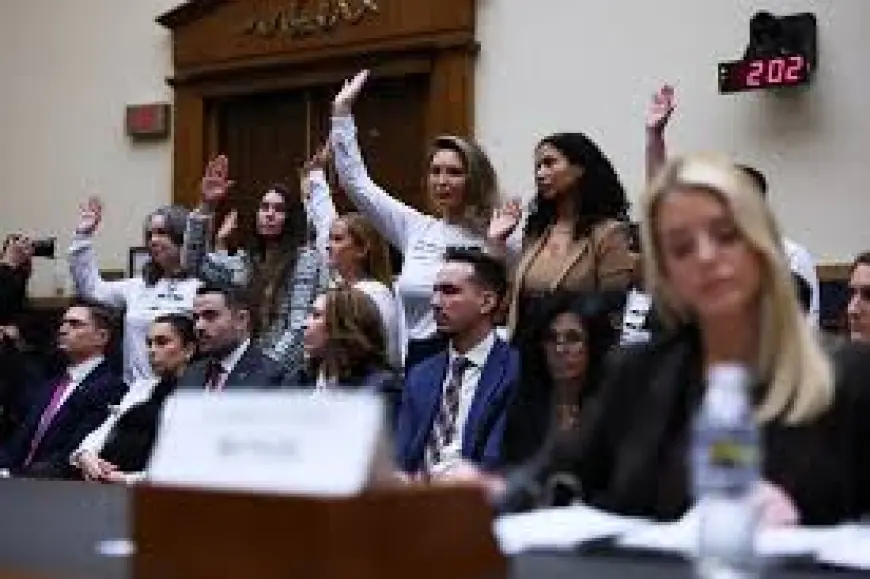
Attorney General Pam Bondi drew fierce criticism this week following a House Judiciary Committee hearing that thrust survivors of Jeffrey Epstein into the spotlight while exposing deep flaws in the Justice Department’s handling of sensitive documents. The hearing combined combative rhetoric from the attorney general with revelations that unredacted material, including intimate images, was posted to a government website — renewing calls for accountability from lawmakers and victims alike.
Confrontation in the hearing room
The hearing was marked by unusually sharp exchanges and moments that many observers called unbecoming of the nation’s top law enforcement official. Bondi repeatedly declined to apologize to survivors when asked and at times launched personal attacks on committee members, at one point calling the ranking member a “washed-up, loser lawyer. ” She also challenged members across the aisle and demanded an apology for the president from Democrats — a request that did little to defuse tensions.
Survivors who attended the hearing described a grim tableau: women who have spent decades seeking clarity and justice witnessed what they said felt like a performance that minimized their trauma. The attorney general’s demeanor and remarks were interpreted by many as dismissive of the victims’ plight and of the broader ethical failures revealed by the documents’ release.
Data mishandling and the privacy fallout
The Justice Department was ordered to release a trove of files tied to Epstein’s case, with an explicit mandate to protect survivors’ privacy while ensuring transparency. Instead, the department’s rollout was marred by the publication of dozens of unredacted images — some described as nude photos of young women and potentially minors — that should have remained shielded. Survivors condemned the outcome as an egregious breach of trust.
Critics argue that the release showed a dangerous combination of carelessness and poor judgment. What should have been a controlled, victim-sensitive disclosure instead exposed intimate material and forced survivors to relive painful memories in public. The mishandling has prompted urgent questions about the procedures and oversight used to vet sensitive content before public posting.
Redactions, selective protections and political consequences
While the department stumbled on victim protections, it has also been criticized for aggressively redacting other portions of the files. Lawmakers who reviewed the materials say a large share remains concealed, including names tied to the wealthy and well-connected. That apparent disparity — extensive concealment of some identities alongside catastrophic failures to hide victims’ images — has fueled allegations that the release was selectively executed to shield powerful figures while further exposing survivors.
The fallout is sharpening calls for accountability. Lawmakers from both parties pressed for explanations at the hearing and signaled potential follow-up measures to ensure better safeguards in future disclosures. Advocacy groups for survivors and legal experts are urging reviews of the department’s protocols and have suggested independent oversight to assess how such a failure could occur.
Bondi’s conduct and the department’s missteps have created political turbulence that will not dissipate quickly. For survivors, the episode represents another painful chapter in a long search for justice; for lawmakers, it underscores persistent tensions between public transparency and the duty to protect vulnerable individuals. Critics say pam bondi's handling of the case — from delay to the botched release — will keep scrutiny focused on the Justice Department until clear reforms and accountability measures are produced.