























Ramadan 2026: Fasting hours, moon sighting and preparations ahead of the holy month

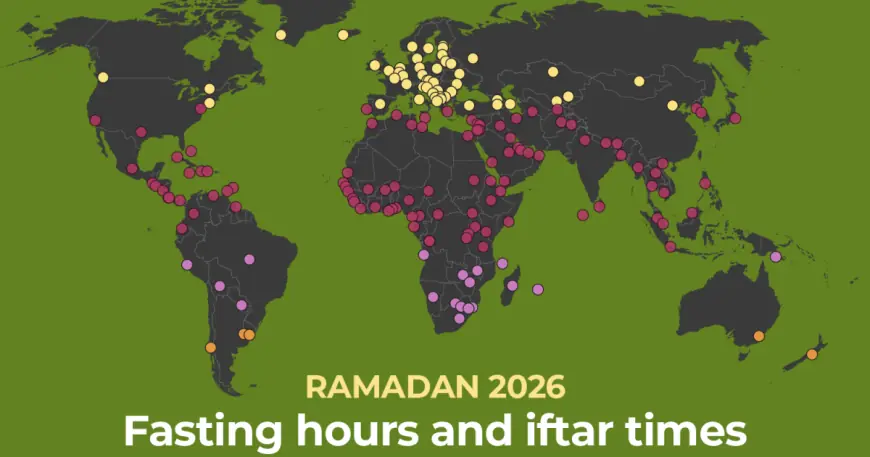
The Muslim holy month of Ramadan is expected to begin on February 18 or 19, 2026, depending on the sighting of the new crescent moon. Communities worldwide are preparing for a month of fasting, prayer and communal observance; the length of daily fasts will vary significantly by location, ranging from roughly 11. 5 to 15. 5 hours on the opening day.
When Ramadan will start and how the moon sighting works
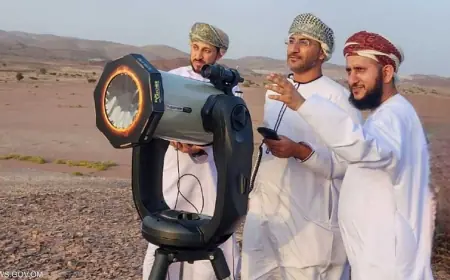
Ramadan’s start hinges on the traditional crescent sighting at the end of the lunar month. Astronomical calculations show the new lunar crescent will be born immediately after conjunction at 7: 02 AM ET on Tuesday, February 17, 2026. Local committees and sighting groups plan to observe the western horizon that evening to determine whether the month will officially commence on Wednesday, February 18, or on Thursday, February 19.
Several national and local committees will convene on the evening of February 17 in their respective time zones to review reports of any sightings. In one Gulf capital, a committee is scheduled to meet at 6: 00 PM local time on February 17, which is 9: 00 AM ET, to consider eyewitness accounts and decide whether to declare the start of Ramadan.
The method of determining the start of the month varies. Some communities rely on direct naked-eye observations and public testimonies; others use astronomical calculations to set the date in advance. Those variations are likely to produce one- or two-day differences in start dates between countries and local Muslim communities.
How long will people fast? Regional differences explained
Fasting during Ramadan means refraining from food, drink, smoking and sexual relations from dawn until sunset. The dawn-to-dusk fast this year will last anywhere from about 11. 5 to 15. 5 hours depending on latitude and local sunrise-sunset times.
For nearly 90 percent of the world’s population living in the Northern Hemisphere, fasting hours will be shorter this year than they were a year ago. On the first day of Ramadan, many in northern locales can expect fasts of roughly 12 to 13 hours; those daylight periods will gradually lengthen as the month progresses. By contrast, communities south of the equator in places such as Chile, New Zealand and South Africa will face some of the longer fasts, with opening-day durations near 14 to 15 hours, though those hours will shorten over the month as the seasons change.
Because the Islamic calendar is lunar, Ramadan shifts earlier by about 10 to 12 days each solar year. That cycle means the month traverses different seasons over a 33-year period; as a result, fasting burdens and daylight lengths swing with the calendar. In an unusual quirk of the calendar system, the lunar-year difference will produce two Ramadans in 2030: one beginning in early January and another late in December.
Practical preparations and communal support
Mosques, community centres, workplaces and educational institutions are already planning accommodations for observers. Many workplaces will offer flexible schedules, prayer breaks and designated quiet spaces for worship. Universities and employers have emphasised understanding and cooperation as fasting staff and students balance spiritual duties with professional and academic responsibilities.
Common greetings for the month—such as wishes for a blessed or generous Ramadan—are already being exchanged in homes and communities. Local health advisories and religious authorities have also encouraged practical guidance for suhoor (pre-dawn meals) and iftar (breaking the fast) to help observers maintain energy and hydration safely during long days.
With the crescent sighting imminent, organizers and worshippers are preparing both spiritually and logistically. Whether communities begin on February 18 or 19, the month will be observed with a mix of long-standing tradition, modern planning and local adaptation to daylight realities around the globe.