


















Ranking MLB Farm Systems: Brewers to Padres Analysis

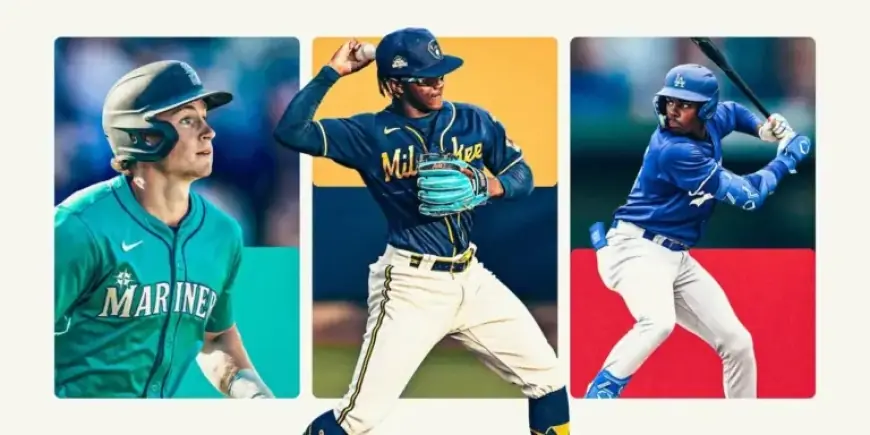
The landscape of Major League Baseball (MLB) farm systems is ever-evolving, with various teams showcasing strengths and weaknesses in their prospect pools. The following analysis ranks each MLB team based on the strength and depth of their farm systems, specifically focusing on the tiered structure of these prospects.
MLB Farm Systems Ranking: Brewers to Padres
Tier 1: Elite Contenders
The Milwaukee Brewers lead the rankings with a strong farm system, bolstered by strategic trades that increased their top 100 prospects from four to six. They excel in player development, turning lower-profile talents like Cooper Pratt and Logan Henderson into potential major-leaguers. Under baseball operations executive Matt Arnold, the Brewers have developed a cohesive player development strategy, positioning them to remain competitive over the next several years.
Following closely are the Los Angeles Dodgers, who have a reputation for outstanding hitter development. Their successful acquisition and enhancement of players, such as Kendall George, reflect their emphasis on scouting and individual player development.
Tier 2: Promising Futures
The Pittsburgh Pirates offer a glimpse of hope with the No. 1 overall prospect in baseball, Paul Skenes, and a robust collection of prospects that hint at future impact. Their prospect pool has transitioned from historically underwhelming to one filled with high potential.
The Cleveland Guardians showcase a solid number of depth prospects, fostering a strong combination of position players and pitchers. Yearly drafts have provided the team with a fresh influx of talent, ensuring they remain competitive.
Tier 3: Unlocked Potential
The Detroit Tigers are heavily reliant on a few elite prospects, with several ranked among the top 20. Their focus remains on player health to maximize their potential return.
Chicago’s prospects, while notable, have faced challenges through graduations. However, the team is optimistic due to its solid draft outcomes in recent years.
Tier 4: Mid-Level Contributors
The New York Mets boast a consistent record in drafting and developing pitchers, but their system lacks the upper-tier elites needed to leap higher in the rankings. Meanwhile, the San Francisco Giants benefit from a deep pool of prospects, delivering both high-ceiling talents and reliable role players.
Tier 5: Emerging Talents
- The Tampa Bay Rays are dependent on their minor-league prospects developing into above-average players, even as they lack top-tier talent.
- The Cincinnati Reds enjoy solid progress in their drafting but are seeing mixed results from their top picks.
Tier 6: Underperforming Systems
The Miami Marlins have struggled due to past drafts, but new management is adopting progressive development techniques to revitalize their system. The Oakland Athletics have seen a slight resurgence with a few prospects on the top 100, but significant challenges remain.
Tier 7: Weak Foundations
The Atlanta Braves’ aggressive promotion strategy has diluted their talent pool, presenting difficulties in maintaining a robust system. The Houston Astros are focusing on ensuring a more balanced prospect base, as their recent drafts explore greater player diversity.
Tier 8: Rebuilding Challenges
The Los Angeles Angels are struggling with player development after losing numerous prospects to trades. Their farm system is populated by low-risk players, with recent drafts lacking the expected impact.
Overall, the analysis of MLB farm systems reveals dynamic shifts among franchises. Teams like the Brewers and Dodgers have established themselves as leaders, while other organizations may need to recalibrate their strategies to keep pace with the evolving baseball landscape.