























Cheerios Recalled: What Shoppers Need to Know About the Multi-Product Contamination Notice

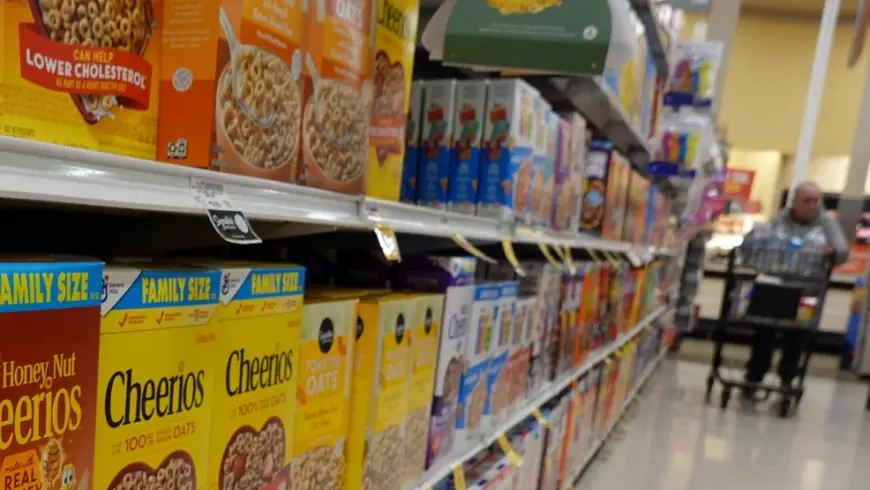
Searches for “cheerios recalled” spiked this week after a broad, multi-product recall notice listed certain Cheerios items among thousands of goods pulled from distribution over concerns tied to unsanitary storage conditions. The action is not a blanket, nationwide Cheerios recall across every format. Instead, the listing centers on specific products distributed through a regional supply chain, with only certain package types and codes affected.
Gold Star Distribution, Inc. issued the recall after a federal inspection linked products stored at its Minneapolis-area facility to potential exposure from rodent and bird contamination. The notice covers a wide variety of items across categories, which is part of why the Cheerios mention has created confusion for shoppers trying to figure out what, if anything, in their pantry is impacted.
Further specifics were not immediately available.
Which Cheerios products are actually included
The recall list includes single-serve Cheerios items typically sold as cereal cups packaged in multi-count trays, rather than standard family-size boxes on national shelves. Two Cheerios entries that appear on the affected list are:
-
Cup Cheerios Cereal, 6-count
-
Cup Honey Nut Cheerios, 6-count
Consumers who want to check quickly should look for UPC-style barcode numbers on the outer packaging and compare them with the codes referenced in the recall materials. On the affected list, the Cheerios cup multipacks are associated with UPCs that include 016000141599 for Cup Cheerios Cereal and 016000141551 for Cup Honey Nut Cheerios.
Key terms have not been disclosed publicly about the total number of Cheerios units involved.
Why this recall happened and what “Class II” means in practice
The contamination concern did not originate from a new ingredient issue inside Cheerios itself. The trigger was an inspection that found unsanitary conditions at a distribution facility, including evidence of rodent and bird contamination that could result in products being exposed to contaminated surfaces or airborne particles.
In the recall classification system, a “Class II” designation generally indicates a situation where use of the product may cause temporary or medically reversible adverse health consequences, or where the probability of serious harm is considered remote. The reason the classification matters is that it helps consumers and retailers understand the urgency level and the likely scope of follow-up actions, such as removal from shelves, returns, and disposal guidance.
A full public timeline has not been released beyond the key dates already posted for the recall’s initiation and classification.
How recall verification works for shoppers and retailers
Product recalls usually come down to identifiers, not brand names alone. A recall notice typically specifies a product description plus one or more of the following: UPC, SKU, lot code, best-by date, pack size, and sometimes a distribution region. If your product matches the brand but not the identifiers, it may not be part of the recall.
This is especially important in cases like this one, where a distributor recall can capture a narrow slice of a brand’s product formats, often tied to a specific packaging type and where it moved through the supply chain. A cereal sold in cups through certain channels may be listed while traditional boxes manufactured and shipped through other routes are unaffected.
For retailers, the mechanism is similar but faster: distribution records and inventory systems are used to flag affected barcodes, then store-level pulls and returns happen in batches. For consumers, the fastest path is to check the barcode and any printed packaging codes before deciding whether an item is impacted.
Who is affected and what to do if you have the product
Two groups are most directly affected: shoppers in the distribution footprint and the stores that stocked the items. Consumers in Indiana, Minnesota, and North Dakota are the primary audience for this recall because that is where the affected goods were distributed. Retailers and distributors in those states face the operational burden of pulling product, processing refunds, and ensuring recalled items are not resold.
A third group has heightened stakes: households with young children, older adults, pregnant people, and anyone with a compromised immune system. While the recall classification suggests the risk of severe outcomes is low, those groups are often advised to be more cautious with any product tied to contamination concerns.
If you believe you have one of the affected Cheerios cup multipacks:
-
Do not consume it.
-
Check the outer packaging barcode and any printed codes to confirm whether it matches the listed identifiers.
-
Follow the recall guidance to dispose of the product or seek a refund through the store where it was purchased.
Some specifics have not been publicly clarified about the complete retailer list and how widely individual items were stocked store-to-store.
In the days ahead, the next clear milestone will be any updated recall notice that expands, narrows, or closes out the action after follow-up verification steps and facility oversight decisions are completed.