





















CAF hands out bans and seven-figure penalties after chaotic AFCON final

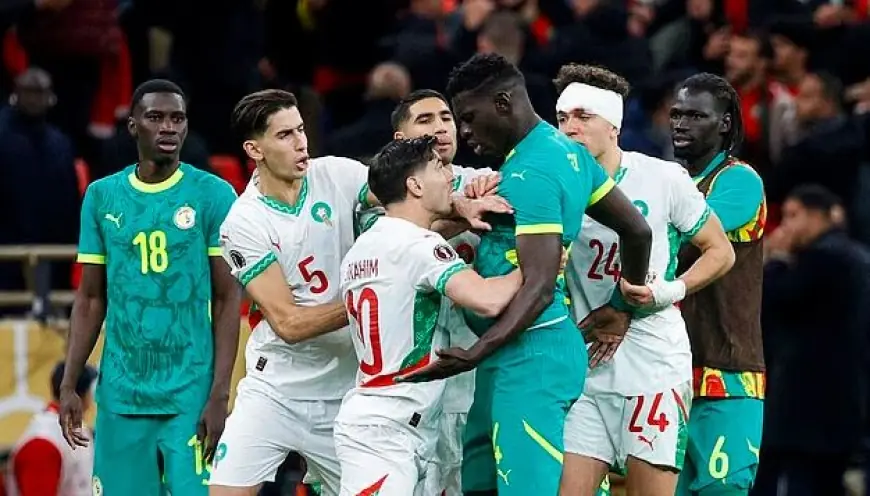
CAF moved swiftly to close the book on a turbulent Africa Cup of Nations championship night, issuing a wave of suspensions and fines tied to the final between Senegal and Morocco. The disciplinary action, announced Thursday, Jan. 29, 2026 (ET), targets coaches, players, and national federations after a match that featured prolonged stoppages, sideline confrontations, and crowd-related flashpoints.
The decision lands at a sensitive moment for African football, with CAF seeking to protect the credibility of its flagship tournament while also pushing growth in sponsorship, digital reach, and global relevance. Further specifics were not immediately available, including whether any of the sanctioned parties plan to appeal.
What happened in the final and why CAF stepped in
Senegal beat host Morocco 1-0 after extra time in a final played in Rabat on Sunday, Jan. 18, 2026 (ET). The night spiraled when a late refereeing decision triggered protests and a temporary walk-off, halting play for roughly 15 minutes before the match resumed. Tensions spilled into multiple touchline and tunnel moments, and stadium behavior became a second storyline alongside the football.
CAF’s disciplinary rulings reflect two goals at once: punishing conduct it says brought the game into disrepute and signaling that match integrity and on-site order are not optional, even under the pressure of a final. The sanctions also underscore how quickly a single match can produce broad institutional consequences when coaches, players, and supporters all become part of the incident chain.
Some specifics have not been publicly clarified, including a full public timeline of every incident reviewed and which pieces of evidence were weighed most heavily in each ruling.
The headline sanctions: coach ban, federation fines, player suspensions
The most prominent individual punishment was a five-match suspension for Senegal coach Pape Thiaw in CAF competitions, paired with a $100,000 fine. CAF said the coach’s actions during the protest sequence crossed disciplinary lines, and the ban applies to CAF-run events rather than global competitions.
CAF also issued heavy financial penalties against both national federations. Senegal’s federation was fined $615,000, while Morocco’s federation was fined $315,000, with additional penalties tied to match operations and behavior around the playing area. CAF also rejected Morocco’s request to overturn the result, keeping the final score intact.
Players from both teams were sanctioned as well. Senegal’s Iliman Ndiaye and Ismaila Sarr received suspensions in CAF competitions, and Morocco’s Achraf Hakimi and Ismael Saibari were also handed multi-match bans. CAF’s message was clear: individual accountability extends beyond the bench, and player conduct toward officials remains a priority enforcement area.
How CAF discipline typically works and why it matters
CAF’s disciplinary system generally follows a familiar sports-governance pathway. Match officials submit reports, competition organizers compile incident documentation, and a disciplinary body reviews evidence against the competition’s regulations and code of conduct. Sanctions can include match bans, fines, stadium restrictions, and federation-level penalties that cover team behavior and crowd control obligations.
In practice, these rulings are meant to do two things: deter repeat behavior and preserve the legitimacy of outcomes. When a final includes stoppages tied to protests, or when crowd and operational issues interfere with play, the reputational damage can extend beyond the teams involved. That is why confederations often lean on large fines and multi-match suspensions: the punishment has to be strong enough to influence future decision-making by federations responsible for security, logistics, and matchday standards.
Who is affected now: teams, fans, officials, and host ambitions
The immediate impact hits Senegal and Morocco first. Coaches and players with CAF bans will miss upcoming continental matches, forcing tactical reshuffles and affecting selection planning. The financial penalties also matter, because federation budgets support everything from youth development and coaching programs to travel logistics and national-team operations.
Referees and match officials are also central stakeholders. Visible backing through enforcement can reduce intimidation and improve working conditions, but only if follow-through is consistent across high-profile matches. Fans and local communities feel it too: stricter security measures, tighter stadium protocols, and potential restrictions on matchday behavior can change the experience of attending games.
Beyond this final, the episode reverberates for African football’s public image. Morocco is set to co-host the 2030 World Cup, and scrutiny around stadium management and crowd control tends to intensify when a country is in the global hosting conversation. CAF, meanwhile, has been emphasizing commercial growth and audience expansion, and disorder at a showpiece event can complicate that narrative even when the football product is strong.
In the days ahead, the next milestone will be whether any sanctioned party files a formal appeal within the window set by CAF regulations, which would trigger an appeals hearing and a potential update to the penalties. Separately, the first CAF competitions where the bans can tangibly change lineups will provide an immediate test of how teams adapt under the new restrictions.