























Bill Belichick Hall of Fame Drama Puts 2026 Voting Rules Under a Microscope

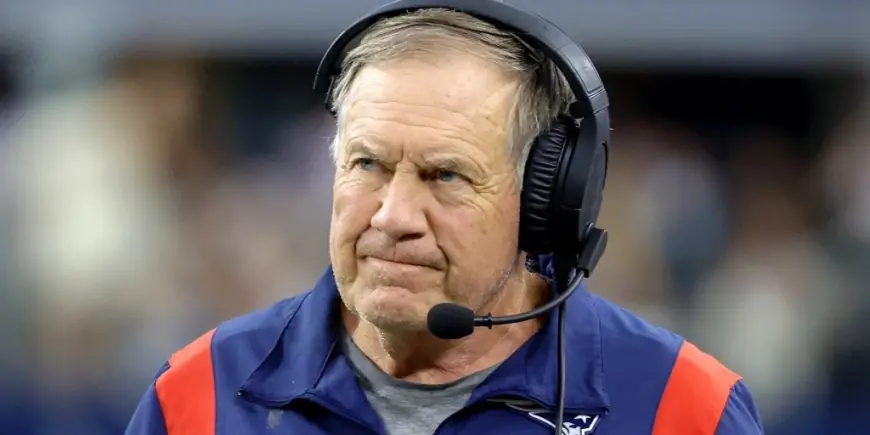
Bill Belichick is at the center of a rare Hall of Fame firestorm after learning he would not be elected on the first ballot for the Pro Football Hall of Fame’s Class of 2026, despite a résumé that includes six Super Bowl titles as an NFL head coach and two more championships as a coordinator. The dispute has quickly shifted from a simple yes-or-no debate into a broader argument about process, penalties for past scandals, and whether the Hall’s newly revised coach eligibility rules are working as intended.
The Hall has not yet publicly announced the full Class of 2026, and individual ballots remain confidential, which has left room for competing interpretations of what happened inside the selection room.
A surprise outcome in Belichick’s first year of eligibility
The core fact driving the uproar is straightforward: Belichick did not reach the threshold needed to be elected this year, meaning he will have to wait at least one more cycle. The result is especially notable because his eligibility was accelerated by a 2024 bylaw change that reduced the waiting period for coaches from five seasons out of the game to one season, making Belichick eligible for the 2026 class far earlier than previously expected.
Belichick’s case also landed in a crowded corner of the ballot. He was the designated coach finalist, competing alongside a contributor finalist and three seniors finalists, with the rules allowing a maximum of three total selections from that combined group in any given year. Further specifics were not immediately available about how close he came to clearing the final voting margin, beyond confirmation that he fell short of the required approval level.
Who votes for the NFL Hall of Fame and why the structure matters
The Pro Football Hall of Fame selection committee can include up to 50 selectors, and every finalist must receive at least 80% approval to be elected. That 80% rule is the reason a small bloc of “no” votes can have outsized impact, particularly when the candidate pool is strong and the ballot is structured to cap the number of honorees.
The process itself is designed as a funnel. The combined Coach, Contributor, and Seniors finalists are voted on as one group first, with selectors able to choose up to three, and each choice still needing 80% approval. Then the Modern-Era players are narrowed through reduction votes from 15 to 10 to seven, after which selectors choose up to five Modern-Era players, again with the same 80% standard.
In practice, that means a voter can believe a candidate is Hall-worthy and still vote “no” in a given year because of slot limits, category tradeoffs, or a desire to prioritize other finalists they view as more time-sensitive. Some specifics have not been publicly clarified, including how many selectors used that kind of “not yet” logic versus voting “no” as a statement about Belichick himself.
Bill Polian, Vahe Gregorian, and the Spygate question
As the backlash grew, attention turned to individual selectors who spoke publicly. One Kansas City-based selector, Vahe Gregorian, identified himself as someone who did not vote for Belichick this cycle and argued that the structure of the ballot, not Belichick’s career, drove his decision.
Former longtime NFL executive Bill Polian also became a focal point as speculation swirled that he helped push the idea of making Belichick wait a year because of “Spygate,” the 2007 videotaping scandal that remains a sore point for some voters. Polian has denied advocating a one-year “penance” and has said he voted for Belichick, even as he acknowledged hearing other selectors discuss the idea.
The shadow of “Spygate,” and the later “Deflategate” controversy involving the Patriots, has clearly lingered in the broader conversation. The question for the Hall is whether voters should treat those episodes as disqualifying, as a reason to delay, or as already accounted for within the league’s punishments at the time.
Stakeholder impact and the next milestone for the Class of 2026
The blowback is hitting several groups at once. Fans are confronting a rare moment where the sport’s most decorated modern coach is being treated as a debate topic rather than a formality, and that can erode confidence in the Hall’s consistency. Current and former finalists across the ballot are affected too, because the public focus on Belichick risks overshadowing players and contributors whose windows for recognition feel narrower. Even selection committee members are now under pressure, with growing calls for more transparency about how voters weigh on-field greatness against controversies.
The reaction has spilled across the league’s biggest names. Chiefs quarterback Patrick Mahomes was among the stars who expressed disbelief publicly, while college head coach Deion Sanders also criticized the outcome. Hall of Fame coach Jimmy Johnson went further, saying he plans to skip Hall weekend events in protest, turning the dispute into a larger referendum on how the institution handles generational figures.
Belichick, meanwhile, is no longer in the NFL day to day, but he remains a high-visibility football figure as the head coach at North Carolina, where his second season is approaching. His personal life has also drawn attention over the past year, including public interest in his relationship with girlfriend Jordon Hudson, adding an off-field spotlight to a moment that would otherwise be purely about legacy.
The next clear milestone is the official unveiling of the Pro Football Hall of Fame Class of 2026 during the league’s annual awards event on Thursday, February 5, 2026, in San Francisco, just days before Super Bowl LX on Sunday, February 8, 2026, in the Bay Area. If the reported result holds, Belichick’s candidacy will immediately roll into the 2027 cycle, with the same central question waiting: whether voters see his delay as a one-year technical detour, or as a lasting statement.