
























iOS 26.2.1 lands as Apple’s AirTag 2nd generation arrives, adding longer-range finding and raising the stakes for older iPhones

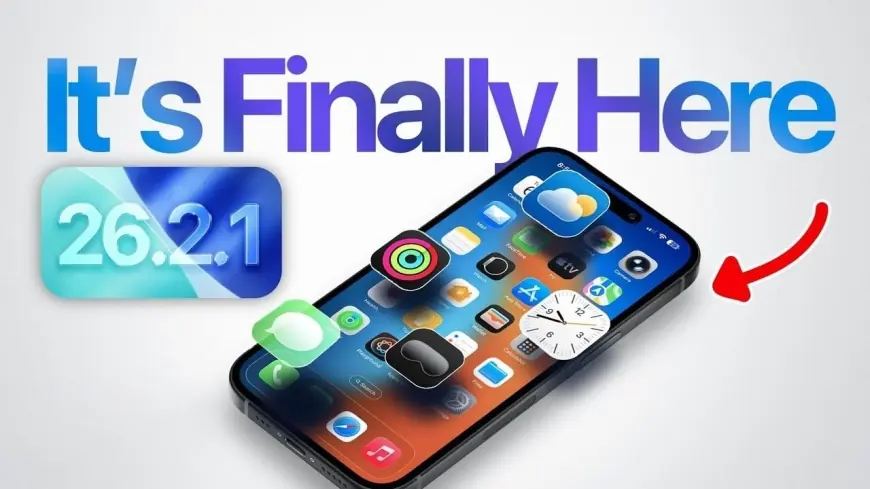
Apple’s latest iPhone software update, iOS 26.2.1, is rolling out this week with a clear headline feature: support for AirTag 2nd generation. The timing is no accident. The update and the new AirTag 2 are designed to work together, with Apple leaning harder into ultra-wideband location finding, louder on-device alerts, and a tighter hardware-and-software pairing that nudges users toward newer devices.
For anyone tracking “Apple iOS 26.2 update,” “iOS 26.2.1,” “AirTag 2,” “new AirTag 2,” or even just “AirTag,” the bigger story is not only what’s new. It’s how Apple is drawing a sharper line between baseline compatibility and best-in-class features.
What happened: iOS 26.2.1 and AirTag 2 launch in tandem
In the last few days, Apple shipped iOS 26.2.1 as a minor update with limited public detail beyond AirTag 2 support and general bug fixes. In parallel, Apple introduced AirTag 2, keeping pricing steady while upgrading the tracking experience with a new ultra-wideband chip and a noticeably louder speaker.
Apple’s earlier iOS 26.2 update, released in mid-December 2025, focused on broader quality-of-life changes, including improvements to music and podcasts experiences and a typical bundle of fixes. iOS 26.2.1 is narrower and more tactical: it exists to make the new tracker work smoothly on day one.
AirTag 2: what’s actually new
AirTag 2 keeps the familiar coin-like design and continues to fit existing accessories, but the internals are the point:
-
Longer Precision Finding range: The new ultra-wideband hardware extends how far away your phone can guide you with directional prompts.
-
Louder built-in speaker: Finding a tag buried in a couch, under a car seat, or inside a bag is meant to be less guesswork and more “follow the sound.”
-
Improved connectivity behavior: Better range and responsiveness aims to reduce the frustrating moments when a tag feels close but still elusive.
Apple is also doubling down on anti-stalking protections. AirTags rotate identifiers, rely on privacy-preserving network design, and surface alerts to reduce unwanted tracking risks. Those safeguards are now a core part of the product story, not a footnote.
The compatibility catch: “works” versus “works best”
The new AirTag 2 requires a device capable of running iOS 26 or later, which effectively narrows the supported iPhone pool compared with earlier AirTags. In practical terms, that means many older iPhones are now outside the “officially supported” experience for the new tracker.
Even among supported phones, there is a second layer: the longest-range Precision Finding experience depends on the newest ultra-wideband hardware. Some users will get the new tag and still see only modest improvements, while owners of newer iPhones will see the biggest leap.
There’s also a watch angle. With the latest watch software update, compatible Apple Watch models can help locate AirTag 2 using Precision Finding-style guidance, reducing the need to pull out an iPhone in certain scenarios.
Behind the headline: why Apple is pushing trackers, updates, and hardware gating now
The incentives line up neatly:
-
Apple wants AirTag to be the default choice for luggage, keys, bikes, and everyday carry items, especially as travel and lost-bag anxiety stays high.
-
AirTag 2 gives Apple a reason to refresh Find My as a feature set, not just a background utility.
-
Hardware-gated “best” features encourage upgrades without changing the sticker price of the tracker itself.
Stakeholders feel it differently:
-
Consumers gain a better finder and a cleaner on-ramp for item tracking, but face more device-version complexity.
-
Airlines and travel partners benefit when customers can share item locations more easily, potentially reducing support burden and disputes.
-
Privacy advocates and regulators watch for how well anti-stalking protections hold up as trackers get more capable.
What we still don’t know
Even with the rollout underway, several questions will shape how this lands:
-
Whether iOS 26.2.1 includes meaningful security changes beyond bug fixes, and if so, when details will be published.
-
How quickly AirTag 2 inventory stabilizes across regions, especially if demand spikes from travelers.
-
Whether Apple will expand watch-based finding to more models or keep it tightly limited to newer hardware.
-
What iOS 26.3 adds next, particularly if Apple continues building around Find My and cross-device tracking workflows.
Second-order effects: the quiet shift toward a more segmented iPhone ecosystem
AirTag 2 is small, but it reinforces a larger pattern: Apple features increasingly arrive in tiers. The baseline experience remains available to a wide group, while the headline experience concentrates in the newest devices. That can raise satisfaction for upgraders, but it also increases frustration for households mixing older and newer iPhones.
It may also accelerate competition in the broader tracker market, as rivals pitch “no-hardware-gates” simplicity to users who feel left behind.
What happens next: realistic scenarios to watch
-
A fast upgrade wave driven by travel season planning
Trigger: users replacing older trackers ahead of major trips and valuing louder alerts plus longer-range finding. -
A backlash over compatibility confusion
Trigger: buyers discovering after purchase that their phone supports the tag but not the best Precision Finding range. -
More Find My features folded into routine iOS point releases
Trigger: iOS 26.3 and later updates adding sharing, recovery tools, or new automations tied to AirTag 2. -
Increased scrutiny of unwanted tracking protections
Trigger: a high-profile misuse case or policy debate that forces Apple to tighten alerts or enforcement.
For now, iOS 26.2.1 and AirTag 2 are a coordinated move: a modest-looking update that quietly powers a more capable tracker, while signaling that the smoothest “new AirTag 2” experience belongs to users on newer iPhone hardware.