
























Understanding 3D Weather: Defining Snow Squalls and Blizzards

In Montana, winter weather presents unique challenges, particularly with phenomena like snow squalls and blizzards. Understanding these conditions can make all the difference for safe travel during the colder months.
Understanding Snow Squalls and Blizzards
Winter storms significantly impact driving conditions. While both snow squalls and blizzards produce dangerous weather, they are defined differently.
Definition of a Blizzard
The National Weather Service (NWS) defines a blizzard as a situation where snow is falling or blowing with wind speeds of at least 35 mph. Visibility drops to a quarter mile or less for a minimum of three hours. Interestingly, blizzard conditions can occur without snowfall. If the wind blows existing snow, it can create a ground blizzard, leading to similar risks.
Characteristics of Snow Squalls
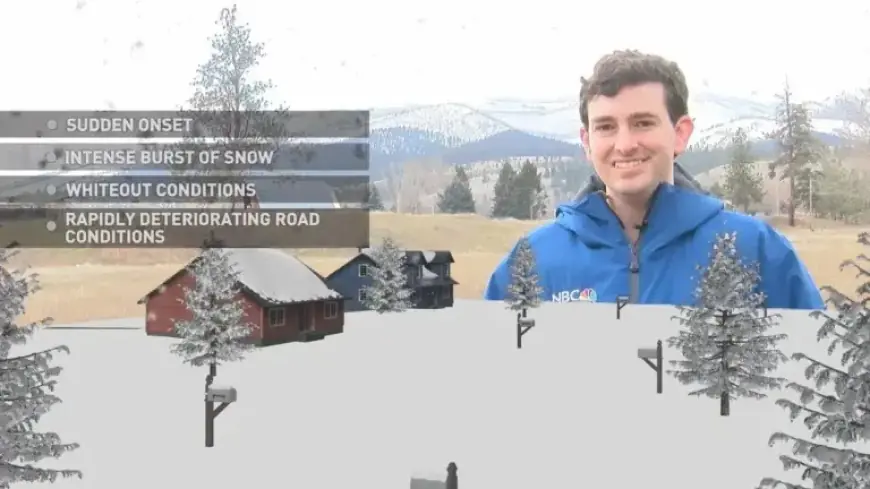
Snow squalls, in contrast, refer to intense but short-lived bursts of snowfall accompanied by strong winds. They can transition quickly from clear weather to severe snow conditions, potentially causing whiteout scenarios. Typically, snow squalls last only about 30 to 60 minutes. They can also lead to rapid ice formation on roadways, making travel particularly hazardous.
Historical Context and Warnings
The term “snow squall” has been in use since 1775. However, it was only in 2018 that the NWS implemented Snow Squall Warnings to alert the public about these life-threatening weather events. These warnings operate similarly to severe thunderstorm or tornado alerts, underscoring their seriousness.
Travel Safety During Winter Storms
- If a Blizzard Warning or Snow Squall Warning is issued, travel is not recommended.
- Stay off the roads to avoid accidents and pileups.
- Should you be driving when a warning is issued, activate your hazard lights and find a safe place to pull over.
On snowy or icy roads, stopping distances can be significantly longer. For example, a car traveling at 40 mph on a dry road needs around 80 feet to stop. This distance increases to approximately 160 feet on snowy surfaces and can extend up to 400 feet on icy roads.
Preparedness for Winter Weather
As winter progresses, the likelihood of encountering snow squalls and blizzards increases. Travelers should stay informed about changing weather conditions and be ready to adjust their plans accordingly. Utilizing weather apps, such as the NBC Montana Weather App, can provide timely alerts for Blizzard and Snow Squall Warnings in your area.